


At a glance
Summary
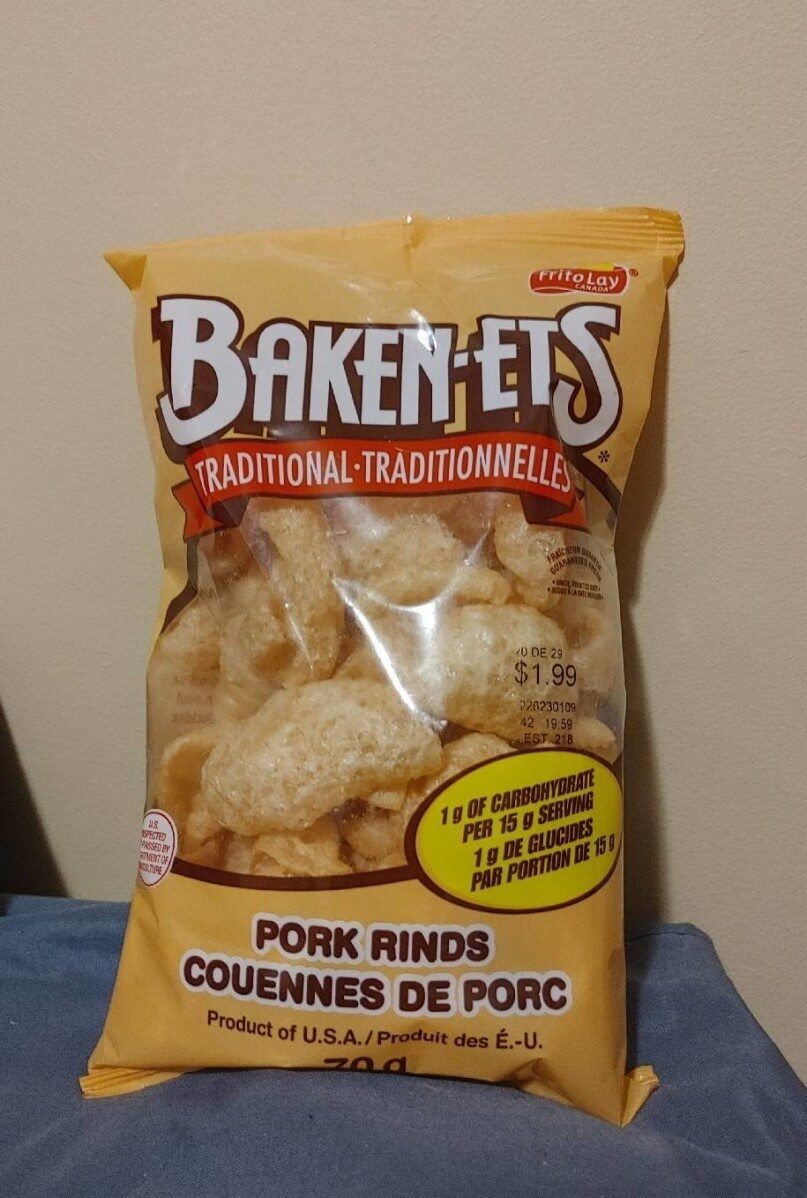
This product consists of pork rinds, lard, and salt, which are relatively simple ingredients with minimal additives. The processing level is moderate, as it involves some processing to achieve the final product form. Despite being processed, the absence of artificial additives or seed oils contributes positively to its score.
Key ingredients 3
Pork RindsNeutral
Pork rinds are a source of protein and fat, often consumed as a snack. They are typically fried or roasted, which can increase their calorie content. While they provide protein, they lack essential nutrients found in less processed meats.
Risks
High in calories and saturated fats, which may contribute to heart disease if consumed in excess.
Benefits
Provides a source of protein and can be a low-carb snack option.
LardNeutral
Lard is a traditional cooking fat derived from pork, known for its high saturated fat content. It is often used in baking and frying due to its high smoke point. While it is a natural fat, it lacks the health benefits of unsaturated fats like olive oil.
Risks
High in saturated fats, which may increase cholesterol levels and risk of heart disease when consumed in large amounts.
Benefits
Provides a stable cooking fat with a high smoke point, suitable for frying and baking.
SaltNeutral
Salt is used as a seasoning and preservative in many foods. It enhances flavor but does not provide nutritional benefits beyond sodium. Excessive consumption can lead to health issues such as hypertension.
Risks
High sodium intake is associated with increased risk of hypertension and cardiovascular disease.
Benefits
Enhances flavor and acts as a preservative in food products.
Processing
Processed Foods
Get the full breakdown in the Scout appTake Scout shopping
Scan any product to see lab results, healthy alternatives, and your personalized analysis.
Download on theApp Store GET IT ONGoogle Play