



At a glance
Summary
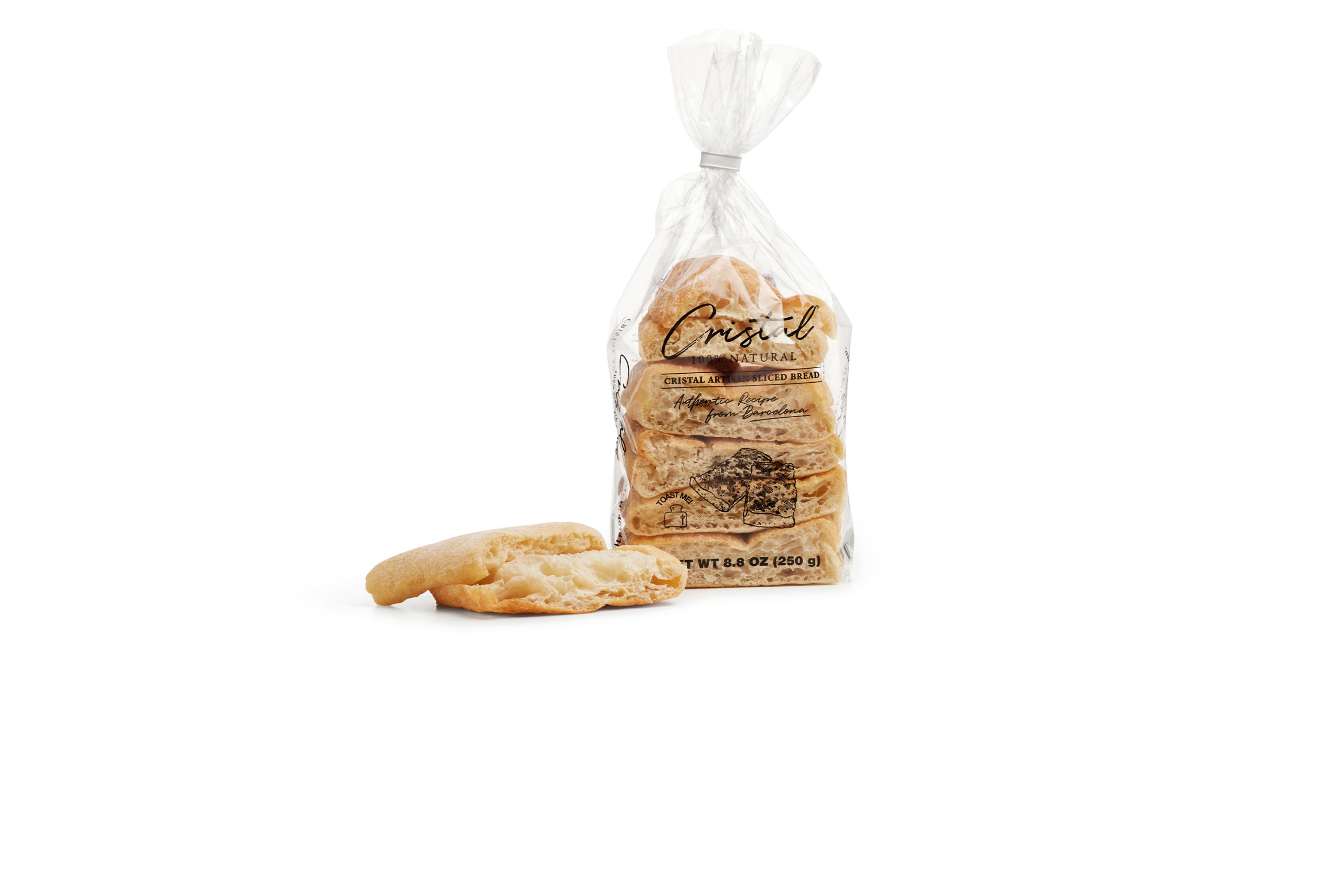
This bread contains a variety of whole grains and seeds, which contribute to its nutritional value and provide fiber and essential nutrients. However, it includes refined sugar, which is a simple carbohydrate that can lead to health issues if consumed in excess. The product is moderately processed, which limits its score despite the presence of beneficial ingredients.
Key ingredients 16
Whole wheat flourGood
Whole wheat flour is made from the entire wheat kernel, retaining all nutrients and fiber. It is a healthier alternative to refined flour. It supports digestive health and provides sustained energy.
Risks
May cause digestive issues for those with gluten intolerance.
Benefits
Rich in fiber and nutrients, supporting digestive health and providing sustained energy.
Grain and seed blendGood
A blend of grains and seeds provides a variety of nutrients and fiber. It enhances the nutritional profile of the product. This blend supports heart health and provides essential fatty acids.
Risks
Potential allergen risk for individuals sensitive to specific grains or seeds.
Benefits
Offers a diverse range of nutrients and supports heart health with essential fatty acids.
Oat flakesGood
Oat flakes are a whole grain rich in fiber and beta-glucans. They help lower cholesterol levels and support heart health. Oats provide a slow release of energy, beneficial for blood sugar control.
Risks
May cause digestive discomfort in some individuals due to high fiber content.
Benefits
Rich in beta-glucans that help lower cholesterol and support heart health.
Cracked wheatGood
Cracked wheat is a whole grain that retains the bran and germ, providing fiber and nutrients. It supports digestive health and provides a nutty flavor. It is a good source of complex carbohydrates.
Risks
May cause digestive issues for those with gluten intolerance.
Benefits
Supports digestive health with its high fiber content and provides complex carbohydrates.
BarleyGood
Barley is a whole grain rich in fiber, vitamins, and minerals. It supports heart health and aids in digestion. Barley provides a nutty flavor and chewy texture to foods.
Risks
Contains gluten, which may be problematic for those with celiac disease.
Benefits
Rich in fiber and nutrients, supporting heart health and aiding digestion.
Sesame seedsGood
Sesame seeds are rich in healthy fats, protein, and minerals like calcium and magnesium. They support bone health and provide antioxidant benefits. Sesame seeds add a nutty flavor and crunch to foods.
Risks
Potential allergen for individuals with sesame seed allergies.
Benefits
Rich in healthy fats and minerals, supporting bone health and providing antioxidants.
Bacterial cultureGood
Bacterial cultures are used in fermentation, enhancing flavor and texture. They can improve gut health by promoting beneficial bacteria. Fermentation can increase the bioavailability of nutrients.
Benefits
Promotes gut health and enhances flavor through fermentation.
WaterNeutral
Water is a basic ingredient used in many food products. It acts as a solvent and helps in mixing ingredients. It has no nutritional value but is essential for hydration.
Benefits
Essential for hydration and helps in the mixing process of ingredients.
Corn semolinaNeutral
Corn semolina is a coarse flour made from corn, providing carbohydrates and some protein. It is less nutritious than whole grains. It adds texture and flavor to baked goods.
Risks
May contribute to blood sugar spikes due to its carbohydrate content.
Benefits
Adds texture and flavor to baked goods, providing carbohydrates for energy.
SaltNeutral
Salt is used to enhance flavor and preserve food. It is essential for various bodily functions but should be consumed in moderation. Excessive intake can lead to health issues like hypertension.
Risks
High sodium intake can contribute to hypertension and cardiovascular issues.
Benefits
Enhances flavor and acts as a preservative in foods.
CornmealNeutral
Cornmeal is a coarse flour made from dried corn, providing carbohydrates and some protein. It is less nutritious than whole grains. It adds texture and flavor to baked goods.
Risks
May contribute to blood sugar spikes due to its carbohydrate content.
Benefits
Adds texture and flavor to baked goods, providing carbohydrates for energy.
VinegarNeutral
Vinegar is used as a preservative and flavor enhancer in foods. It has antimicrobial properties and can aid in digestion. It is a natural product with minimal processing.
Benefits
Acts as a preservative and flavor enhancer with antimicrobial properties.
Rye flourNeutral
Standard formulation ingredient — neither beneficial nor harmful at typical use.
Risks
Contains gluten, which may be problematic for those with celiac disease.
Benefits
Supports digestive health with its high fiber content and provides complex carbohydrates.
Enriched wheat flourBad
Refined grain flour stripped of bran and germ.
Risks
May contribute to blood sugar spikes due to its refined nature.
Benefits
Provides essential vitamins and minerals due to enrichment.
Brown sugarBad
Processed additive flagged under Scout's ingredient doctrine.
Risks
Excessive consumption may lead to weight gain and blood sugar spikes.
Benefits
Adds flavor and moisture to baked goods, enhancing taste.
SugarBad
Refined sugar is a simple carbohydrate that provides quick energy but lacks nutrients. Excessive consumption can lead to health issues like obesity and diabetes. It is used to enhance sweetness in foods.
Risks
High intake can lead to obesity, diabetes, and other metabolic disorders.
Benefits
Provides quick energy but lacks significant nutritional benefits.
Processing
Processed Foods
Get the full breakdown in the Scout appTake Scout shopping
Scan any product to see lab results, healthy alternatives, and your personalized analysis.
Download on theApp Store GET IT ONGoogle Play