
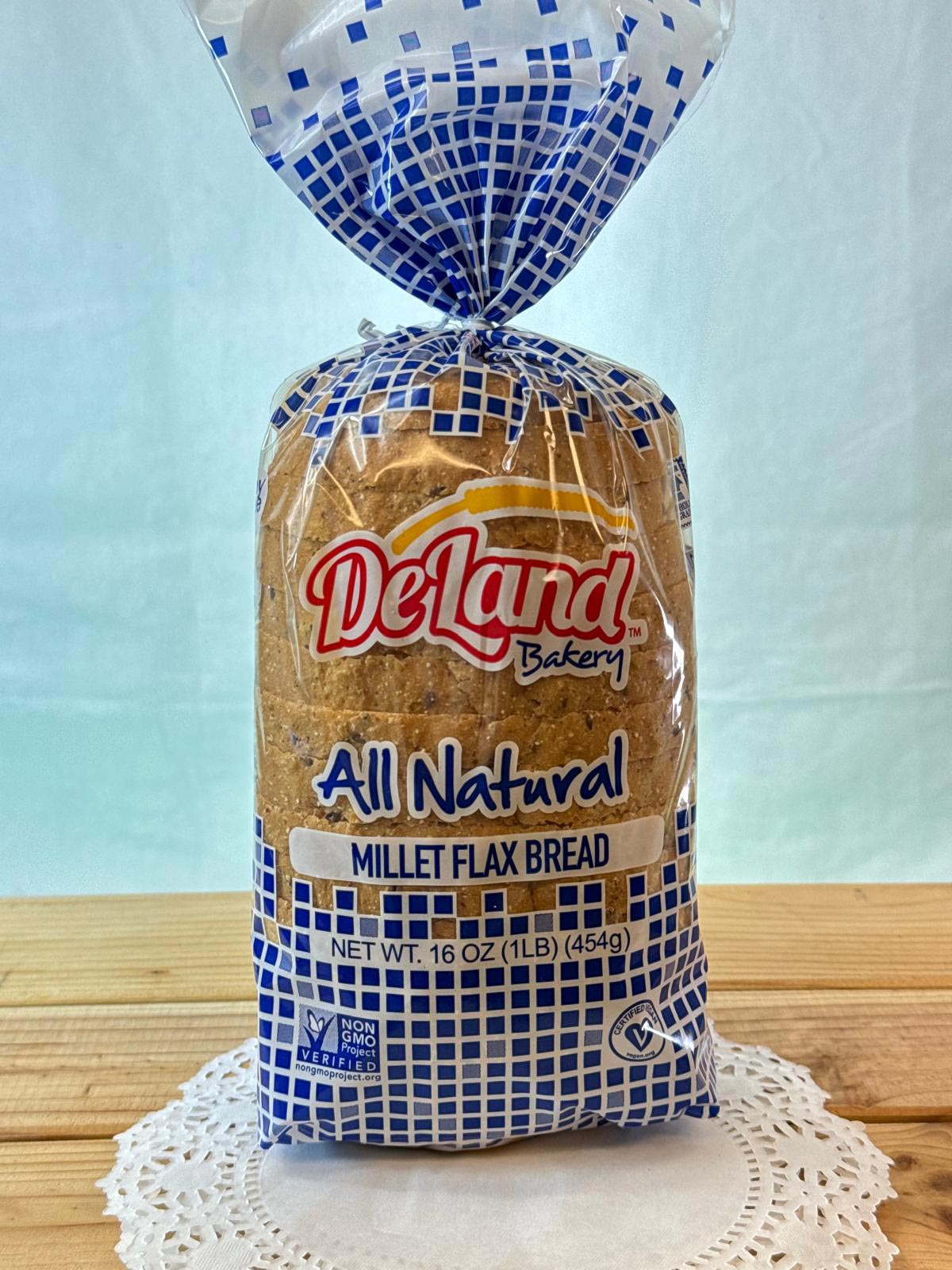


At a glance
Summary
This product contains a variety of beneficial ingredients such as brown rice flour, millet flour, and flax seeds, which contribute to its nutritional value. However, it is classified as ultra-processed due to the presence of xanthan gum and the combination of multiple flours and additives. Despite the use of olive oil and the absence of seed oils, the processing level limits its overall health score.
Key ingredients 19
Flax seed mealVery Good
Flax seed meal is ground flax seeds, rich in omega-3 fatty acids and lignans. It supports heart health and has anti-inflammatory properties. It is also high in fiber, aiding digestion.
Risks
May cause digestive discomfort if consumed in large amounts due to high fiber content.
Benefits
Rich in omega-3 fatty acids and lignans, supporting heart health and reducing inflammation.
Flax seedsVery Good
Flax seeds are a source of omega-3 fatty acids and lignans, which have antioxidant properties. They support cardiovascular health and provide dietary fiber. Whole seeds can be ground to enhance nutrient absorption.
Risks
Whole seeds may pass through the digestive system undigested if not ground.
Benefits
Provide omega-3 fatty acids and lignans, promoting heart health and offering antioxidant benefits.
Olive oilVery Good
Olive oil is a high-quality monounsaturated fat with anti-inflammatory properties. It contains antioxidants that support heart health. Cold-pressed extraction preserves beneficial compounds.
Benefits
Rich in monounsaturated fats that support heart health and provide anti-inflammatory properties. Contains antioxidants like vitamin E and polyphenols that may reduce oxidative stress.
Brown rice flourGood
Brown rice flour is a whole grain flour that retains the bran and germ, providing fiber and nutrients. It is gluten-free and suitable for those with gluten sensitivities. It offers a mild flavor and is a good source of manganese.
Risks
May contain trace amounts of arsenic, which can accumulate with excessive consumption.
Benefits
Provides dietary fiber and essential nutrients like manganese, supporting digestive health and metabolism.
Millet flourGood
Millet flour is a gluten-free grain flour rich in magnesium and phosphorus. It is a good source of protein and fiber, supporting heart health and digestion. Its mild flavor makes it versatile in baking.
Risks
Contains goitrogens that may affect thyroid function if consumed in very large amounts.
Benefits
Rich in magnesium and phosphorus, supporting bone health and energy production.
Gluten-free oat flourGood
Oat flour is made from ground oats and is naturally gluten-free when processed in a gluten-free facility. It is high in beta-glucans, which can help lower cholesterol levels. It provides a good source of fiber and protein.
Risks
Potential cross-contamination with gluten if not certified gluten-free.
Benefits
High in beta-glucans, which support heart health by lowering cholesterol.
Millet seedsGood
Millet seeds are whole grains rich in magnesium and phosphorus. They are gluten-free and provide protein and fiber, supporting heart health and digestion. They have a mild, nutty flavor.
Risks
Contains goitrogens that may affect thyroid function if consumed in very large amounts.
Benefits
Rich in magnesium and phosphorus, supporting bone health and energy production.
EggsGood
Eggs are a high-quality protein source with essential amino acids. They contain vitamins and minerals such as vitamin D and choline. Eggs support muscle health and brain function.
Risks
May cause allergic reactions in some individuals.
Benefits
Provide high-quality protein and essential nutrients like vitamin D and choline, supporting overall health.
Gluten-free whole rolled oatsGood
Whole rolled oats are a whole grain rich in fiber and beta-glucans, which support heart health. They are gluten-free when processed in a gluten-free facility. They provide a good source of protein and essential nutrients.
Risks
Potential cross-contamination with gluten if not certified gluten-free.
Benefits
High in fiber and beta-glucans, supporting heart health and providing sustained energy.
Triple filtered purified waterNeutral
Water is essential for hydration and acts as a solvent in food processing. Triple filtration ensures purity by removing contaminants. It does not contribute nutritional value.
Arrowroot flourNeutral
Arrowroot flour is a starch derived from tropical plants, used as a thickening agent. It is gluten-free and easily digestible. It provides minimal nutritional value beyond carbohydrates.
Benefits
Easily digestible and suitable for gluten-free diets.
Sweet rice flourNeutral
Sweet rice flour is made from glutinous rice and is used for its sticky texture in baking. It is gluten-free but primarily provides carbohydrates. It lacks significant nutritional benefits.
Risks
High in carbohydrates, which may affect blood sugar levels if consumed in excess.
Benefits
Provides a unique sticky texture useful in gluten-free baking.
Tapioca flourNeutral
Tapioca flour is a starch extracted from cassava root, used as a thickener and binder. It is gluten-free and provides a chewy texture. It is low in nutrients and primarily a source of carbohydrates.
Risks
High in carbohydrates, which may affect blood sugar levels if consumed in excess.
Benefits
Provides a chewy texture and is suitable for gluten-free diets.
MolassesNeutral
Molasses is a byproduct of sugar refining, providing a rich source of minerals like iron and calcium. It adds a distinct flavor and color to foods. It is a natural sweetener but should be consumed in moderation.
Risks
High in sugar content, which may affect blood sugar levels if consumed in excess.
Benefits
Provides minerals such as iron and calcium, contributing to nutritional intake.
Agave nectarNeutral
Agave nectar is a natural sweetener derived from the agave plant. It has a lower glycemic index than regular sugar but is high in fructose. It should be used sparingly due to its high fructose content.
Risks
High fructose content may contribute to metabolic issues if consumed in large amounts.
Benefits
Offers a lower glycemic index alternative to regular sugar, providing a sweet flavor with less impact on blood sugar levels.
Xanthan gumNeutral
Fermentation-derived thickener, well tolerated at food-use levels.
Risks
May cause digestive discomfort such as bloating and gas when consumed in large amounts.
Benefits
Provides texture and stability to gluten-free products, improving their consistency.
Active dry yeastNeutral
Active dry yeast is used as a leavening agent in baking, helping dough rise. It is a source of B vitamins and minerals. It contributes to the fermentation process but does not provide significant nutritional benefits.
Benefits
Contributes to the leavening process in baking, providing texture and flavor.
SaltNeutral
Salt is used to enhance flavor and preserve food. It is essential for maintaining fluid balance and nerve function. Excessive consumption can lead to health issues such as hypertension.
Risks
Excessive salt intake can contribute to high blood pressure and cardiovascular issues.
Benefits
Essential for maintaining fluid balance and nerve function.
Rice extractNeutral
Rice extract is used as a natural flavor enhancer and preservative. It is derived from rice and is considered a clean label ingredient. It provides minimal nutritional value.
Benefits
Acts as a natural flavor enhancer and preservative, contributing to product stability.
Processing
Ultra-Processed Foods
Get the full breakdown in the Scout appTake Scout shopping
Scan any product to see lab results, healthy alternatives, and your personalized analysis.
Download on theApp Store GET IT ONGoogle Play