

At a glance
Summary
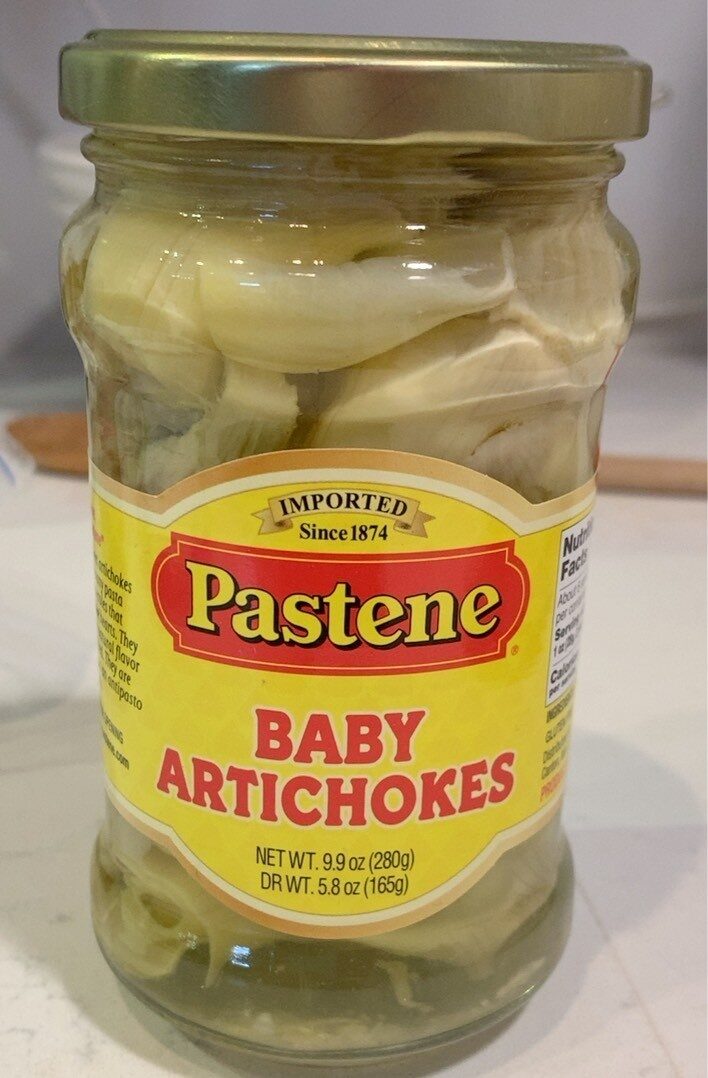
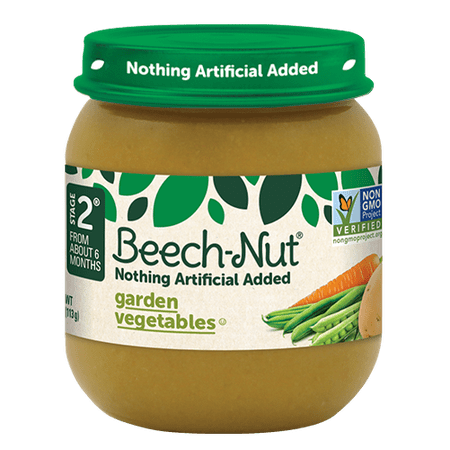
This product consists primarily of artichoke hearts, which are nutrient-dense and minimally processed, retaining most of their natural nutrients. The addition of water, salt, citric acid, and ascorbic acid is typical for preservation and does not introduce harmful additives. However, due to its processing level, the score is capped, despite the clean ingredient list.
Key ingredients 5
Artichoke HeartsGood
Artichoke hearts are a nutrient-dense vegetable rich in fiber, vitamins, and antioxidants. They are minimally processed and retain most of their natural nutrients. Artichokes can support digestive health and provide anti-inflammatory benefits.
Benefits
Rich in fiber and antioxidants, artichokes support digestive health and may reduce inflammation.
Ascorbic AcidGood
Vitamin C — beneficial even when serving as a preservative.
Benefits
Acts as an antioxidant and helps preserve the nutritional quality of food.
WaterNeutral
Water is used as a solvent and carrier in many food products. It is essential for maintaining the texture and moisture of canned goods. Water itself does not provide nutritional benefits but is necessary for hydration.
See more about Water →SaltNeutral
Salt is used to enhance flavor and preserve food. It is a common additive in canned products to maintain taste and shelf life. While necessary in small amounts, excessive salt intake can lead to health issues.
Risks
High sodium intake can contribute to hypertension and cardiovascular disease.
Benefits
Salt enhances flavor and acts as a preservative in food products.
Citric AcidNeutral
Citric acid is a natural preservative and flavor enhancer derived from citrus fruits. It is commonly used to maintain acidity and prevent spoilage in canned goods. Citric acid is generally recognized as safe when consumed in typical food amounts.
Risks
Excessive consumption may cause tooth enamel erosion or gastrointestinal discomfort.
Benefits
Helps preserve food and enhances flavor without significant health risks.
Processing
Processed Foods
Get the full breakdown in the Scout appTake Scout shopping
Scan any product to see lab results, healthy alternatives, and your personalized analysis.
Download on theApp Store GET IT ONGoogle Play