


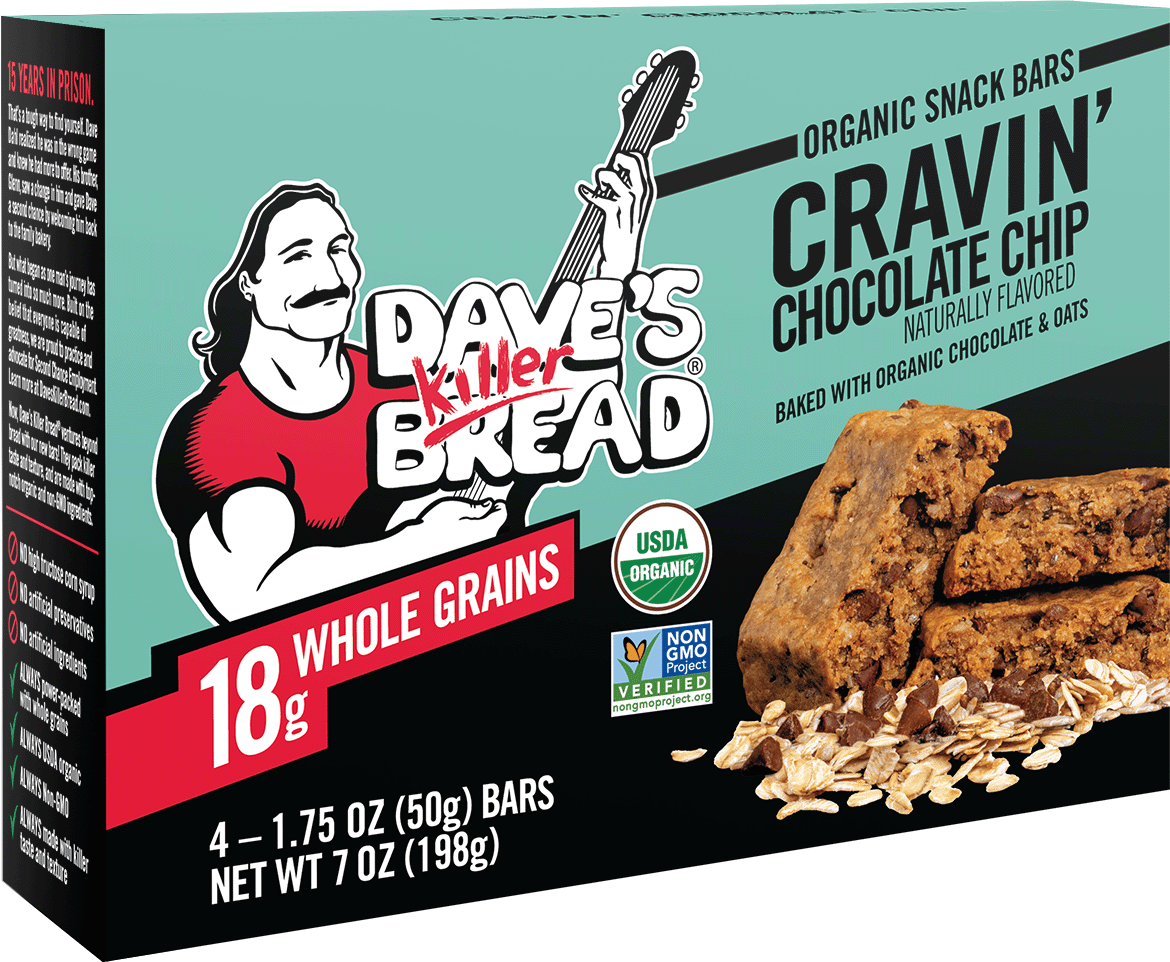
Annie's Organic Chewy Granola Bars Chocolate Chip
Analysis updated June 2026 · How Scout scores
At a glance
Summary
This granola bar contains whole grain oats, which are a nutritious source of fiber and essential nutrients, contributing positively to its health profile. However, the presence of sunflower oil, a seed oil high in omega-6 fatty acids, and refined cane sugar detracts from its overall healthiness. The product is moderately processed, which limits its score despite the use of some beneficial ingredients.
Key ingredients 8
Whole Grain OatsVery Good
Whole grain oats are a nutritious source of fiber and essential nutrients, supporting digestive health.
See more about Whole Grain Oats →Sea SaltGood
Sea salt provides essential minerals and enhances flavor without added chemicals.
See more about Sea Salt →GranolaNeutral
Granola provides a base of grains and fiber, but its overall health impact depends on its specific ingredients and processing.
See more about Granola →Baking SodaNeutral
Baking soda is a common leavening agent used in baking, with minimal nutritional impact.
See more about Baking Soda →Rice CrispNeutral
Rice crisps add texture and crunch, but are generally neutral in nutritional value.
Tapioca SyrupBad
Tapioca syrup is a sweetener that adds sugar content, which can contribute to excess calorie intake.
See more about Tapioca Syrup →Cane SugarBad
Cane sugar is a common sweetener that can lead to increased blood sugar levels when consumed in excess.
See more about Cane Sugar →Sunflower OilVery Bad
Sunflower oil is highly processed and high in omega-6 fatty acids, which may promote inflammation if consumed excessively.
See more about Sunflower Oil →Processing
Processed Foods
Get the full breakdown in the Scout appTake Scout shopping
Scan any product to see lab results, healthy alternatives, and your personalized analysis.
Download on theApp Store GET IT ONGoogle PlayAmazon pricing & content
Amazon price as of . Product prices and availability are accurate as of the date/time indicated and are subject to change. Any price and availability information displayed on Amazon.com at the time of purchase will apply to the purchase of this product.
CERTAIN CONTENT THAT APPEARS ON THIS SITE COMES FROM AMAZON. THIS CONTENT IS PROVIDED “AS IS” AND IS SUBJECT TO CHANGE OR REMOVAL AT ANY TIME.