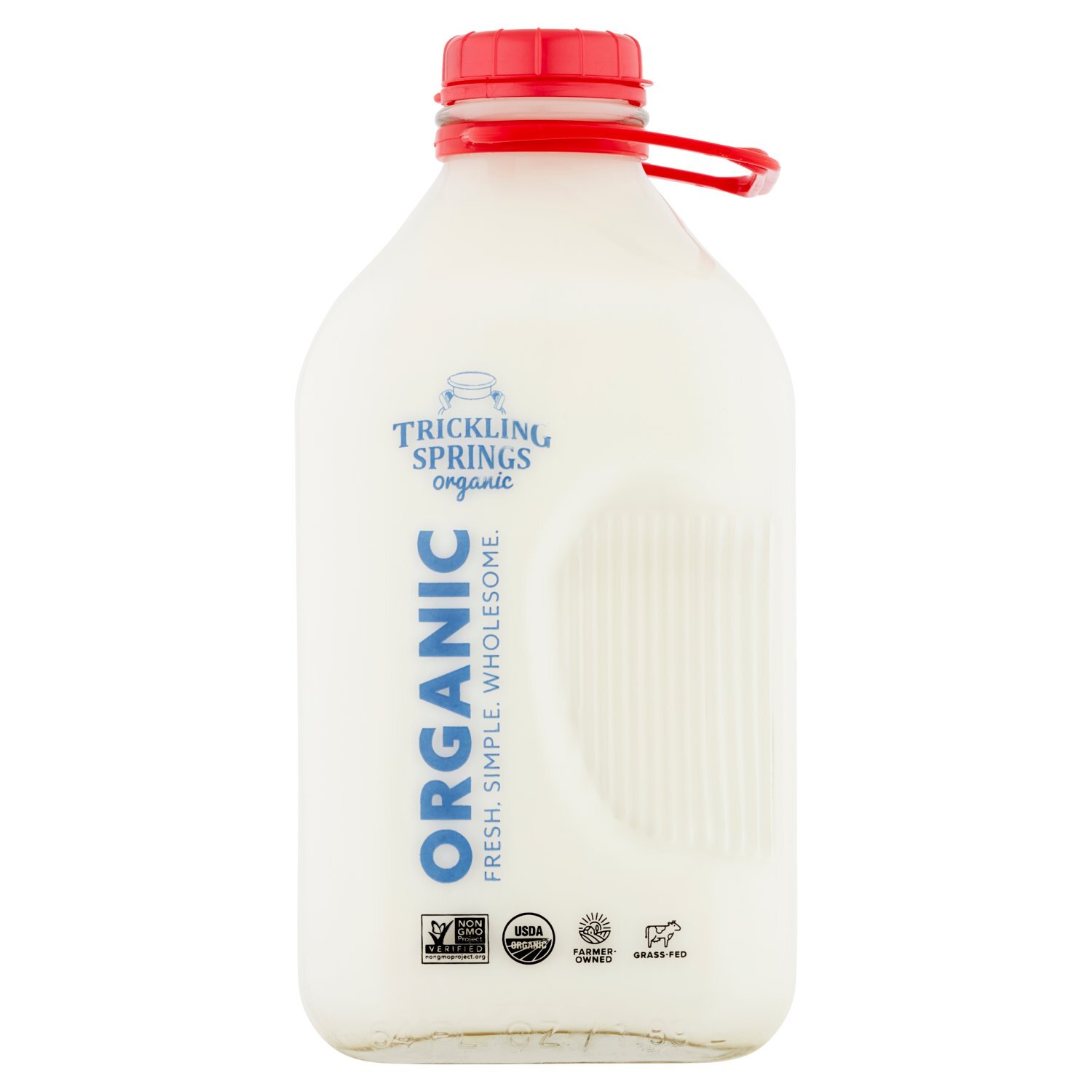
Whole milk

At a glance
Summary
Whole milk is a minimally processed product that retains its natural nutrient profile, providing essential nutrients like calcium, vitamin D, and protein. The addition of Vitamin D3 enhances its nutritional value without introducing any harmful additives. Its low level of processing and absence of artificial ingredients contribute to a high health score. Its plastic packaging can shed microplastics into the food and lowers its score.
Key ingredients 2
Whole MilkGood
Whole milk is a natural source of essential nutrients including calcium, vitamin D, and protein. It is minimally processed, retaining its natural nutrient profile. The fat content supports the absorption of fat-soluble vitamins.
Risks
Some individuals may be lactose intolerant or allergic to milk proteins, which can cause digestive discomfort.
Benefits
Provides a rich source of calcium and vitamin D, which are crucial for bone health. Contains high-quality protein that supports muscle maintenance and growth.
Vitamin D3Good
Beneficial ingredient — whole-food or functional value in this product class.
Benefits
Supports bone health by enhancing calcium absorption. Helps maintain proper immune function and may reduce the risk of certain diseases.
Processing
Unprocessed or Minimally Processed Foods
Get the full breakdown in the Scout appTake Scout shopping
Scan any product to see lab results, healthy alternatives, and your personalized analysis.