

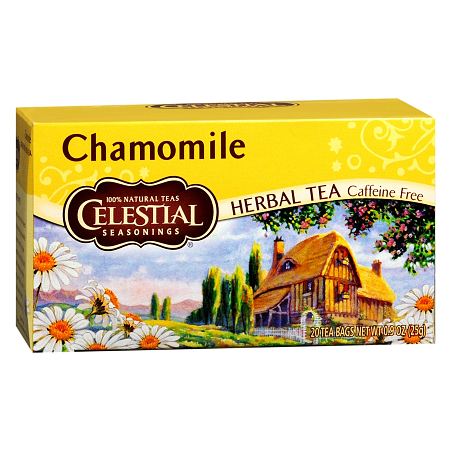


Celestial Seasonings Herbal Tea
Analysis updated September 2026 · How Scout scores
At a glance
Summary
This herbal tea contains beneficial natural ingredients like cinnamon, hibiscus, and chamomile, which offer antioxidant and calming properties. However, the presence of processed additives such as natural cinnamon flavor and soy lecithin contributes to its ultra-processed classification, limiting its score. The use of natural flavors and emulsifiers detracts from the overall ingredient quality, despite the presence of healthful components.
Key ingredients 10
HibiscusVery Good
Hibiscus is rich in antioxidants and has been shown to help lower blood pressure. It is a natural ingredient often used in herbal teas for its tart flavor and health benefits. The quality of hibiscus can enhance the overall nutritional profile of the tea.
Risks
May interact with certain medications, such as those for blood pressure and diabetes.
Benefits
Contains antioxidants and may help lower blood pressure and improve heart health.
CinnamonGood
Cinnamon is known for its antioxidant properties and potential to reduce inflammation. It is often used in traditional medicine for its potential to regulate blood sugar levels. The quality of cinnamon can vary, but it is generally considered a beneficial spice.
Risks
Excessive consumption of cinnamon may lead to liver damage due to coumarin content.
Benefits
Rich in antioxidants and may help in reducing inflammation and regulating blood sugar levels.
ChamomileGood
Chamomile is known for its calming effects and is often used to promote relaxation and sleep. It is a natural herb that can also aid in digestion and reduce inflammation. The quality of chamomile can affect its potency and effectiveness.
Risks
May cause allergic reactions in individuals sensitive to the Asteraceae family.
Benefits
Promotes relaxation, aids in digestion, and has anti-inflammatory properties.
Roasted ChicoryGood
Roasted chicory is often used as a caffeine-free coffee substitute and is rich in inulin, a prebiotic fiber. It can support digestive health and improve gut flora. The roasting process enhances its flavor, making it a popular addition to herbal teas.
Risks
Excessive consumption may cause bloating or gas due to its high fiber content.
Benefits
Supports digestive health and is a source of prebiotic fiber.
Orange PeelGood
Orange peel is rich in vitamin C and other antioxidants, which can support immune health. It adds a natural citrus flavor to teas and can enhance the overall nutritional profile. The quality of the peel can affect its antioxidant content.
Benefits
Rich in vitamin C and antioxidants, supporting immune health.
Roasted CarobNeutral
Roasted carob is often used as a chocolate substitute and is naturally caffeine-free. It contains some vitamins and minerals but is primarily used for flavor. The roasting process enhances its sweetness and flavor profile.
Benefits
Provides a natural sweet flavor without caffeine.
Natural Apple FlavourNeutral
Natural apple flavor is used to impart apple taste without using actual fruit. It is a processed additive and does not provide the nutritional benefits of real apples. The term 'natural flavors' can be vague, as it does not specify the exact source or processing method.
Other Natural FlavorsNeutral
Other natural flavors are used to enhance the overall taste profile of the product. These are processed additives and do not provide nutritional benefits. The term 'natural flavors' is broad and does not specify the exact source or processing method.
Natural Cinnamon FlavourBad
Natural cinnamon flavor is a processed additive used to enhance flavor without using whole spices. It lacks the nutritional benefits of real cinnamon and may contain undisclosed additives. The use of 'natural flavors' can be misleading as it does not specify the exact source or processing method.
Risks
May contain undisclosed additives and lacks the nutritional benefits of whole spices.
Soy LecithinBad
Soy lecithin is used as an emulsifier to improve texture and consistency in food products. It is a processed ingredient derived from soybeans and may contain traces of allergens. While it is not as harmful as seed oils, it is still considered a processed additive.
Risks
May contain traces of allergens and is a processed additive.
Processing
Ultra-Processed Foods
Get the full breakdown in the Scout appTake Scout shopping
Scan any product to see lab results, healthy alternatives, and your personalized analysis.
Download on theApp Store GET IT ONGoogle PlayAmazon pricing & content
Amazon price as of . Product prices and availability are accurate as of the date/time indicated and are subject to change. Any price and availability information displayed on Amazon.com at the time of purchase will apply to the purchase of this product.
CERTAIN CONTENT THAT APPEARS ON THIS SITE COMES FROM AMAZON. THIS CONTENT IS PROVIDED “AS IS” AND IS SUBJECT TO CHANGE OR REMOVAL AT ANY TIME.