
:format(jpg)/d2lnr5mha7bycj.cloudfront.net/product-image/file/large_4dd0cb05-9b18-4332-bf4f-0bf8c3a2b6c4.jpg)


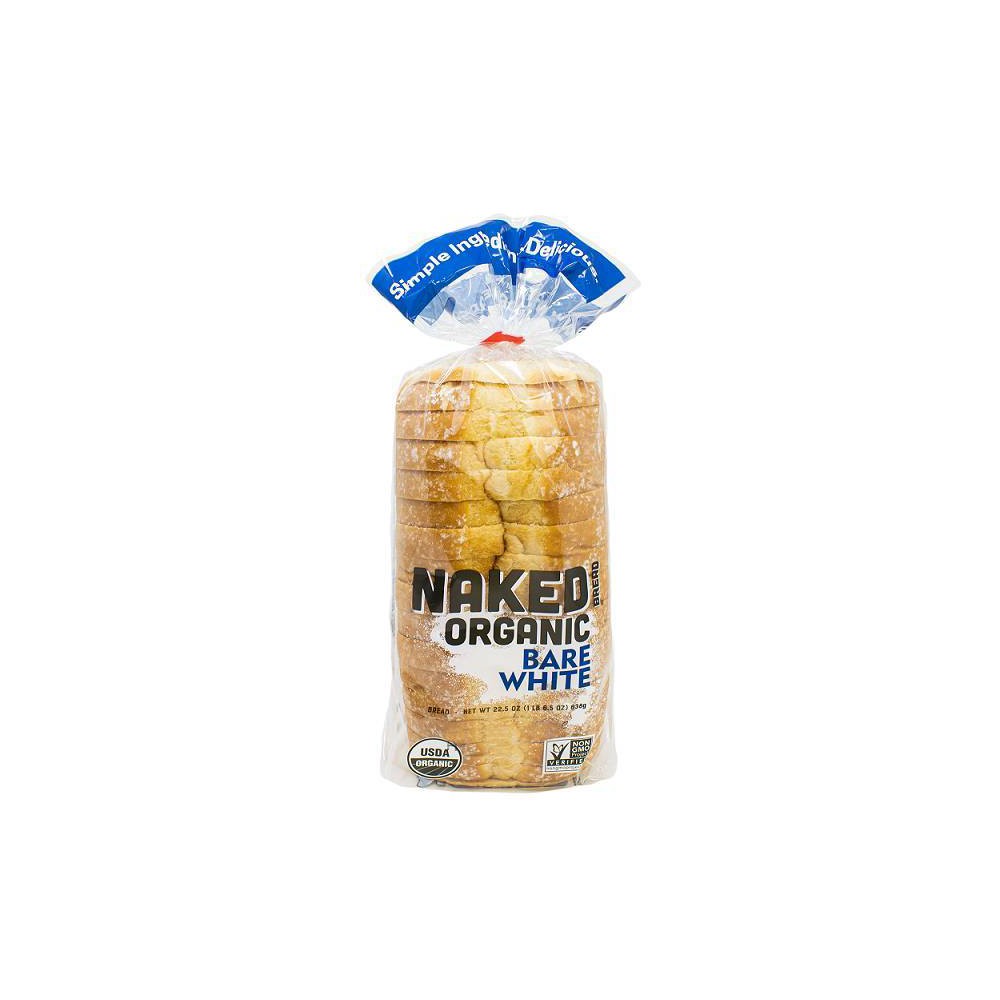
Franz Naked Organic Bare White Bread - 22.5oz
Analysis updated September 2026 · How Scout scores
At a glance
Summary
This bread is made with organic ingredients, including organic enriched unbleached wheat flour and organic cane sugar, which contribute to a cleaner label. The presence of organic salted butter and sea salt adds beneficial nutrients and flavor. However, as a processed food, it is subject to a processing score cap, and the inclusion of enriched flour and added sugar slightly detracts from its overall healthiness.
Key ingredients 10
Organic salted butterGood
Organic salted butter adds flavor and richness to the bread. It provides healthy fats and fat-soluble vitamins. The organic certification ensures it is free from synthetic hormones and pesticides.
Risks
High in saturated fats, which should be consumed in moderation to maintain heart health.
Benefits
Rich in fat-soluble vitamins like A and D, and provides a creamy texture and flavor.
Sea saltGood
Sea salt is a natural source of sodium and trace minerals. It is less processed than table salt and can enhance the flavor of the bread. Its mineral content can vary depending on the source.
Risks
Excessive sodium intake can lead to high blood pressure and cardiovascular issues.
Benefits
Provides essential minerals and enhances the flavor profile of the bread.
Ascorbic acidGood
Vitamin C — beneficial even when serving as a preservative.
Benefits
Improves dough strength and volume, enhancing the bread's quality.
Organic enriched unbleached wheat flourNeutral
This flour is enriched with vitamins and minerals, which can help replenish nutrients lost during processing. Being organic, it avoids synthetic pesticides and fertilizers. However, it is still a refined flour, which lacks the fiber and nutrients of whole grain flour.
Risks
Refined flour can contribute to blood sugar spikes and lacks the fiber found in whole grains.
Benefits
Enrichment adds back some nutrients like iron and B vitamins, which are beneficial for health.
WaterNeutral
Water is a basic ingredient used to hydrate and bind the dough. It is essential for the baking process but does not contribute nutritional value. Its presence is necessary for the texture and structure of the bread.
See more about Water →Organic vital wheat glutenNeutral
Vital wheat gluten is added to improve the elasticity and chewiness of the bread. It is a concentrated form of gluten, which can be problematic for those with gluten sensitivities. Being organic, it avoids synthetic additives.
Risks
May cause adverse reactions in individuals with gluten intolerance or celiac disease.
Benefits
Enhances the texture and structure of the bread, making it more appealing.
YeastNeutral
Yeast is a microorganism used to ferment the dough, causing it to rise. It is a natural ingredient essential for bread making. It contributes to the texture and flavor of the bread.
Benefits
Essential for leavening the bread, contributing to its light and airy texture.
Organic distilled vinegarNeutral
Organic distilled vinegar is used to enhance flavor and act as a preservative. It is a natural ingredient that can help extend the shelf life of the bread. Its acidity can also improve the texture of the bread.
Benefits
Acts as a natural preservative and enhances the flavor profile of the bread.
EnzymesNeutral
Enzymes are added to improve the dough's handling and the bread's texture. They are naturally occurring proteins that aid in the breakdown of starches and proteins. Their use is common in bread making to enhance quality.
Benefits
Improve the texture and shelf life of the bread by aiding in the fermentation process.
Organic cane sugarBad
Processed additive flagged under Scout's ingredient doctrine.
Risks
Excessive consumption of added sugars can lead to health issues such as obesity and diabetes.
Benefits
Provides energy and aids in the fermentation process of the bread.
Processing
Processed Foods
Get the full breakdown in the Scout appTake Scout shopping
Scan any product to see lab results, healthy alternatives, and your personalized analysis.
Download on theApp Store GET IT ONGoogle Play