


Family Style Whear Bread
Summary
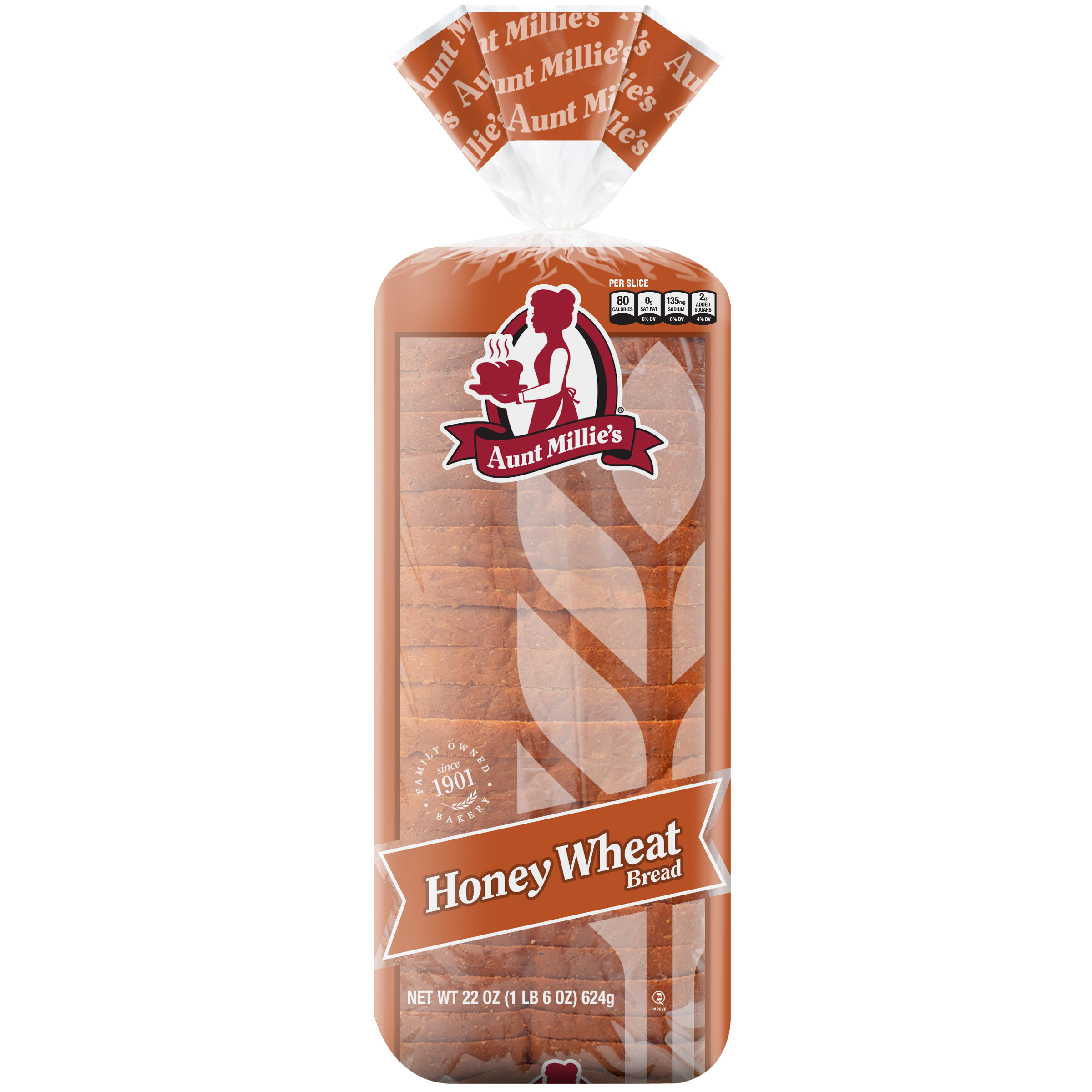
This bread contains whole grain wheat flour, which is a beneficial ingredient due to its nutrient content. However, the presence of soybean oil, sugar, and synthetic additives like monoglycerides and calcium propionate indicates a higher level of processing. These factors, along with the use of refined ingredients, contribute to a moderate score, reflecting both the positive and negative aspects of the product's composition.
At a glance
Key ingredients 11
Whole grain wheat flourGood
Whole grain wheat flour is a minimally processed ingredient that retains the bran, germ, and endosperm, providing essential nutrients. It is a good source of dietary fiber, vitamins, and minerals. Compared to refined flour, it offers more health benefits due to its higher nutrient content.
Risks
May cause allergic reactions in individuals with wheat allergies or gluten intolerance.
Benefits
Rich in dietary fiber, which supports digestive health and helps maintain stable blood sugar levels.
WaterNeutral
Water is a neutral ingredient used as a solvent and to provide moisture in bread. It does not contribute any calories or nutrients. Its primary role is to aid in the mixing and hydration of other ingredients.
See more about Water →SugarBad
Sugar is a refined carbohydrate that provides sweetness and enhances flavor. It can contribute to increased calorie intake without providing essential nutrients. Excessive consumption is linked to various health issues, including obesity and dental cavities.
Risks
High intake may lead to weight gain, increased risk of type 2 diabetes, and dental problems.
Benefits
Provides quick energy but lacks essential nutrients.
YeastNeutral
Yeast is a microorganism used in bread making to ferment sugars, producing carbon dioxide that helps dough rise. It is a natural leavening agent and contributes to the bread's texture and flavor. Yeast itself does not provide significant nutritional benefits.
Benefits
Contributes to the leavening process, improving bread texture and flavor.
Wheat glutenNeutral
Wheat gluten is a protein derived from wheat that provides elasticity and structure to bread. It is commonly used to improve the texture and chewiness of baked goods. While it is beneficial for bread quality, it can cause issues for those with gluten intolerance.
Risks
May cause adverse reactions in individuals with celiac disease or gluten sensitivity.
Benefits
Enhances bread texture and structure, making it more palatable.
Soybean oilVery Bad
Soybean oil is a seed oil high in omega-6 fatty acids, which can promote inflammation when consumed in excess. It is often highly processed and refined, which can reduce its nutritional quality. Compared to healthier oils like olive or avocado oil, it is less beneficial.
Risks
High omega-6 content may promote inflammation and contribute to an imbalance in fatty acid intake.
Barley maltNeutral
Barley malt is a natural sweetener derived from barley that adds flavor and color to bread. It is less refined than white sugar and contains some nutrients. However, it is still a source of sugar and should be consumed in moderation.
Risks
May contribute to increased calorie intake and affect blood sugar levels if consumed in large amounts.
Benefits
Provides a natural source of sweetness and flavor with some nutritional content.
SaltNeutral
Salt is used in bread to enhance flavor and control yeast activity. It is an essential mineral but should be consumed in moderation to avoid health issues. Excessive salt intake is linked to high blood pressure and cardiovascular diseases.
Risks
High intake may lead to hypertension and increased risk of heart disease.
Benefits
Enhances flavor and helps regulate yeast fermentation in bread.
MolassesNeutral
Molasses is a byproduct of sugar refining that adds flavor and color to baked goods. It contains some vitamins and minerals, making it slightly more nutritious than refined sugar. However, it is still a sugar source and should be consumed in moderation.
Risks
May contribute to increased calorie intake and affect blood sugar levels.
Benefits
Contains small amounts of vitamins and minerals, offering more nutrients than refined sugar.
MonoglyceridesBad
Monoglycerides are emulsifiers used to improve texture and extend shelf life in processed foods. They are synthetic additives and may contain trans fats, which are linked to negative health effects. Their presence indicates a higher level of processing.
Risks
May contain trans fats, which are associated with increased risk of heart disease.
Calcium propionateBad
Calcium propionate is a preservative used to prevent mold growth in baked goods. It is a synthetic additive and may cause digestive issues in sensitive individuals. Its use indicates a higher level of processing in the product.
Risks
May cause digestive discomfort or allergic reactions in some individuals.
Benefits
Extends shelf life by preventing mold growth, reducing food waste.
Processing
Processed Foods
Get the full breakdown in the Scout app
Scan any product to see lab results, healthy alternatives, and your personalized analysis.
Download on theApp Store