
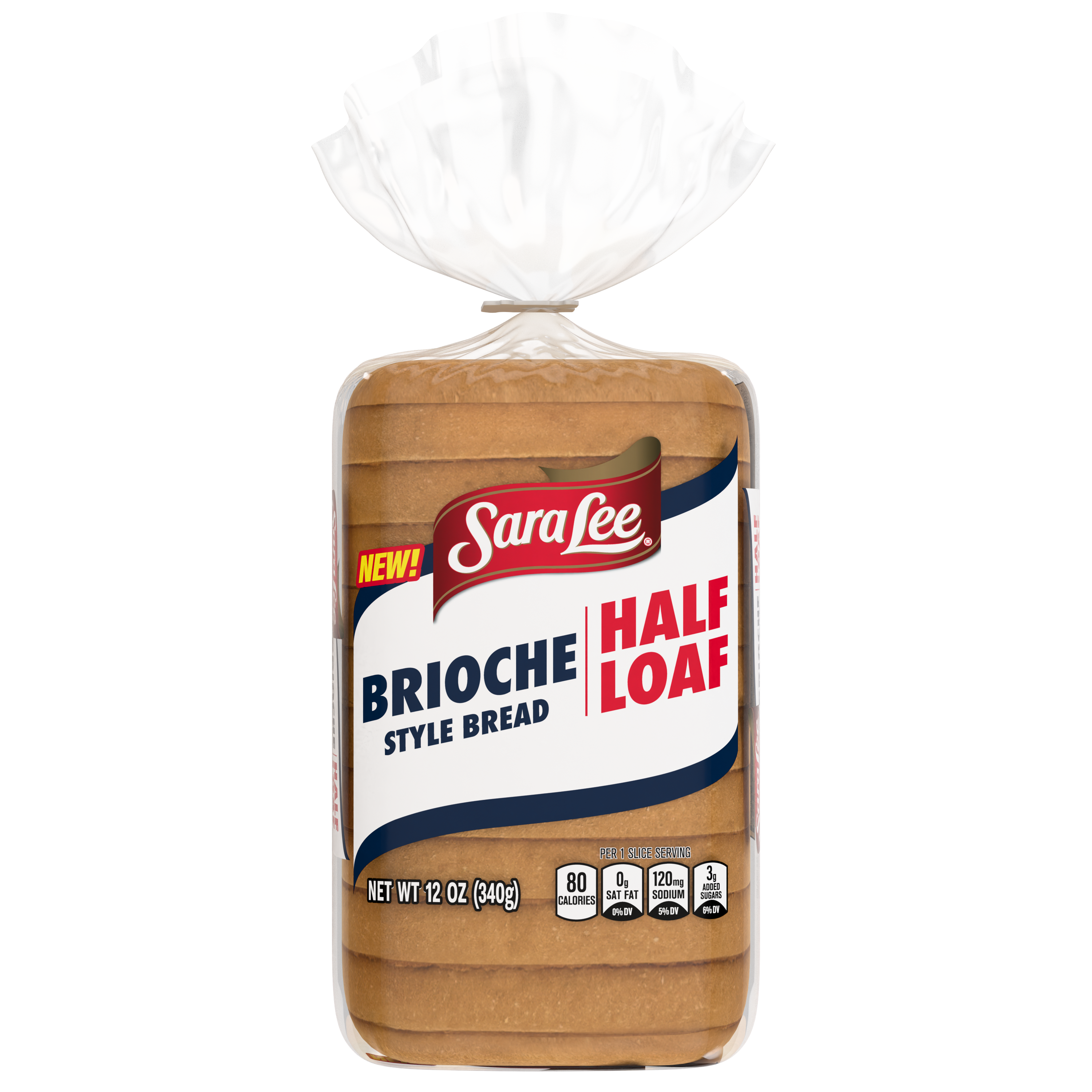



Brioche Style Bread Half Loaf
Analysis updated July 2026 · How Scout scores
At a glance
Summary
This brioche style bread is moderately processed and contains enriched wheat flour, which is a refined ingredient. While it includes beneficial ingredients like malted barley flour and reduced iron, it also contains soy, a common allergen that may be genetically modified and heavily processed. The presence of refined flour and the processing level limit its healthiness compared to less processed bread options.
Key ingredients 10
Malted Barley FlourGood
Malted barley flour is used to enhance flavor and improve the texture of baked goods. It contains enzymes that help break down starches into sugars, aiding in fermentation. This ingredient can improve the nutritional profile of bread by adding some fiber and nutrients.
Benefits
Enhances flavor and texture while providing some fiber and nutrients.
NiacinGood
Beneficial ingredient — whole-food or functional value in this product class.
Benefits
Supports energy metabolism and maintains healthy skin.
RiboflavinGood
Essential B vitamin — beneficial micronutrient.
Benefits
Supports energy production and cellular function.
MilkGood
Whole dairy ingredient.
Risks
Potential allergen and not suitable for lactose-intolerant individuals.
Benefits
Provides calcium and vitamin D, supporting bone health.
FlourNeutral
Flour is a basic ingredient used in baking and cooking. It is typically made from wheat and provides carbohydrates. While it is a staple in many diets, it lacks the nutritional benefits of whole grain flour.
Risks
May contribute to blood sugar spikes and lacks fiber.
Benefits
Provides carbohydrates which are a primary energy source.
Reduced IronNeutral
Standard formulation ingredient — neither beneficial nor harmful at typical use.
Risks
Excessive intake may lead to iron overload, especially in individuals with hemochromatosis.
Benefits
Essential for preventing iron-deficiency anemia and supporting overall health.
Thiamin MononitrateNeutral
Thiamin mononitrate is a form of vitamin B1 used to fortify foods. It plays a key role in energy metabolism and nerve function. While beneficial, it is usually consumed adequately through a balanced diet.
Benefits
Supports energy metabolism and nerve function.
Folic AcidNeutral
Folic acid is a synthetic form of vitamin B9 used to fortify foods to prevent neural tube defects during pregnancy. It is essential for DNA synthesis and cell division. While beneficial, excessive intake from supplements can mask vitamin B12 deficiency.
Risks
Excessive intake can mask vitamin B12 deficiency.
Benefits
Prevents neural tube defects and supports DNA synthesis.
Enriched Wheat FlourBad
Refined grain flour stripped of bran and germ.
Risks
May contribute to blood sugar spikes due to its refined nature.
Benefits
Provides essential nutrients such as iron and B vitamins due to fortification.
SoyBad
Soy is a common allergen and can be a source of phytoestrogens, which may affect hormone balance. It is often genetically modified and heavily processed. While it provides protein, its potential allergenic properties and processing concerns are notable.
Risks
Potential allergen and may affect hormone balance due to phytoestrogens.
Benefits
Provides protein and essential amino acids.
Processing
Processed Foods
Get the full breakdown in the Scout appTake Scout shopping
Scan any product to see lab results, healthy alternatives, and your personalized analysis.
Download on theApp Store GET IT ONGoogle Play