
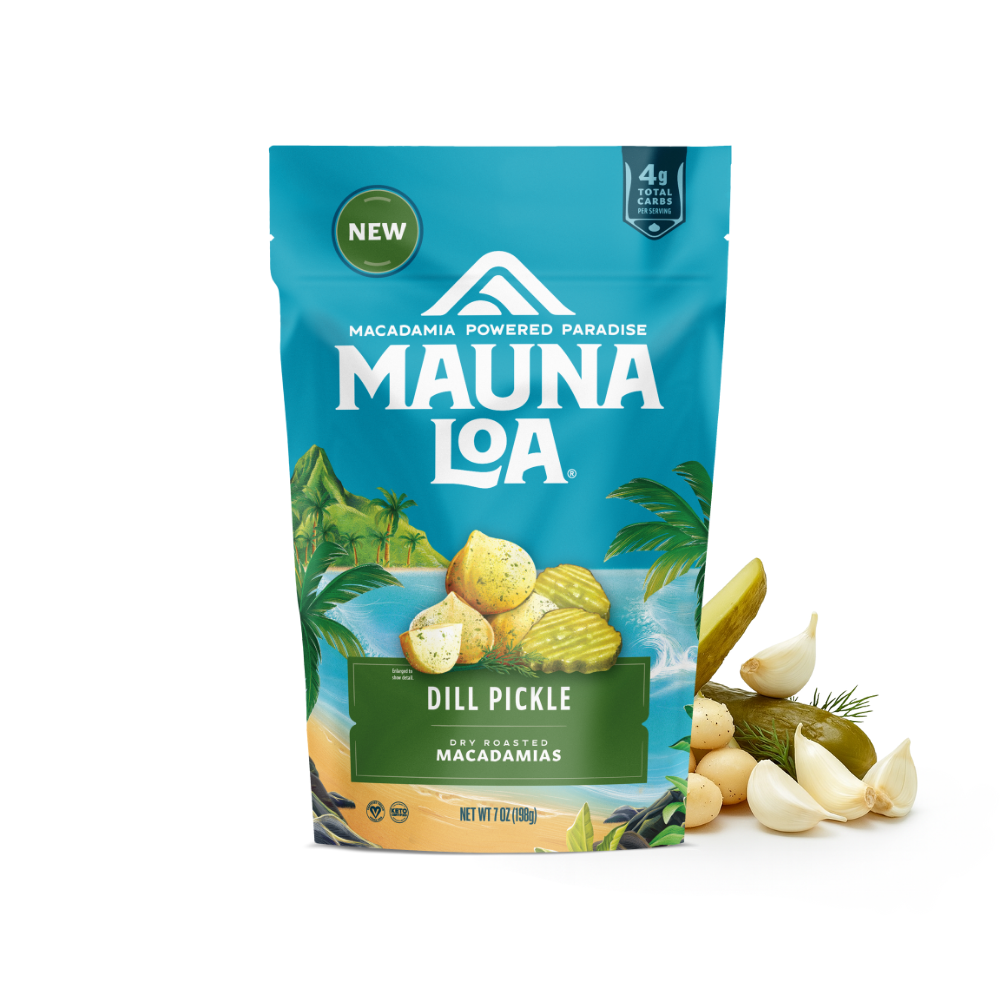


At a glance
Summary
The product contains beneficial ingredients like dry roasted macadamia nuts and extra virgin olive oil, which are rich in healthy monounsaturated fats. However, the presence of maltodextrin, refined sugar, and natural flavor in the seasoning introduces a level of processing that detracts from its overall healthfulness. While the nuts themselves are nutritious, the added ingredients and processing level limit the score.
Key ingredients 13
Dry roasted macadamia nutsVery Good
Macadamia nuts are rich in monounsaturated fats, which are beneficial for heart health. They are minimally processed when dry roasted, preserving their nutritional integrity. Additionally, they provide essential nutrients like magnesium and vitamin B1.
Benefits
Rich in healthy fats and essential nutrients, supporting heart health and providing antioxidant benefits.
Extra virgin olive oilVery Good
Extra virgin olive oil is a high-quality monounsaturated fat with anti-inflammatory properties. It contains antioxidants that support heart health. Cold-pressed extraction preserves beneficial compounds.
Benefits
Rich in monounsaturated fats that support heart health and provide anti-inflammatory properties. Contains antioxidants like vitamin E and polyphenols that may reduce oxidative stress.
Sea saltGood
Sea salt is a natural source of sodium and trace minerals, which are essential for maintaining electrolyte balance. It is less processed than regular table salt, retaining more of its natural minerals. Its use in moderation can enhance flavor without significant health risks.
Risks
Excessive consumption of sodium can lead to high blood pressure and cardiovascular issues.
Benefits
Provides essential minerals and enhances flavor with minimal processing.
Macadamia oilGood
Macadamia oil is rich in monounsaturated fats, similar to olive oil, which are beneficial for cardiovascular health. It is extracted from macadamia nuts, retaining many of their nutritional benefits. Its high smoke point makes it suitable for cooking without degrading its quality.
Benefits
Supports heart health with its high monounsaturated fat content and is stable for cooking due to its high smoke point.
Garlic powderGood
Concentrated whole-food seasoning.
Benefits
Provides flavor and some antioxidant properties, though less potent than fresh garlic.
ParsleyGood
Beneficial ingredient — whole-food or functional value in this product class.
Benefits
Provides flavor and some vitamins and antioxidants, though less potent than fresh parsley.
Onion powderNeutral
Onion powder is a dehydrated form of onion used for seasoning. It retains some flavor and potential health benefits but is less potent than fresh onions. It is minimally processed, making it a convenient flavoring option.
Benefits
Adds flavor and some antioxidant properties, though less potent than fresh onions.
White distilled vinegarNeutral
White distilled vinegar is a common acidic ingredient used for flavoring and preservation. It is produced through fermentation and is generally considered safe. While it has some antimicrobial properties, its nutritional benefits are minimal.
Benefits
Provides acidity and flavor with some antimicrobial properties.
Citric acidNeutral
Citric acid is a natural preservative and flavor enhancer found in citrus fruits. It is used to add acidity and preserve freshness in foods. While it is generally recognized as safe, it offers no significant nutritional benefits.
Benefits
Enhances flavor and preserves freshness without significant nutritional benefits.
DillNeutral
Dill is an herb used for flavoring, offering a fresh and distinctive taste. It is minimally processed and retains some antioxidant properties. While it enhances flavor, its nutritional impact is limited.
Benefits
Adds flavor and some antioxidant properties, though its nutritional impact is limited.
MaltodextrinBad
Maltodextrin is a highly processed carbohydrate used as a thickener or filler. It has a high glycemic index, which can cause rapid spikes in blood sugar levels. Its inclusion in foods is often for texture rather than nutritional value.
Risks
May contribute to blood sugar spikes and is often used in processed foods with little nutritional benefit.
SugarBad
Refined sugar is a simple carbohydrate that can contribute to weight gain and metabolic issues when consumed in excess. It is highly processed and offers no essential nutrients. Its presence in foods is primarily for sweetness, not nutritional value.
Risks
Excessive consumption can lead to obesity, diabetes, and other metabolic disorders.
Natural flavorBad
Natural flavor is a catch-all term for flavoring agents derived from natural sources but often processed. It lacks transparency, making it difficult to assess its exact composition and health impact. Its use is primarily for flavor enhancement rather than nutritional value.
Risks
Lack of transparency can be concerning for those with allergies or sensitivities.
Processing
Processed Foods
Get the full breakdown in the Scout appTake Scout shopping
Scan any product to see lab results, healthy alternatives, and your personalized analysis.
Download on theApp Store GET IT ONGoogle Play