
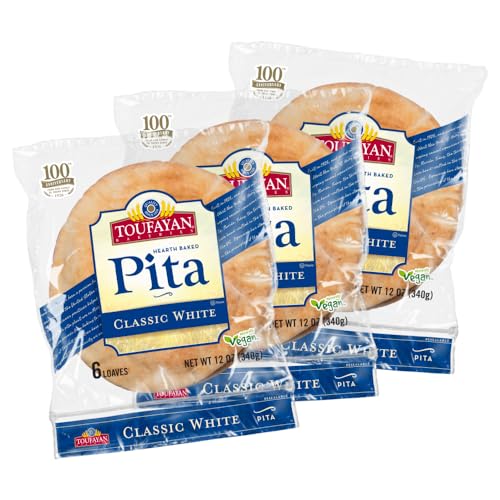


Toufayan Bakeries Hearth Baked Pita
Analysis updated June 2026 · How Scout scores
At a glance
Summary
This product is ultra-processed, which limits its potential health score despite having some beneficial ingredients like stone ground whole wheat flour and various whole grains. The presence of calcium propionate as a preservative is a concern, although it is the only additive detected. The use of enriched wheat flour and the overall processing level contribute to a moderate score, as these factors detract from the product's overall nutritional quality.
Key ingredients 18
Stone Ground Whole Wheat FlourVery Good
Stone ground whole wheat flour is a minimally processed ingredient that retains most of the grain's nutrients. It provides dietary fiber, vitamins, and minerals essential for health. The stone grinding process helps preserve the natural oils and nutrients in the wheat.
Benefits
Rich in dietary fiber, which supports digestive health and helps maintain stable blood sugar levels. Contains essential nutrients like B vitamins and iron.
OatsVery Good
Oats are a whole grain known for their high fiber content and heart health benefits. They provide beta-glucans, which can help lower cholesterol levels. Oats also offer a range of vitamins and minerals, enhancing the nutritional profile of bread.
Benefits
Rich in beta-glucans and fiber, supporting heart health and digestion.
Flax SeedVery Good
Flax seed is a nutrient-dense ingredient rich in omega-3 fatty acids, fiber, and lignans. It supports heart health and has anti-inflammatory properties. Flax seed can enhance the nutritional profile of bread by providing essential nutrients and healthy fats.
Benefits
Rich in omega-3 fatty acids and fiber, supporting heart health and providing anti-inflammatory benefits.
Cracked WheatGood
Cracked wheat is a whole grain ingredient that adds texture and nutritional value to bread. It is less processed than refined grains, retaining more fiber and nutrients. Its inclusion in bread can improve the overall nutritional profile.
Benefits
Provides dietary fiber and essential nutrients, supporting digestive health and nutrient intake.
RyeGood
Rye is a whole grain that contributes to the nutritional value of bread, offering fiber and essential nutrients. It has a distinctive flavor and can improve the texture of baked goods. Rye is known for its potential to support heart health and digestion.
Benefits
Rich in dietary fiber and nutrients, supporting heart health and digestion.
Brown RiceGood
Brown rice is a whole grain that provides fiber, vitamins, and minerals. It is less processed than white rice, retaining more nutrients. Its inclusion in bread can improve the nutritional profile by adding essential nutrients and fiber.
Benefits
Rich in fiber and essential nutrients, supporting digestive health and nutrient intake.
BarleyGood
Barley is a whole grain known for its high fiber content and potential health benefits. It provides beta-glucans, which can help lower cholesterol levels. Barley also offers a range of vitamins and minerals, enhancing the nutritional profile of bread.
Benefits
Rich in beta-glucans and fiber, supporting heart health and digestion.
MilletGood
Millet is a whole grain that provides fiber, vitamins, and minerals. It is gluten-free and offers a range of nutrients, contributing to the overall nutritional value of bread. Millet is known for its potential to support heart health and digestion.
Benefits
Rich in fiber and essential nutrients, supporting heart health and digestion.
WaterNeutral
Water is a neutral ingredient used as a solvent and to provide moisture in the dough. It does not contribute any calories or nutrients. Its primary role is to aid in the mixing and baking process.
See more about Water →Wheat GlutenNeutral
Wheat gluten is a protein derived from wheat that provides elasticity and structure to baked goods. It is commonly used to improve the texture of bread. While beneficial for baking, it can cause issues for those with gluten intolerance or celiac disease.
Risks
Can cause adverse reactions in individuals with gluten intolerance or celiac disease.
Benefits
Enhances the texture and elasticity of bread, making it more palatable.
YeastNeutral
Baker's/nutritional yeast in standard use — benign.
Benefits
Improves the texture and flavor of bread while potentially enhancing nutrient availability.
SaltNeutral
Salt is used to enhance flavor and control yeast activity in bread. It is essential for taste but should be consumed in moderation. Excessive salt intake can lead to health issues such as hypertension.
Risks
High intake can contribute to hypertension and cardiovascular issues.
Benefits
Enhances flavor and helps control yeast activity in baking.
Yellow Corn GritsNeutral
Yellow corn grits are coarsely ground corn used to add texture and flavor to bread. They are a source of carbohydrates and provide some essential nutrients. However, they are less nutrient-dense compared to whole grains.
Benefits
Adds texture and flavor to bread, providing carbohydrates for energy.
TriticaleNeutral
Triticale is a hybrid grain combining wheat and rye, offering a unique nutritional profile. It provides fiber and essential nutrients, contributing to the overall nutritional value of bread. However, it is less commonly used and may not be suitable for those with gluten intolerance.
Risks
May cause adverse reactions in individuals with gluten intolerance.
Benefits
Offers a combination of nutrients from both wheat and rye, enhancing the nutritional profile of bread.
Soy FlourNeutral
Soy flour is a protein-rich ingredient used to enhance the nutritional profile of bread. It provides essential amino acids and can improve the texture of baked goods. However, it may not be suitable for those with soy allergies.
Risks
May cause allergic reactions in individuals with soy allergies.
Benefits
Rich in protein and essential amino acids, enhancing the nutritional profile of bread.
Enriched Wheat FlourBad
Refined grain flour stripped of bran and germ.
Risks
May contribute to rapid spikes in blood sugar levels due to its refined nature.
Benefits
Provides essential nutrients like iron and B vitamins, which are added back after processing.
SugarBad
Refined added sugar.
Risks
Excessive consumption can contribute to weight gain and metabolic issues.
Benefits
Provides energy and enhances the flavor of baked goods.
Calcium PropionateBad
Calcium propionate is a preservative used to extend the shelf life of bread by inhibiting mold growth. While effective, it is a synthetic additive and may cause adverse reactions in sensitive individuals. Its use is common in processed foods to maintain freshness.
Risks
May cause allergic reactions or gastrointestinal issues in sensitive individuals.
Benefits
Helps prevent mold growth, extending the shelf life of bread.
Processing
Ultra-Processed Foods
Get the full breakdown in the Scout appTake Scout shopping
Scan any product to see lab results, healthy alternatives, and your personalized analysis.
Download on theApp Store GET IT ONGoogle PlayAmazon pricing & content
Amazon price as of . Product prices and availability are accurate as of the date/time indicated and are subject to change. Any price and availability information displayed on Amazon.com at the time of purchase will apply to the purchase of this product.
CERTAIN CONTENT THAT APPEARS ON THIS SITE COMES FROM AMAZON. THIS CONTENT IS PROVIDED “AS IS” AND IS SUBJECT TO CHANGE OR REMOVAL AT ANY TIME.