At a glance
Summary
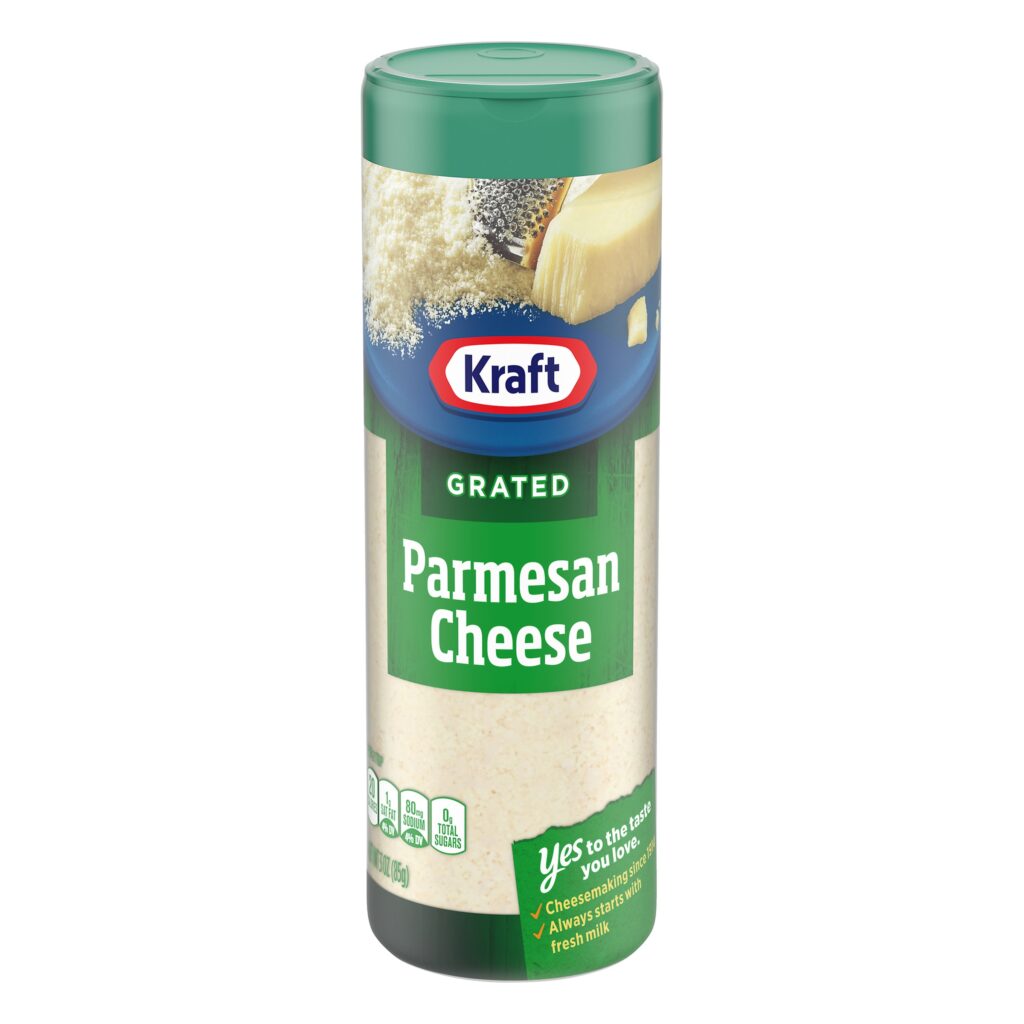
This Parmesan cheese is made from simple, traditional ingredients: cow's milk, salt, and rennet, which are typical for high-quality cheeses. Despite being processed, it lacks harmful additives or seed oils, making it a clean option within its category. The high protein content and absence of sugars further contribute to its favorable rating, although the processing level imposes a cap on its score. Its plastic packaging can shed microplastics into the food and lowers its score.
Key ingredients 3
Cow's milkGood
Cow's milk is a primary ingredient in cheese, providing essential nutrients like calcium and protein. It is typically pasteurized to ensure safety and quality. The milk used in Parmesan is often from cows that are fed a specific diet to enhance flavor.
Risks
Some individuals may be lactose intolerant or allergic to cow's milk proteins.
Benefits
Rich in calcium and protein, supporting bone health and muscle maintenance.
RennetGood
Beneficial ingredient — whole-food or functional value in this product class.
See more about Rennet →SaltNeutral
Salt is used in cheese making for flavor and as a preservative. It helps control the fermentation process and enhances the overall taste. In Parmesan, salt is crucial for developing its characteristic flavor.
Risks
Excessive salt intake can lead to high blood pressure and other cardiovascular issues.
Processing
Processed Foods
Get the full breakdown in the Scout appTake Scout shopping
Scan any product to see lab results, healthy alternatives, and your personalized analysis.