



At a glance
Summary
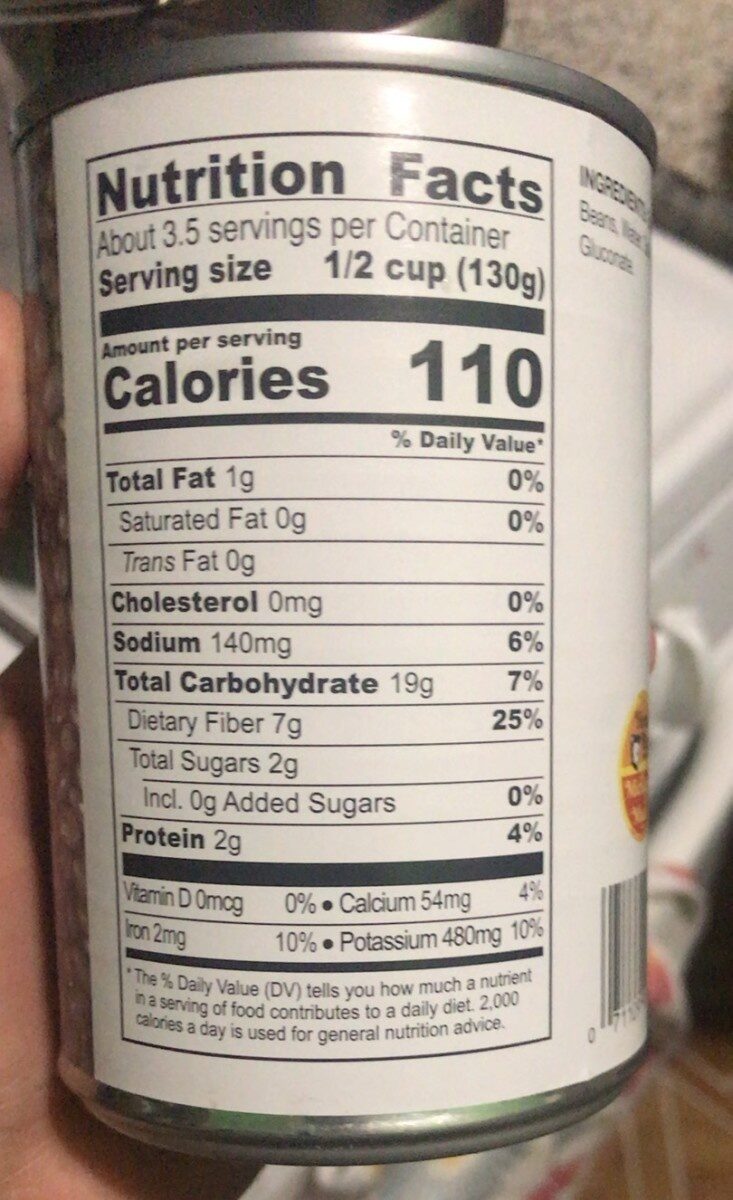
This product contains several beneficial ingredients like whole kernel corn, pinto beans, and black beans, which are minimally processed and provide essential nutrients and fiber. However, the presence of added refined sugar, which is highly processed and offers no nutritional benefits, detracts from its overall healthiness. The product is moderately processed, which limits its score despite the presence of nutrient-dense ingredients.
Key ingredients 11
Pinto BeansVery Good
Pinto beans are a rich source of protein, fiber, and essential nutrients. They are minimally processed and provide a plant-based protein option. Their high fiber content supports digestive health and may help regulate blood sugar levels.
Benefits
Rich in protein, fiber, and essential nutrients like iron and folate.
Black BeansVery Good
Black beans are nutrient-dense, providing protein, fiber, and antioxidants. They are minimally processed and support heart health and digestion. Their antioxidant content may help reduce inflammation and oxidative stress.
Benefits
Provides protein, fiber, and antioxidants that support overall health.
Whole Kernel CornGood
Whole kernel corn is a source of dietary fiber and essential nutrients. It is minimally processed, retaining most of its natural vitamins and minerals. The fiber content supports digestive health and may aid in maintaining healthy blood sugar levels.
Risks
Corn can be high in carbohydrates, which may affect blood sugar levels if consumed in excess.
Benefits
Provides dietary fiber and essential nutrients such as B vitamins and antioxidants.
CornGood
Beneficial ingredient — whole-food or functional value in this product class.
Risks
May contribute to high carbohydrate intake, affecting blood sugar levels.
Benefits
Offers carbohydrates for energy and contains some vitamins and minerals.
OnionGood
Onions are low in calories and rich in vitamins, minerals, and antioxidants. They are minimally processed and add flavor and nutritional value to dishes. Their antioxidant properties may support immune function and reduce inflammation.
Benefits
Rich in antioxidants and nutrients that support immune health.
Red PepperGood
Red peppers are high in vitamins A and C and provide antioxidants. They are minimally processed and contribute to a healthy diet. Their vitamin content supports immune health and skin health.
Benefits
High in vitamins A and C, supporting immune and skin health.
WaterNeutral
Water is used as a solvent and carrier in food products. It is essential for hydration and does not contribute calories or nutrients. In processed foods, it helps maintain texture and consistency.
Benefits
Essential for hydration and maintaining food texture.
SaltNeutral
Salt is used to enhance flavor and preserve food. It is a necessary mineral for bodily functions but should be consumed in moderation. Excessive salt intake can lead to hypertension and cardiovascular issues.
Risks
High intake may increase the risk of hypertension and cardiovascular diseases.
Benefits
Essential for maintaining fluid balance and nerve function.
VinegarNeutral
Vinegar is used for flavoring and preservation in foods. It is a natural product with minimal processing. While it adds acidity and flavor, it does not provide significant nutritional benefits.
Benefits
Adds flavor and acts as a natural preservative.
Red Wine VinegarNeutral
Red wine vinegar is used for its tangy flavor and preservative qualities. It is made from fermented red wine and retains some antioxidants. While it enhances flavor, its nutritional contribution is minimal.
Benefits
Contains some antioxidants and enhances flavor.
SugarBad
Refined sugar is added to enhance sweetness but offers no nutritional benefits. It is highly processed and can contribute to health issues like obesity and diabetes when consumed in excess. Its presence in processed foods is often unnecessary and can lead to overconsumption.
Risks
Excessive intake can lead to obesity, diabetes, and other metabolic disorders.
Processing
Processed Foods
Get the full breakdown in the Scout appTake Scout shopping
Scan any product to see lab results, healthy alternatives, and your personalized analysis.
Download on theApp Store GET IT ONGoogle Play