
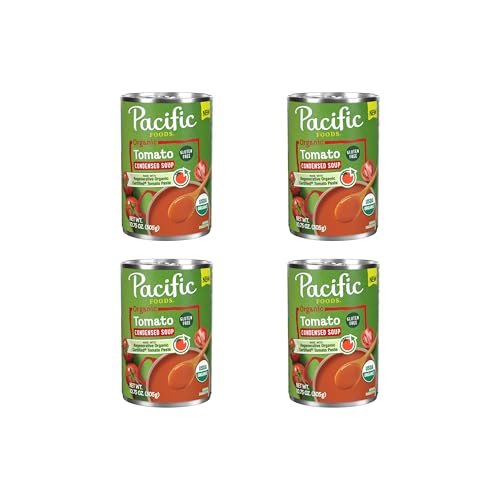


Pacific Foods Organic Tomato Condensed Soup
Analysis updated May 2026 · How Scout scores
At a glance
Summary
This organic tomato condensed soup features several beneficial ingredients like organic tomato puree and paste, which are rich in antioxidants and free from synthetic chemicals. However, the presence of 'natural flavor' introduces a lack of transparency and potential health concerns, and the product is moderately processed, which limits its overall health rating. Despite its organic certification and clean ingredient list, the processing level prevents it from achieving a higher score.
Key ingredients 11
Organic Tomato PureeVery Good
Organic tomato puree is a minimally processed ingredient rich in vitamins and antioxidants. Being organic, it is free from synthetic pesticides and fertilizers, enhancing its nutritional profile. It provides a natural source of lycopene, which may support heart health.
Benefits
Rich in vitamins A and C, and lycopene, which are beneficial for immune function and may reduce the risk of chronic diseases.
Organic Tomato PasteVery Good
Organic tomato paste is concentrated and provides a robust flavor and nutrient profile. The organic certification ensures it is free from harmful chemicals. It is a concentrated source of lycopene and other antioxidants.
Benefits
Provides a concentrated source of antioxidants like lycopene, which may support cardiovascular health.
Sea SaltGood
Unrefined sea salt — a minimally processed, natural source of sodium and essential trace minerals, and a legitimate whole-food seasoning. Treated as a positive ingredient.
Risks
Excessive salt intake can lead to hypertension and cardiovascular issues.
Benefits
Provides essential sodium for maintaining fluid balance and nerve function.
Citrus FiberGood
Citrus fiber is a natural source of dietary fiber derived from citrus fruits. It is used to improve texture and stability in food products. It may aid in digestion and promote a feeling of fullness.
Benefits
Contributes to dietary fiber intake, which is beneficial for digestive health.
WaterNeutral
Water is used as a solvent and carrier in food products. It is essential for hydration and does not contribute calories or nutrients. Its presence ensures the proper consistency and texture of the soup.
Benefits
Essential for hydration and maintaining the desired consistency of the product.
Organic Wheat FlourNeutral
Standard formulation ingredient — neither beneficial nor harmful at typical use.
Risks
Contains gluten, which may be a concern for individuals with celiac disease or gluten sensitivity.
Benefits
Provides carbohydrates and some protein, contributing to the energy content of the soup.
Citric AcidNeutral
Citric acid is a natural preservative and flavor enhancer. It is commonly used to maintain acidity and prevent spoilage. It is generally recognized as safe when used in food products.
Benefits
Helps preserve the product and enhances the tartness and flavor.
CornstarchNeutral
Cornstarch is used as a thickening agent in food products. It is a refined carbohydrate that provides texture and consistency. It is generally considered safe when consumed in moderation.
Benefits
Contributes to the desired texture and thickness of the soup.
Rice FlourNeutral
Rice flour is used as a gluten-free thickening agent. It provides a smooth texture and is suitable for those with gluten sensitivities. It is a source of carbohydrates and is generally well-tolerated.
Benefits
Provides a gluten-free alternative for thickening, suitable for individuals with gluten intolerance.
Organic Cane SugarBad
Processed additive flagged under Scout's ingredient doctrine.
Risks
Excessive consumption of sugar can lead to health issues such as obesity and diabetes.
Benefits
Provides energy and enhances the flavor profile of the product.
Natural FlavorBad
Natural flavor is a catch-all term for flavoring agents derived from natural sources. It lacks transparency, making it difficult to assess its exact composition and potential health impacts. It is often used to enhance taste without providing nutritional benefits.
Risks
Potential allergens or sensitivities may be present, and the lack of transparency can be concerning for some consumers.
Benefits
Enhances the flavor profile of the product without adding calories.
Processing
Processed Foods
Get the full breakdown in the Scout appTake Scout shopping
Scan any product to see lab results, healthy alternatives, and your personalized analysis.
Download on theApp Store GET IT ONGoogle PlayAmazon pricing & content
Amazon price as of . Product prices and availability are accurate as of the date/time indicated and are subject to change. Any price and availability information displayed on Amazon.com at the time of purchase will apply to the purchase of this product.
CERTAIN CONTENT THAT APPEARS ON THIS SITE COMES FROM AMAZON. THIS CONTENT IS PROVIDED “AS IS” AND IS SUBJECT TO CHANGE OR REMOVAL AT ANY TIME.