
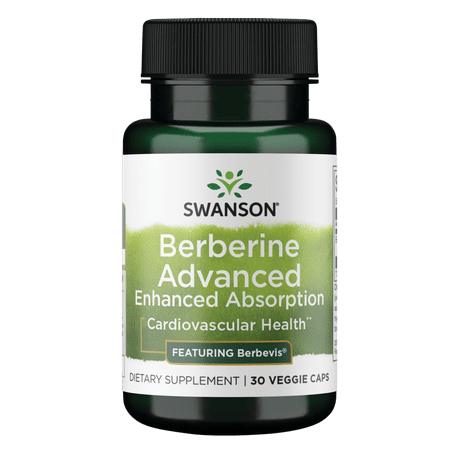

Swanson Berberine Advanced Enhanced Absorption - Featuring Berbevis
Analysis updated June 2026 · How Scout scores
At a glance
Summary
This supplement contains a clean formulation with minimal additives, focusing on beneficial ingredients like pea protein and grapeseed extract. However, the presence of sunflower lecithin, while not a major red flag, is a processed ingredient that slightly impacts the overall score. The product maintains a moderate level of processing, which is typical for supplements, without any major harmful substances.
Key ingredients 8
HypromelloseNeutral
Hypromellose is used as a vegan capsule material and is generally considered safe. It is a cellulose derivative that provides a plant-based alternative to gelatin capsules. No significant health risks identified for this ingredient.
Benefits
Provides a plant-based alternative to gelatin, suitable for vegetarians and vegans.
Pea ProteinNeutral
Pea protein is a plant-based protein source that is often used in supplements. It is hypoallergenic and provides a moderate amino acid profile. While it is a good alternative for those avoiding animal proteins, it lacks some essential amino acids found in animal-based proteins.
Benefits
Hypoallergenic and suitable for those with dietary restrictions related to animal products.
Grapeseed ExtractNeutral
Grapeseed extract is often used for its antioxidant properties. It contains polyphenols that may support cardiovascular health. However, the benefits are not universally accepted and depend on the extract's quality and concentration.
Benefits
Contains antioxidants that may support cardiovascular health.
Hydroxypropyl CelluloseNeutral
Hydroxypropyl cellulose is used as a thickener and stabilizer in supplements. It is a chemically modified cellulose derivative that is generally recognized as safe. It does not provide nutritional benefits but aids in product formulation.
Benefits
Helps stabilize and thicken products, improving texture and consistency.
SilicaNeutral
Silica is used as an anti-caking agent in supplements. It is a naturally occurring mineral that helps prevent clumping. While it is inert and safe in small amounts, it does not provide nutritional benefits.
Benefits
Prevents clumping and improves the flow of powdered ingredients.
Rice BranNeutral
Rice bran is a byproduct of rice milling and is used for its fiber content. It is a whole food ingredient that can provide some nutritional benefits, though it is often used in small amounts in supplements.
Benefits
Provides dietary fiber and some micronutrients.
Magnesium StearateNeutral
Magnesium stearate is commonly used as a flow agent in supplement manufacturing. It is a salt of stearic acid and magnesium that helps prevent ingredients from sticking to equipment. While it is generally recognized as safe, it does not offer nutritional benefits.
Benefits
Improves manufacturing efficiency by preventing ingredient clumping.
Sunflower LecithinBad
Sunflower lecithin is used as an emulsifier in many food products. While it is a refined product, it is derived from sunflower seeds and not considered a seed oil. However, it is still a processed ingredient with potential allergenic concerns.
Risks
May cause allergic reactions in sensitive individuals.
Benefits
Can improve the texture and stability of products by acting as an emulsifier.
Processing
Processed Foods
Get the full breakdown in the Scout appTake Scout shopping
Scan any product to see lab results, healthy alternatives, and your personalized analysis.
Download on theApp Store GET IT ONGoogle PlayAmazon pricing & content
Amazon price as of . Product prices and availability are accurate as of the date/time indicated and are subject to change. Any price and availability information displayed on Amazon.com at the time of purchase will apply to the purchase of this product.
CERTAIN CONTENT THAT APPEARS ON THIS SITE COMES FROM AMAZON. THIS CONTENT IS PROVIDED “AS IS” AND IS SUBJECT TO CHANGE OR REMOVAL AT ANY TIME.