


At a glance
Summary
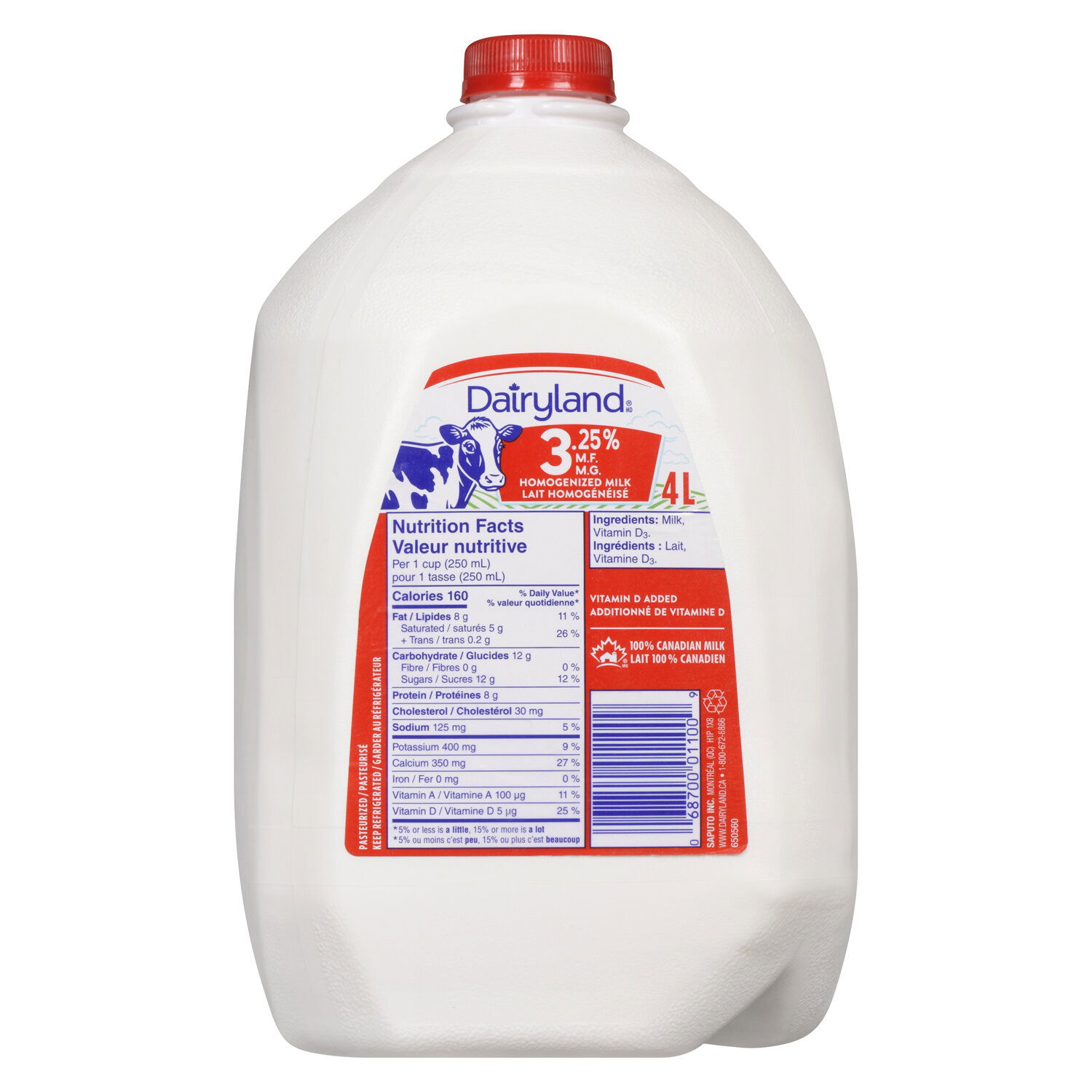
This product contains whole milk, which is a beneficial ingredient providing essential nutrients like calcium and vitamin D. However, it also includes refined sugar, which is highly processed and can contribute to health issues such as weight gain and blood sugar spikes. The product's processing level limits its score, as it is not minimally processed.
Key ingredients 2
Whole MilkGood
Whole milk is a natural source of essential nutrients like calcium, vitamin D, and protein. It is minimally processed, retaining its beneficial nutrients and fats. The presence of natural fats aids in the absorption of fat-soluble vitamins.
Risks
Potential risks include lactose intolerance for some individuals and higher calorie content due to fat.
Benefits
Provides essential nutrients such as calcium and vitamin D, which are important for bone health. Contains high-quality protein that supports muscle maintenance.
SugarBad
Refined sugar is a source of empty calories with no essential nutrients. It is highly processed and can contribute to weight gain and metabolic issues when consumed in excess. Regular consumption can lead to increased risk of dental cavities and blood sugar spikes.
Risks
Excessive intake can lead to obesity, type 2 diabetes, and heart disease.
Processing
Processed Foods
Get the full breakdown in the Scout appTake Scout shopping
Scan any product to see lab results, healthy alternatives, and your personalized analysis.
Download on theApp Store GET IT ONGoogle Play