
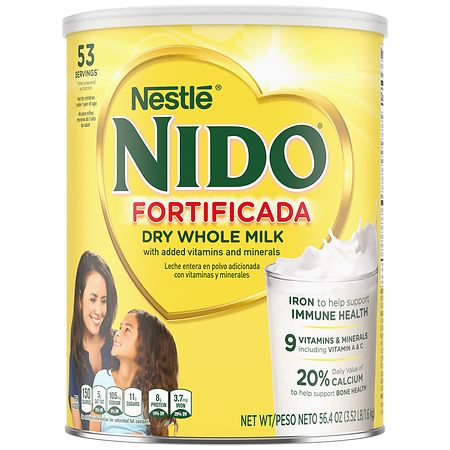


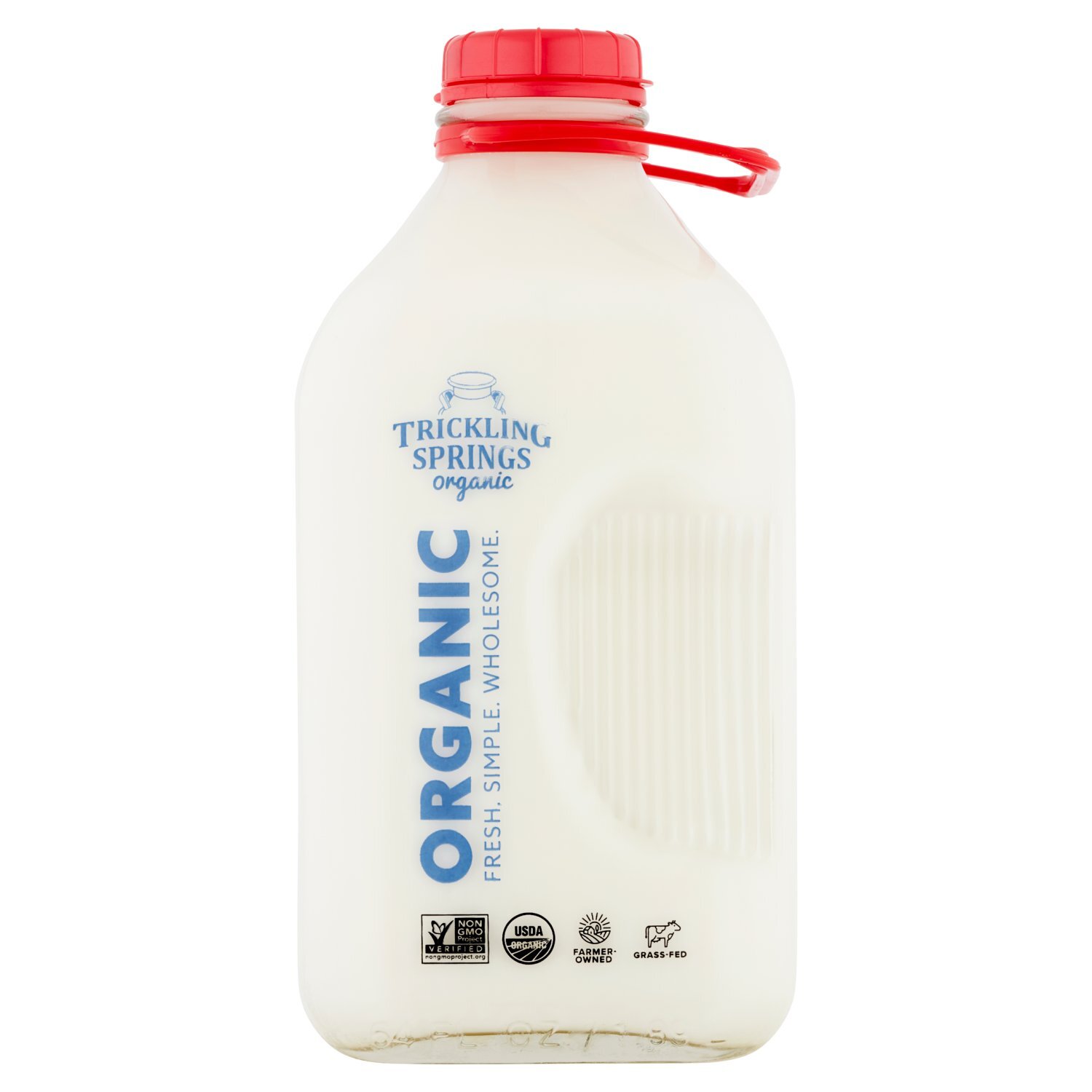

Nestle DRY WHOLE MILK
Analysis updated August 2026 · How Scout scores
At a glance
Summary
This product is ultra-processed due to the inclusion of additives like soy lecithin and fortifying vitamins, which are used to enhance nutritional value and improve texture. While it contains beneficial nutrients from whole milk and added vitamins, the processing level and presence of an emulsifier slightly detract from its overall healthiness. The product retains a good nutritional profile but is limited by its processing level.
Key ingredients 7
Whole milkGood
Whole milk is a rich source of essential nutrients including calcium, vitamin D, and protein. It provides a balanced profile of fats, carbohydrates, and proteins necessary for growth and maintenance of body functions. The drying process retains most of its nutritional benefits while extending shelf life.
Risks
Some individuals may be lactose intolerant or allergic to milk proteins.
Benefits
Provides essential nutrients such as calcium and vitamin D, which are crucial for bone health. Contains high-quality protein that supports muscle maintenance and growth.
Vitamin C (sodium ascorbate)Good
Sodium ascorbate is a form of vitamin C that acts as an antioxidant and supports immune function. It is used to fortify foods and enhance nutritional value. This form is less acidic than ascorbic acid, making it gentler on the stomach.
Benefits
Supports immune health and acts as an antioxidant, protecting cells from damage.
Iron (ferric pyrophosphate)Good
Ferric pyrophosphate is a source of iron used to fortify foods, helping to prevent iron deficiency anemia. It is a stable compound that does not affect the taste or color of food products. Iron is essential for oxygen transport in the blood.
Risks
Excessive iron intake can lead to toxicity, but this is rare with normal consumption.
Benefits
Essential for the production of hemoglobin and prevention of anemia.
Vitamin D3 (cholecalciferol)Good
Vitamin D3 is a form of vitamin D that is effective in raising blood levels of vitamin D. It is crucial for calcium absorption and bone health. Fortification with vitamin D3 helps prevent deficiencies, especially in populations with limited sun exposure.
Benefits
Enhances calcium absorption and supports bone health, reducing the risk of osteoporosis.
Zinc sulfateNeutral
Zinc sulfate is used to fortify foods with zinc, an essential mineral for immune function and enzyme activity. It is a common form of zinc supplementation in food products. While beneficial, it is a processed additive.
Risks
Excessive zinc intake can interfere with copper absorption and cause gastrointestinal issues.
Benefits
Supports immune function and is involved in numerous enzymatic reactions in the body.
Vitamin A acetateNeutral
Vitamin A acetate is a synthetic form of vitamin A used to fortify foods. It is important for vision, immune function, and skin health. As a synthetic additive, it does not provide the same benefits as natural sources of vitamin A.
Risks
High doses of synthetic vitamin A can be toxic, but this is unlikely with normal consumption.
Benefits
Supports vision and immune health, and is essential for maintaining healthy skin.
Soy lecithinBad
Soy lecithin is used as an emulsifier to improve texture and consistency in food products. It is derived from soybeans, which may be genetically modified unless specified as non-GMO. While generally considered safe, it is a processed additive that some consumers prefer to avoid.
Risks
May contain traces of soy allergens and could be derived from genetically modified soybeans.
Benefits
Helps maintain product consistency and prevents separation of ingredients.
Processing
Ultra-Processed Foods
Get the full breakdown in the Scout appTake Scout shopping
Scan any product to see lab results, healthy alternatives, and your personalized analysis.
Download on theApp Store GET IT ONGoogle PlayAmazon pricing & content
Amazon price as of . Product prices and availability are accurate as of the date/time indicated and are subject to change. Any price and availability information displayed on Amazon.com at the time of purchase will apply to the purchase of this product.
CERTAIN CONTENT THAT APPEARS ON THIS SITE COMES FROM AMAZON. THIS CONTENT IS PROVIDED “AS IS” AND IS SUBJECT TO CHANGE OR REMOVAL AT ANY TIME.