

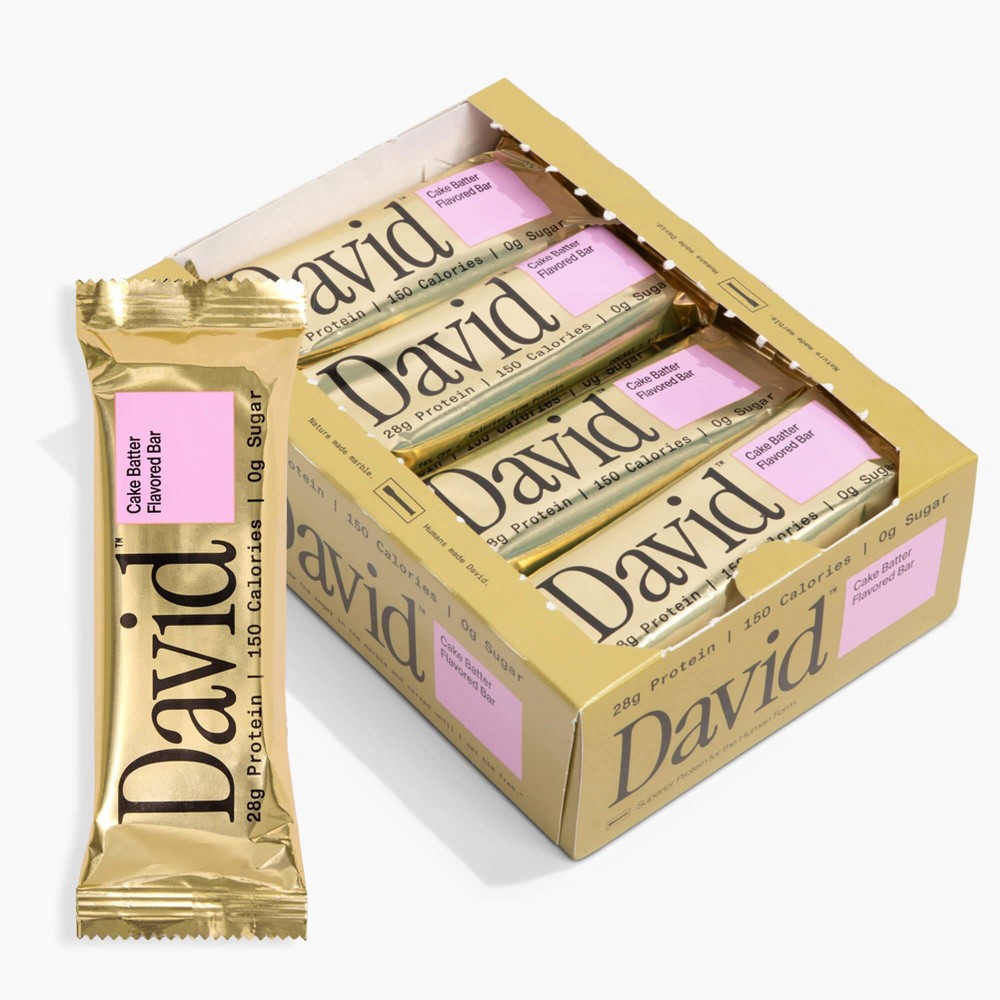


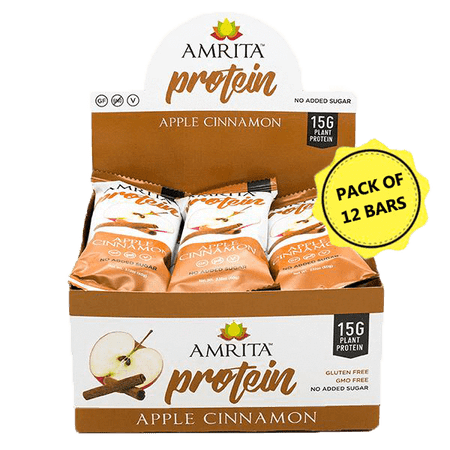
Kirkland Signature Protein Bars Cookies and Cream 2.12 oz, 20-count
Near you
Kirkland Signature is carried at Costco stores. Find one within 25 miles.
Summary
This protein bar contains high-quality protein sources like milk protein isolate and whey protein isolate, which are beneficial for muscle growth and recovery. However, it is heavily processed and includes natural flavors, which are highly processed and lack transparency. The presence of multiple additives, such as erythritol and steviol glycoside, also contributes to its processing level, impacting the overall score.
At a glance
Key ingredients 14
Milk Protein IsolateGood
Milk protein isolate is a high-quality protein source that provides a complete amino acid profile. It is minimally processed and supports muscle repair and growth. Compared to plant-based proteins, it offers superior digestibility and bioavailability.
Benefits
Rich in essential amino acids, promoting muscle recovery and maintenance.
Whey Protein IsolateVery Good
Whey protein isolate is a premium protein source known for its high biological value and rapid absorption. It is processed to remove most fats and lactose, making it suitable for those with lactose intolerance. This protein supports muscle synthesis and recovery effectively.
Benefits
Excellent source of branched-chain amino acids, aiding in muscle growth and repair.
Dietary Fiber From Tapioca StarchGood
Dietary fiber from tapioca starch is a beneficial ingredient that aids in digestive health. It is a resistant starch that can improve gut health by promoting beneficial bacteria. This fiber is minimally processed and adds bulk to the diet.
Benefits
Supports digestive health and helps maintain regular bowel movements.
Cashew ButterNeutral
Cashew butter is a natural source of healthy fats and provides a creamy texture to the product. It is minimally processed and contains beneficial nutrients like magnesium and iron. However, it is calorie-dense and should be consumed in moderation.
Risks
High in calories and fats, which may contribute to weight gain if consumed in excess.
Benefits
Provides healthy monounsaturated fats and essential minerals.
ErythritolNeutral
Erythritol is a sugar alcohol used as a low-calorie sweetener. It is naturally found in some fruits and is well-tolerated by most people. Unlike other sugar alcohols, it does not cause significant digestive issues.
Risks
Excessive consumption may cause mild digestive discomfort in sensitive individuals.
Benefits
Provides sweetness without adding calories, making it suitable for low-calorie diets.
Natural FlavorsBad
Natural flavors are a catch-all term for flavoring agents derived from natural sources. They are highly processed and can contain a variety of chemical compounds. The lack of transparency in their composition raises concerns about potential allergens and additives.
Risks
Potential allergens and additives may be present, posing risks to sensitive individuals.
Cocoa Powder (Processed With Alkali)Neutral
Cocoa powder processed with alkali, also known as Dutch-processed cocoa, has a milder flavor and darker color. The alkalization process reduces acidity but may also decrease some beneficial antioxidants. It is commonly used for its flavor and color in food products.
Risks
Alkalization may reduce antioxidant content compared to natural cocoa powder.
Benefits
Provides flavor and color to the product, enhancing its palatability.
Coconut OilNeutral
Coconut oil is a source of medium-chain triglycerides (MCTs), which are metabolized differently than other fats. It is minimally processed and provides a creamy texture. However, it is high in saturated fats, which should be consumed in moderation.
Risks
High in saturated fats, which may impact heart health if consumed in excess.
Benefits
Contains MCTs that may support energy metabolism and weight management.
Sea SaltGood
Unrefined sea salt — a minimally processed, natural source of sodium and essential trace minerals, and a legitimate whole-food seasoning. Treated as a positive ingredient.
Risks
High sodium intake may contribute to hypertension and cardiovascular issues.
Benefits
Provides essential sodium for electrolyte balance and flavor enhancement.
Whey Protein ConcentrateGood
Whey protein concentrate is a high-quality protein source that supports muscle growth and recovery. It contains more fats and lactose than isolate but is still an excellent protein source. It is less processed than isolate, retaining more beneficial nutrients.
Risks
May not be suitable for individuals with lactose intolerance due to higher lactose content.
Benefits
Rich in essential amino acids, supporting muscle synthesis and recovery.
Steviol Glycoside (Stevia)Neutral
Steviol glycoside, derived from the stevia plant, is a natural, zero-calorie sweetener. It is minimally processed and provides sweetness without impacting blood sugar levels. It is a popular alternative to artificial sweeteners.
Benefits
Offers sweetness without calories, suitable for low-calorie and diabetic-friendly diets.
Tapioca StarchNeutral
Tapioca starch is a carbohydrate extracted from cassava root, used as a thickening agent. It is gluten-free and minimally processed, making it suitable for those with gluten sensitivities. It provides texture and stability to food products.
Benefits
Gluten-free and provides texture to food products, suitable for gluten-sensitive individuals.
Calcium CarbonateNeutral
Calcium carbonate is a common dietary supplement used to increase calcium intake. It is highly processed and used to fortify foods with calcium. While beneficial for bone health, excessive intake can lead to health issues.
Risks
Excessive calcium intake may lead to kidney stones or impaired absorption of other minerals.
Benefits
Provides calcium, supporting bone health and preventing deficiencies.
Sunflower LecithinNeutral
Sunflower lecithin is an emulsifier derived from sunflower seeds, used to improve texture and consistency. It is less processed than soy lecithin and free from common allergens. It is generally considered safe and beneficial for its emulsifying properties.
Benefits
Acts as an emulsifier, improving texture and consistency in food products.
Processing
Ultra-Processed Foods
Get the full breakdown in the Scout app
Scan any product to see lab results, healthy alternatives, and your personalized analysis.
Download on theApp Store