


At a glance
Summary
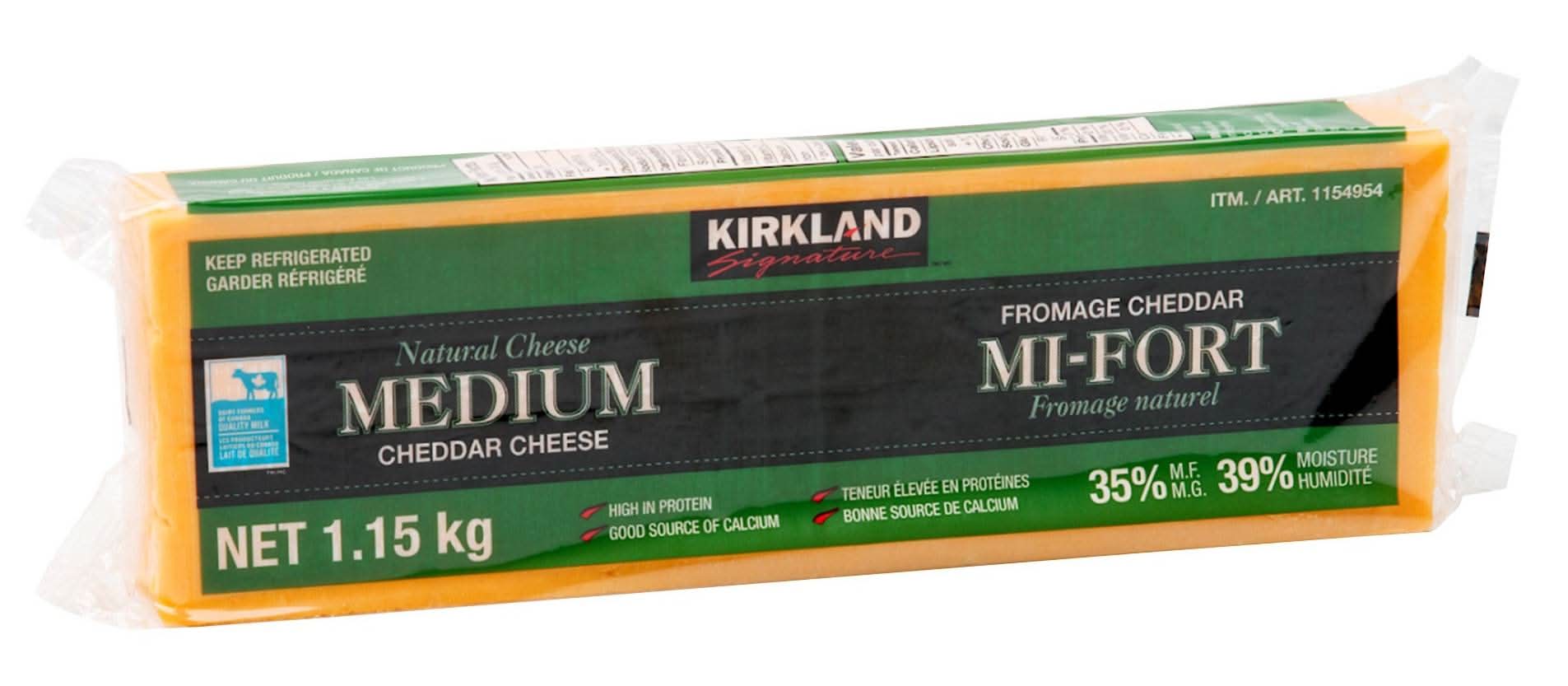
This cheddar cheese is made with a relatively clean ingredient list, including milk, cream, and bacterial cultures, which are essential for traditional cheese-making. The presence of annatto for coloring and calcium chloride as a firming agent are common in cheese production and do not significantly detract from its quality. While it is processed, the absence of harmful additives and the use of natural ingredients support a high score within its category.
Key ingredients 8
MilkGood
Whole dairy ingredient.
Risks
Potential risks include lactose intolerance or milk allergies in some individuals.
Benefits
Provides calcium and protein, which are important for bone health and muscle maintenance.
CreamGood
Traditional whole-fat dairy ingredient.
Risks
High in saturated fats, which may contribute to heart disease if consumed in excess.
Benefits
Enhances flavor and texture, providing a source of fat-soluble vitamins.
Bacterial CultureGood
Bacterial cultures are essential for cheese fermentation, contributing to flavor and texture development. They are natural and play a crucial role in the cheese-making process. Different cultures can impart unique flavors and characteristics to the cheese.
Benefits
Promotes fermentation, enhancing flavor and potentially providing probiotic benefits.
Ultrafiltered MilkNeutral
Ultrafiltered milk is processed to concentrate proteins and reduce lactose content. This process enhances the protein content while making it more digestible for lactose-intolerant individuals. It is often used to improve the nutritional profile of dairy products.
Benefits
Higher protein content and reduced lactose make it beneficial for those with lactose intolerance.
SaltNeutral
Salt is used in cheese for flavor and as a preservative. It is a common ingredient in cheese-making, helping to control moisture and bacterial growth. The type of salt used can affect the mineral content of the cheese.
Risks
Excessive sodium intake can lead to high blood pressure and other cardiovascular issues.
Benefits
Acts as a preservative and enhances flavor.
AnnattoNeutral
Annatto is a natural coloring agent derived from the seeds of the achiote tree. It is used to give cheese a distinctive orange hue. As a natural colorant, it is preferred over synthetic dyes.
Risks
Rare allergic reactions have been reported in sensitive individuals.
Benefits
Provides natural color without synthetic additives.
Calcium ChlorideNeutral
Calcium chloride is used in cheese-making to improve curd formation and texture. It is a common additive in the dairy industry, enhancing the firmness of the cheese. It is generally recognized as safe when used in food processing.
Benefits
Improves curd formation and texture in cheese-making.
Microbial EnzymeNeutral
Microbial enzymes are used as a vegetarian alternative to animal rennet in cheese-making. They help coagulate milk, forming curds. This makes the cheese suitable for vegetarians and aligns with modern cheese production practices.
Benefits
Facilitates cheese production and is suitable for vegetarian diets.
Processing
Processed Foods
Get the full breakdown in the Scout appTake Scout shopping
Scan any product to see lab results, healthy alternatives, and your personalized analysis.
Download on theApp Store GET IT ONGoogle Play