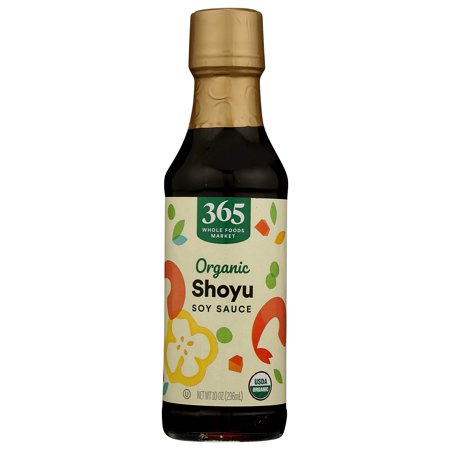
SOY SAUCE
At a glance
Summary
This soy sauce is made with organic ingredients, including soybeans and alcohol, which are beneficial due to their lack of synthetic chemicals. The product is processed, but it avoids harmful additives and seed oils, maintaining a clean label. The high sodium content is typical for soy sauce, but the organic certification and minimal ingredient list contribute positively to its score.
Key ingredients 5
Organic soybeansGood
Organic soybeans are a good source of plant-based protein and essential amino acids. Being organic, they are grown without synthetic pesticides or fertilizers, reducing potential exposure to harmful chemicals. They also provide isoflavones, which may have health benefits.
Risks
Soybeans can be allergenic for some individuals and may interfere with thyroid function if consumed in large amounts.
Benefits
Rich in protein and isoflavones, which may support heart health and provide antioxidant properties.
Organic alcoholGood
Organic alcohol is used in soy sauce as a preservative and to enhance flavor. Being organic, it is produced without synthetic chemicals, which is beneficial. It helps in extending the shelf life of the product naturally.
Benefits
Acts as a natural preservative and flavor enhancer, contributing to the product's stability and taste.
WaterNeutral
Water is a neutral ingredient used as a solvent and carrier in many food products. It does not contribute any nutritional value or health risks. Its presence is essential for the consistency and texture of soy sauce.
See more about Water →Organic wheatNeutral
Organic wheat is used in the fermentation process of soy sauce, contributing to its flavor profile. As an organic ingredient, it is grown without synthetic chemicals, which is a positive aspect. However, it does not provide significant nutritional benefits in the context of soy sauce.
Risks
Contains gluten, which can be problematic for individuals with celiac disease or gluten sensitivity.
SaltNeutral
Salt is a key ingredient in soy sauce, providing flavor and acting as a preservative. It is a refined ingredient, lacking the trace minerals found in unrefined salts. High sodium content is a concern for cardiovascular health.
Risks
Excessive sodium intake can lead to high blood pressure and increased risk of heart disease.
Processing
Processed Foods
Get the full breakdown in the Scout appTake Scout shopping
Scan any product to see lab results, healthy alternatives, and your personalized analysis.
Are you 365 Everyday Value? Fix an error Get the badge Get tested