

At a glance
Summary
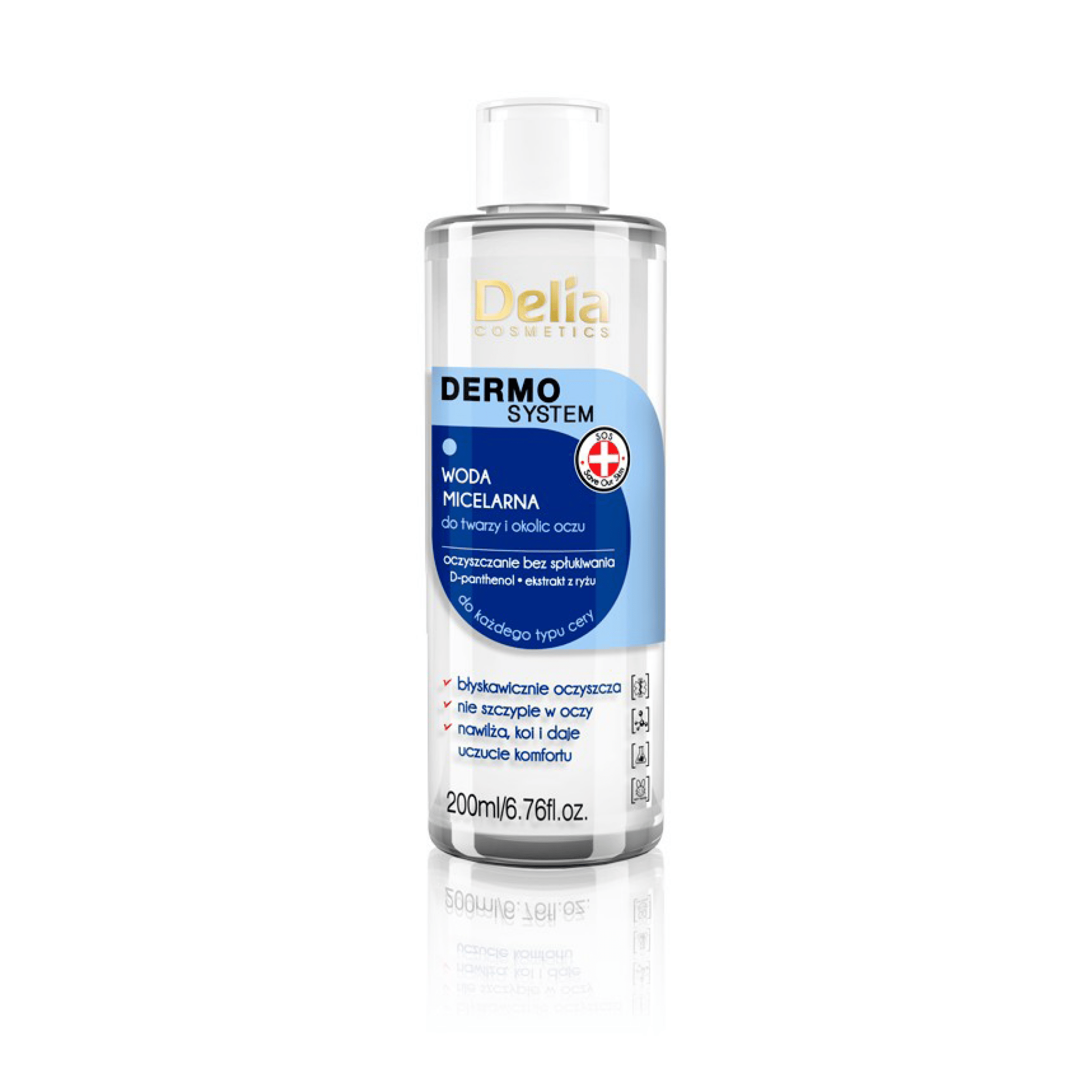
This micellar water contains beneficial ingredients like glycerin, sodium hyaluronate, and panthenol, which provide hydration and soothing properties. However, the presence of phenoxyethanol, fragrance, and BHT, which are potential irritants and allergens, lowers its safety profile. The product is moderately processed, which further impacts its overall rating.
Key ingredients 20
PanthenolVery Good
Panthenol, also known as provitamin B5, is a moisturizing agent that helps improve skin hydration and elasticity. It has anti-inflammatory properties and helps soothe irritated skin. It is suitable for all skin types and enhances the skin's barrier function.
Risks
There are no significant risks associated with panthenol in cosmetics.
Benefits
Panthenol helps improve skin hydration, soothes irritation, and enhances the skin's barrier function.
GlycerinGood
Glycerin is a humectant that attracts moisture to the skin, helping to keep it hydrated. It is widely used in skincare for its moisturizing properties. It is non-irritating and suitable for all skin types.
Risks
There are no significant risks associated with glycerin in cosmetics.
Benefits
Glycerin helps maintain skin hydration and improves the skin's barrier function.
Sodium CocoamphoacetateGood
Sodium Cocoamphoacetate is a mild surfactant derived from coconut oil, used for its cleansing and foaming properties. It is considered gentle and non-irritating. It is suitable for sensitive skin and helps maintain the skin's natural moisture balance.
Risks
There are minimal risks associated with Sodium Cocoamphoacetate, though some individuals may experience mild irritation.
Benefits
It provides gentle cleansing without stripping the skin of its natural oils.
BetaineGood
Betaine is a natural amino acid derivative that helps maintain skin hydration and improve texture. It is known for its moisturizing and anti-inflammatory properties. It is suitable for sensitive skin and helps soothe irritation.
Risks
There are minimal risks associated with betaine, though some individuals may experience mild irritation.
Benefits
Betaine helps improve skin hydration and soothes irritated skin.
Sodium HyaluronateGood
Sodium Hyaluronate is a form of hyaluronic acid that helps retain moisture in the skin, providing intense hydration. It is known for its ability to hold up to 1000 times its weight in water. It is suitable for all skin types and helps improve skin elasticity.
Risks
There are no significant risks associated with sodium hyaluronate in cosmetics.
Benefits
It provides deep hydration and helps improve skin elasticity and texture.
Aqua (Water)Neutral
Water is a universal solvent and is used as a base in many cosmetic formulations. It helps dissolve other ingredients and provides hydration. It is generally considered safe and non-irritating.
Risks
There are no significant risks associated with water in cosmetics.
Benefits
Water helps in hydrating the skin and acts as a carrier for other beneficial ingredients.
Poloxamer 184Neutral
Poloxamer 184 is a mild surfactant used to help cleanse the skin by removing dirt and oil. It is generally considered safe for use in cosmetics. It is non-irritating and suitable for sensitive skin.
Risks
There are minimal risks associated with Poloxamer 184, though some individuals may experience mild irritation.
Benefits
It effectively cleanses the skin without causing irritation, making it suitable for sensitive skin types.
Hydrolyzed Caesalpinia Spinosa GumNeutral
Hydrolyzed Caesalpinia Spinosa Gum is used as a film-forming agent and thickener in cosmetics. It helps improve the texture and stability of formulations. It is generally considered safe for use in cosmetics.
Risks
There are minimal risks associated with this ingredient, though some individuals may experience mild irritation.
Benefits
It helps improve the texture and stability of cosmetic formulations.
Caesalpinia Spinosa GumNeutral
Caesalpinia Spinosa Gum is a natural thickening agent used to enhance the texture of cosmetic products. It is derived from the seeds of the Tara tree. It is generally considered safe for use in cosmetics.
Risks
There are minimal risks associated with this ingredient, though some individuals may experience mild irritation.
Benefits
It helps improve the texture and stability of cosmetic formulations.
Lactic AcidNeutral
Standard formulation ingredient — neither beneficial nor harmful at typical use.
Risks
Lactic acid can cause irritation and sensitivity, especially in higher concentrations.
Benefits
It helps exfoliate the skin, improve texture, and enhance hydration.
Sodium ChlorideNeutral
Sodium Chloride, or table salt, is used as a thickening agent in cosmetics. It helps improve the texture and stability of formulations. It is generally considered safe for use in cosmetics.
Risks
There are minimal risks associated with sodium chloride, though it can cause irritation in high concentrations.
Benefits
It helps improve the texture and stability of cosmetic formulations.
EthylhexylglycerinNeutral
Ethylhexylglycerin is used as a preservative and skin conditioning agent in cosmetics. It helps enhance the efficacy of other preservatives. It is generally considered safe for use in cosmetics.
Risks
There are minimal risks associated with ethylhexylglycerin, though some individuals may experience mild irritation.
Benefits
It helps preserve the product and condition the skin.
Citric AcidNeutral
Citric Acid is used to adjust the pH of cosmetic formulations and as an exfoliating agent. It helps improve skin texture and tone by promoting cell turnover. It is generally considered safe for use in cosmetics.
Risks
Citric acid can cause irritation and sensitivity, especially in higher concentrations.
Benefits
It helps exfoliate the skin and adjust the pH of formulations.
Polysorbate 80Bad
Processed additive flagged under Scout's ingredient doctrine.
Risks
There are minimal risks associated with Polysorbate 80, though some individuals may experience mild irritation.
Benefits
It helps stabilize formulations and improve the texture of cosmetic products.
Sodium BenzoateBad
Synthetic preservative that can form benzene in the presence of vitamin C.
Risks
There are minimal risks associated with sodium benzoate, though some individuals may experience mild irritation.
Benefits
It helps preserve the product by preventing microbial growth.
PhenoxyethanolBad
Phenoxyethanol is a preservative used to prevent microbial growth in cosmetics. It is effective but can cause irritation in some individuals. It is considered a potential allergen and should be used with caution.
Risks
Phenoxyethanol can cause skin irritation and allergic reactions in sensitive individuals.
Benefits
It helps preserve the product by preventing microbial growth.
Potassium SorbateBad
Synthetic preservative — flagged in daily-use products.
Risks
There are minimal risks associated with potassium sorbate, though some individuals may experience mild irritation.
Benefits
It helps preserve the product by preventing microbial growth.
BHTBad
BHT (Butylated Hydroxytoluene) is an antioxidant used to prevent the oxidation of ingredients in cosmetics. However, it is a controversial ingredient due to potential health concerns. It is considered a potential irritant and should be used with caution.
Risks
BHT can cause skin irritation and has been linked to potential health concerns.
Benefits
It helps prevent the oxidation of ingredients, extending the shelf life of the product.
Disodium EDTABad
Processed additive flagged under Scout's ingredient doctrine.
Risks
There are minimal risks associated with disodium EDTA, though some individuals may experience mild irritation.
Benefits
It helps improve the stability and efficacy of cosmetic formulations.
Parfum (Fragrance)Very Bad
Fragrance is used to provide a pleasant scent to cosmetic products. However, it can cause irritation and allergic reactions in sensitive individuals. It is considered a potential allergen and should be used with caution.
Risks
Fragrance can cause skin irritation and allergic reactions in sensitive individuals.
Benefits
It provides a pleasant scent to the product.
Get the full breakdown in the Scout appTake Scout shopping
Scan any product to see lab results, healthy alternatives, and your personalized analysis.
Download on theApp Store GET IT ONGoogle Play