
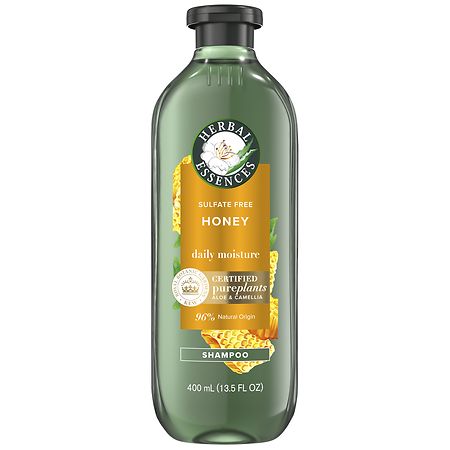

Herbal Essences Honey Sulfate Free Moisturizing Shampoo, For Dry Hair - 13.5 fl oz: Jasmin, Apricot Scent, Liquid Form, Paraben-Free
Analysis updated July 2026 · How Scout scores
At a glance
Summary
This shampoo is sulfate-free and paraben-free, which is beneficial for hair health. It contains several moisturizing and soothing ingredients like aloe vera, honey extract, and panthenol, which are advantageous for dry hair. However, the presence of synthetic fragrance and phenoxyethanol, which can cause irritation or allergic reactions, slightly detracts from its overall ingredient safety.
Key ingredients 27
sodium lauroyl methyl isethionateVery Good
Sodium lauroyl methyl isethionate is a gentle surfactant derived from coconut oil. It effectively cleanses the hair without stripping natural oils. It is considered mild and suitable for sensitive skin.
Risks
There are minimal risks associated with this ingredient, though some individuals may experience mild irritation.
Benefits
It provides gentle cleansing and is less likely to cause dryness or irritation compared to harsher surfactants.
glycerinGood
Glycerin is a humectant that attracts moisture to the hair and scalp. It helps maintain hydration and prevents dryness. It is widely used in hair care products for its moisturizing properties.
Risks
Overuse can lead to a sticky residue on hair, especially in humid conditions.
Benefits
Glycerin helps keep hair hydrated and can improve the overall texture and manageability of hair.
honey extract/extrait de mielGood
Honey extract is known for its moisturizing and soothing properties. It helps in retaining moisture in the hair and adds shine. It is a natural ingredient that is beneficial for dry hair.
Risks
There are minimal risks, though some individuals may be allergic to honey.
Benefits
Honey extract provides natural hydration and can improve the texture and appearance of hair.
aloe barbadensis leaf juiceGood
Aloe vera juice is known for its soothing and moisturizing properties. It helps in calming the scalp and providing hydration to the hair. It is a beneficial ingredient for maintaining healthy hair and scalp.
Risks
There are minimal risks, though some individuals may experience allergic reactions.
Benefits
Aloe vera juice helps soothe the scalp and provides moisture, improving hair health.
panthenolGood
Panthenol is a form of vitamin B5 that is used for its moisturizing and conditioning properties. It helps improve hair elasticity and shine. It is a beneficial ingredient for maintaining healthy hair.
Risks
There are minimal risks, though overuse can lead to buildup on hair.
Benefits
Panthenol helps improve hair texture, adds shine, and enhances moisture retention.
glycolic acidGood
Beneficial ingredient — whole-food or functional value in this product class.
Risks
Overuse can lead to irritation or dryness of the scalp.
Benefits
It helps exfoliate the scalp, promoting a healthier scalp environment.
niacinamideGood
Niacinamide is a form of vitamin B3 that is used for its anti-inflammatory and moisturizing properties. It helps improve scalp health and can enhance hair texture.
Risks
There are minimal risks, though some individuals may experience mild irritation.
Benefits
Niacinamide helps improve scalp health and can enhance the overall texture and appearance of hair.
citrus aurantium dulcis (orange) peel oilGood
Orange peel oil is used for its refreshing scent and potential antioxidant properties. It can help improve the scent profile of the product and provide some skin benefits.
Risks
There are minimal risks, though it can cause irritation in sensitive individuals.
Benefits
It provides a refreshing citrus scent and may offer antioxidant benefits.
water/eauNeutral
Water is a common solvent used in cosmetic formulations. It helps dissolve other ingredients and provides a base for the product. It does not have any direct benefits or risks associated with its use in shampoos.
Risks
There are no known risks associated with water in cosmetic products.
Benefits
Water acts as a solvent and helps in the even distribution of other ingredients.
cocamidopropyl betaineNeutral
Cocamidopropyl betaine is a surfactant and foam booster derived from coconut oil. It helps in cleansing and lathering. It is generally considered mild but can cause irritation in some individuals.
Risks
Some people may experience allergic reactions or irritation from this ingredient.
Benefits
It enhances the foaming properties of shampoos and provides a mild cleansing action.
disodium cocoamphodiacetateNeutral
Disodium cocoamphodiacetate is a mild surfactant used to reduce irritation potential of other surfactants. It is derived from coconut oil and is considered safe for most users.
Risks
There are minimal risks, though it can cause mild irritation in sensitive individuals.
Benefits
It helps in reducing the harshness of other surfactants and improves the overall mildness of the shampoo.
ecklonia radiata extractNeutral
Ecklonia radiata extract is derived from seaweed and is used for its antioxidant properties. It helps protect the hair from environmental damage. It is not widely studied in hair care products.
Risks
There are minimal known risks, though it may cause irritation in sensitive individuals.
Benefits
It may provide antioxidant benefits, helping to protect hair from damage.
trisodium ethylenediamine disuccinateNeutral
Trisodium ethylenediamine disuccinate is a chelating agent used to bind metal ions and improve product stability. It is considered safe for use in cosmetics.
Risks
There are minimal risks associated with this ingredient.
Benefits
It helps improve the stability and efficacy of the product by binding metal ions.
polyquaternium-10Neutral
Polyquaternium-10 is a conditioning agent that helps improve hair texture and manageability. It forms a film on the hair, providing smoothness and reducing static.
Risks
There are minimal risks, though it can cause buildup on hair with excessive use.
Benefits
It enhances hair smoothness and reduces static, improving manageability.
salicylic acidNeutral
Salicylic acid is used for its exfoliating properties, helping to remove dead skin cells from the scalp. It can be beneficial for those with dandruff or flaky scalp conditions.
Risks
Overuse can lead to dryness or irritation of the scalp.
Benefits
It helps exfoliate the scalp, reducing dandruff and promoting a healthier scalp environment.
polyquaternium-7Neutral
Polyquaternium-7 is a conditioning agent that helps improve hair texture and manageability. It provides a smooth feel and reduces static.
Risks
There are minimal risks, though it can cause buildup on hair with excessive use.
Benefits
It enhances hair smoothness and reduces static, improving manageability.
methyldihydrojasmonateNeutral
Methyldihydrojasmonate is a fragrance ingredient used to impart a jasmine-like scent. It is generally considered safe in cosmetic formulations.
Risks
There are minimal risks, though it can cause irritation in sensitive individuals.
Benefits
It provides a pleasant jasmine-like scent to the product.
hexyl salicylateNeutral
Hexyl salicylate is a fragrance ingredient used to impart a floral scent. It is generally considered safe in cosmetic formulations.
Risks
There are minimal risks, though it can cause irritation in sensitive individuals.
Benefits
It provides a pleasant floral scent to the product.
2-1-butylcyclohexyl acetateNeutral
2-1-butylcyclohexyl acetate is a fragrance ingredient used to impart a fruity scent. It is generally considered safe in cosmetic formulations.
Risks
There are minimal risks, though it can cause irritation in sensitive individuals.
Benefits
It provides a pleasant fruity scent to the product.
ethylene brassylateNeutral
Ethylene brassylate is a fragrance ingredient used to impart a musky scent. It is generally considered safe in cosmetic formulations.
Risks
There are minimal risks, though it can cause irritation in sensitive individuals.
Benefits
It provides a pleasant musky scent to the product.
hexyl cinnamalNeutral
Hexyl cinnamal is a fragrance ingredient used to impart a floral scent. It is generally considered safe in cosmetic formulations.
Risks
There are minimal risks, though it can cause irritation in sensitive individuals.
Benefits
It provides a pleasant floral scent to the product.
sodium benzoateBad
Synthetic preservative that can form benzene in the presence of vitamin C.
Risks
High concentrations can cause skin irritation, though it is typically used in safe amounts.
Benefits
It helps preserve the product and extend its shelf life by preventing microbial growth.
phenoxyethanolBad
Phenoxyethanol is a preservative used to prevent bacterial growth. It is effective but can cause irritation and allergic reactions in some individuals. It is often criticized for potential toxicity concerns.
Risks
Phenoxyethanol can cause skin irritation and allergic reactions, especially in sensitive individuals.
Benefits
It effectively preserves the product by preventing bacterial growth.
acrylates/c10-30 alkyl acrylate crosspolymerBad
Processed additive flagged under Scout's ingredient doctrine.
Risks
There are minimal risks, though it can cause irritation in sensitive individuals.
Benefits
It helps stabilize the product and improve its texture and consistency.
limoneneBad
Processed additive flagged under Scout's ingredient doctrine.
Risks
Limonene can cause skin irritation or allergic reactions in sensitive individuals.
Benefits
It provides a pleasant citrus scent to the product.
linaloolBad
Processed additive flagged under Scout's ingredient doctrine.
Risks
Linalool can cause skin irritation or allergic reactions in sensitive individuals.
Benefits
It provides a pleasant floral scent to the product.
fragrance/parfumVery Bad
Fragrance is used to impart a pleasant scent to the product. However, it can contain a mixture of undisclosed chemicals that may cause irritation or allergic reactions. It is often criticized for its lack of transparency.
Risks
Fragrance can cause skin irritation, allergic reactions, and may contain endocrine disruptors.
Benefits
It provides a pleasant scent to the product, enhancing user experience.
Get the full breakdown in the Scout appTake Scout shopping
Scan any product to see lab results, healthy alternatives, and your personalized analysis.
Download on theApp Store GET IT ONGoogle PlayAmazon pricing & content
Amazon price as of . Product prices and availability are accurate as of the date/time indicated and are subject to change. Any price and availability information displayed on Amazon.com at the time of purchase will apply to the purchase of this product.
CERTAIN CONTENT THAT APPEARS ON THIS SITE COMES FROM AMAZON. THIS CONTENT IS PROVIDED “AS IS” AND IS SUBJECT TO CHANGE OR REMOVAL AT ANY TIME.