
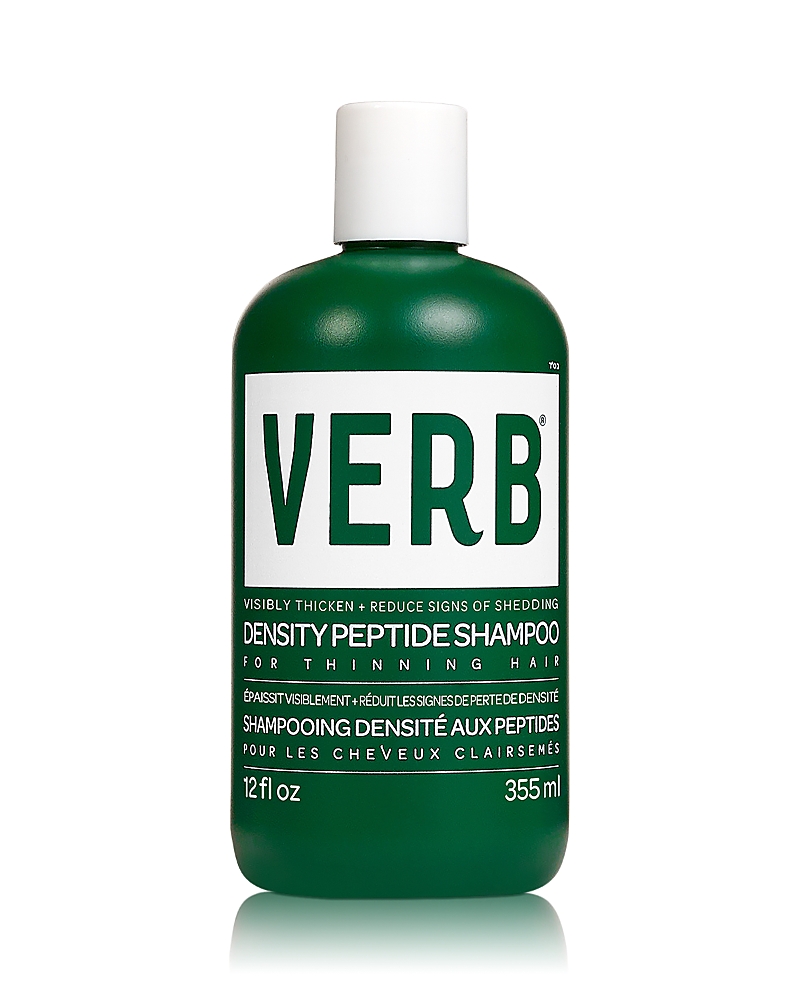

Verb Density Peptide Shampoo 12 oz.
Analysis updated August 2026 · How Scout scores
At a glance
Summary
This shampoo contains several beneficial ingredients such as argan oil, ginseng root extract, and mild surfactants like sodium lauroyl methyl isethionate, which are known for their gentle cleansing and nourishing properties. However, the presence of sodium C14-16 olefin sulfonate, a harsher surfactant, along with synthetic fragrance and phenoxyethanol, which can cause irritation, slightly detracts from its overall safety profile. The product is mostly clean but has some minor concerns due to these ingredients.
Key ingredients 39
Sodium Lauroyl Methyl IsethionateVery Good
A mild, sulfate-free surfactant derived from coconut oil, known for its gentle cleansing properties. It is less likely to cause irritation compared to traditional sulfates.
Risks
Generally considered safe with minimal risk of irritation.
Benefits
Provides a rich lather while being gentle on the scalp and hair.
Argania Spinosa (Argan) Kernel OilVery Good
Rich in essential fatty acids and vitamin E, argan oil is known for its moisturizing and nourishing properties. It helps to condition and soften hair, making it a popular ingredient in hair care products.
Risks
Generally safe, but may cause allergic reactions in individuals with nut allergies.
Benefits
Deeply conditions hair and adds shine.
Cocamidopropyl HydroxysultaineGood
A mild surfactant derived from coconut oil, it is used to enhance foam and improve the conditioning properties of shampoos. It is considered gentle on the skin and hair.
Risks
Rarely, it can cause allergic reactions in sensitive individuals.
Benefits
Provides gentle cleansing and helps maintain moisture balance.
Panax Ginseng Root ExtractGood
Ginseng extract is known for its antioxidant properties and ability to stimulate hair growth. It helps to improve the health of the scalp and hair.
Risks
Rarely, it may cause irritation in sensitive individuals.
Benefits
Promotes healthy hair growth and improves scalp health.
Scutellaria Baicalensis Root ExtractGood
This extract is valued for its anti-inflammatory and antioxidant properties. It helps to soothe the scalp and protect hair from environmental damage.
Risks
Generally safe, though it may cause irritation in very sensitive skin.
Benefits
Soothes the scalp and protects hair from oxidative stress.
Glycine Soja (Soybean) Germ ExtractGood
Soybean extract is rich in proteins and antioxidants, which help to strengthen and protect hair. It is often used to improve hair texture and resilience.
Risks
May cause allergic reactions in individuals with soy allergies.
Benefits
Strengthens hair and enhances its resilience.
Triticum Vulgare (Wheat) Germ ExtractGood
Wheat germ extract is a source of vitamins and minerals that nourish and strengthen hair. It is known for its conditioning properties and ability to improve hair texture.
Risks
May cause allergic reactions in individuals with wheat allergies.
Benefits
Nourishes and strengthens hair, improving its texture.
Biotinoyl Tripeptide-1Good
A peptide that is believed to strengthen hair and promote hair growth. It is often used in hair care products for its potential to improve hair density and health.
Risks
Generally considered safe with minimal risk of irritation.
Benefits
Strengthens hair and may promote hair growth.
Serenoa Serrulata Fruit ExtractGood
Also known as saw palmetto, this extract is used for its potential to reduce hair loss and improve scalp health. It is believed to inhibit the conversion of testosterone to DHT, a hormone linked to hair loss.
Risks
Generally safe, though it may cause mild irritation in sensitive individuals.
Benefits
May reduce hair loss and improve scalp health.
Apple Cider VinegarGood
Known for its ability to balance the scalp's pH and remove product buildup. It helps to clarify hair and enhance shine.
Risks
Can be drying if used in excess.
Benefits
Balances scalp pH and clarifies hair.
NiacinamideGood
A form of vitamin B3, niacinamide is known for its anti-inflammatory properties and ability to improve skin barrier function. It helps to soothe the scalp and promote healthy hair growth.
Risks
Generally considered safe with minimal risk of irritation.
Benefits
Soothes the scalp and promotes healthy hair growth.
ArginineGood
An amino acid that is believed to improve blood circulation to the scalp, promoting hair growth. It is often used in hair care products for its conditioning properties.
Risks
Generally considered safe with minimal risk of irritation.
Benefits
Promotes hair growth and conditions hair.
Sodium Cocoyl Hydrolyzed Pea ProteinGood
A gentle surfactant and conditioning agent derived from pea protein. It helps to strengthen hair and improve its texture.
Risks
Generally considered safe with minimal risk of irritation.
Benefits
Strengthens hair and improves texture.
GlycerinGood
A humectant that attracts moisture to the hair and scalp, helping to keep them hydrated. It is widely used in hair care products for its moisturizing properties.
Risks
Generally considered safe, though it can be sticky if used in excess.
Benefits
Keeps hair and scalp hydrated.
GluconolactoneGood
Beneficial ingredient — whole-food or functional value in this product class.
Risks
Generally considered safe, though it can cause irritation in very sensitive skin.
Benefits
Exfoliates the scalp and improves hair texture.
Aqua/Water/EauNeutral
Water is a universal solvent used as a base in many cosmetic products. It helps dissolve other ingredients and provides a medium for them to function. It is generally safe and non-reactive.
Risks
There are no significant risks associated with water in cosmetic formulations.
Benefits
Water hydrates and helps distribute other ingredients evenly.
Cocamidopropyl BetaineNeutral
Standard formulation ingredient — neither beneficial nor harmful at typical use.
Risks
May cause mild irritation in some individuals with very sensitive skin.
Benefits
Enhances foam and provides conditioning benefits.
PropanediolNeutral
A glycol used as a solvent and humectant in cosmetic formulations. It helps to improve the texture and spreadability of products.
Risks
Generally considered safe, though it can cause irritation in very sensitive skin.
Benefits
Helps to retain moisture and improve product feel.
EthylhexylglycerinNeutral
A conditioning agent and preservative enhancer used in cosmetic formulations. It helps to improve the texture and feel of products.
Risks
Generally considered safe, though it may cause irritation in very sensitive skin.
Benefits
Enhances product texture and feel.
Polyquaternium-73Neutral
A conditioning polymer used to improve the texture and manageability of hair. It helps to reduce static and frizz.
Risks
Generally considered safe, though it may cause buildup with excessive use.
Benefits
Improves hair texture and reduces frizz.
Hydroxypropyl Starch PhosphateNeutral
A modified starch used as a thickening agent in cosmetic formulations. It helps to improve the texture and stability of products.
Risks
Generally considered safe with minimal risk of irritation.
Benefits
Improves product texture and stability.
Acrylates/Beheneth-25 Methacrylate CopolymerNeutral
A film-forming agent used to improve the texture and hold of hair styling products. It helps to provide a smooth finish.
Risks
Generally considered safe, though it may cause buildup with excessive use.
Benefits
Provides a smooth finish and improves product hold.
Lactic AcidNeutral
Standard formulation ingredient — neither beneficial nor harmful at typical use.
Risks
Can cause irritation if used in high concentrations.
Benefits
Exfoliates the scalp and improves hair texture.
Trisodium Ethylenediamine DisuccinateNeutral
A chelating agent used to improve the stability and efficacy of cosmetic formulations. It helps to bind metal ions and prevent discoloration.
Risks
Generally considered safe with minimal risk of irritation.
Benefits
Improves product stability and prevents discoloration.
Guar Hydroxypropyltrimonium ChlorideNeutral
A conditioning agent derived from guar gum, used to improve the texture and manageability of hair. It helps to reduce static and frizz.
Risks
Generally considered safe, though it may cause buildup with excessive use.
Benefits
Improves hair texture and reduces frizz.
Butylene GlycolNeutral
A solvent and humectant used to improve the texture and spreadability of cosmetic formulations. It helps to retain moisture in the hair and scalp.
Risks
Generally considered safe, though it can cause irritation in very sensitive skin.
Benefits
Retains moisture and improves product spreadability.
1,2-HexanediolNeutral
A solvent and preservative used to improve the stability and efficacy of cosmetic formulations. It helps to enhance the texture and feel of products.
Risks
Generally considered safe with minimal risk of irritation.
Benefits
Enhances product stability and texture.
Calcium GluconateNeutral
A mineral supplement used to improve the stability and efficacy of cosmetic formulations. It helps to enhance the texture and feel of products.
Risks
Generally considered safe with minimal risk of irritation.
Benefits
Enhances product stability and texture.
Sodium HydroxideNeutral
A pH adjuster used to balance the acidity of cosmetic formulations. It helps to improve the stability and efficacy of products.
Risks
Can be irritating in high concentrations.
Benefits
Balances pH and improves product stability.
HydroxyacetophenoneNeutral
An antioxidant and preservative used to improve the stability and efficacy of cosmetic formulations. It helps to protect products from oxidative damage.
Risks
Generally considered safe with minimal risk of irritation.
Benefits
Protects products from oxidative damage.
Hexyl CinnamalNeutral
A fragrance component used to impart a floral scent to cosmetic products. It is generally considered safe but can be an allergen for some individuals.
Risks
May cause allergic reactions in sensitive individuals.
Benefits
Provides a floral scent.
Linalyl AcetateNeutral
A fragrance component used to impart a floral scent to cosmetic products. It is generally considered safe but can be an allergen for some individuals.
Risks
May cause allergic reactions in sensitive individuals.
Benefits
Provides a floral scent.
Sodium C14-16 Olefin SulfonateBad
This is a surfactant used for its cleansing properties. It can be harsh and strip natural oils from the hair and scalp. It is often considered a less gentle alternative to sulfate-free surfactants.
Risks
May cause dryness and irritation for sensitive scalps.
Benefits
Effectively removes dirt and oil from hair.
Sodium BenzoateBad
Synthetic preservative that can form benzene in the presence of vitamin C.
Risks
Generally considered safe, though it can cause irritation in very sensitive skin.
Benefits
Prevents microbial growth and extends shelf life.
PhenoxyethanolBad
A preservative used to prevent microbial growth in cosmetic formulations. It has been associated with skin irritation and allergic reactions in some individuals.
Risks
May cause skin irritation or allergic reactions.
Benefits
Prevents microbial growth and extends shelf life.
Potassium SorbateBad
Synthetic preservative — flagged in daily-use products.
Risks
Generally considered safe, though it can cause irritation in very sensitive skin.
Benefits
Prevents microbial growth and extends shelf life.
LimoneneBad
Processed additive flagged under Scout's ingredient doctrine.
Risks
May cause allergic reactions in sensitive individuals.
Benefits
Provides a fresh citrus scent.
LinaloolBad
Processed additive flagged under Scout's ingredient doctrine.
Risks
May cause allergic reactions in sensitive individuals.
Benefits
Provides a floral scent.
Parfum/FragranceVery Bad
Synthetic fragrances are used to impart scent to cosmetic products. They can contain a variety of undisclosed chemicals, some of which may cause irritation or allergic reactions.
Risks
May cause skin irritation or allergic reactions.
Benefits
Provides a pleasant scent to the product.
Get the full breakdown in the Scout appTake Scout shopping
Scan any product to see lab results, healthy alternatives, and your personalized analysis.
Download on theApp Store GET IT ONGoogle PlayAmazon pricing & content
Amazon price as of . Product prices and availability are accurate as of the date/time indicated and are subject to change. Any price and availability information displayed on Amazon.com at the time of purchase will apply to the purchase of this product.
CERTAIN CONTENT THAT APPEARS ON THIS SITE COMES FROM AMAZON. THIS CONTENT IS PROVIDED “AS IS” AND IS SUBJECT TO CHANGE OR REMOVAL AT ANY TIME.