



At a glance
Summary
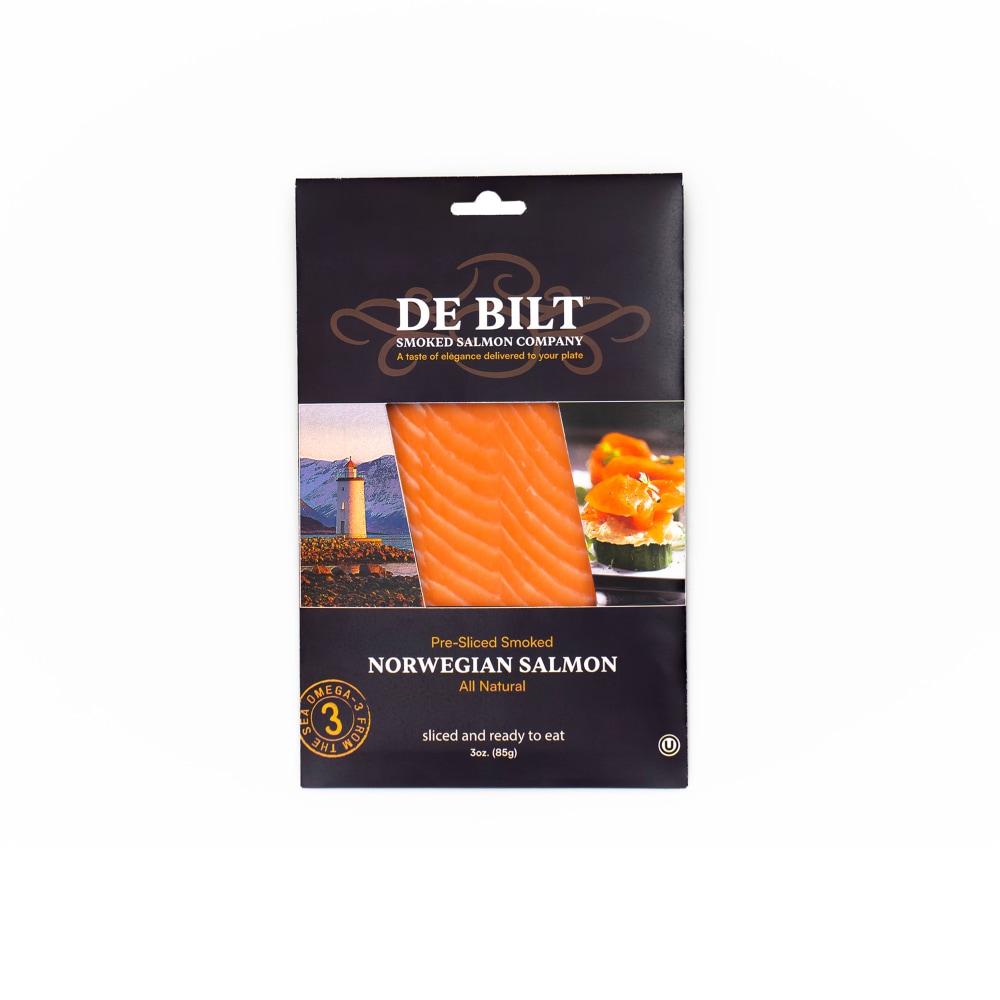
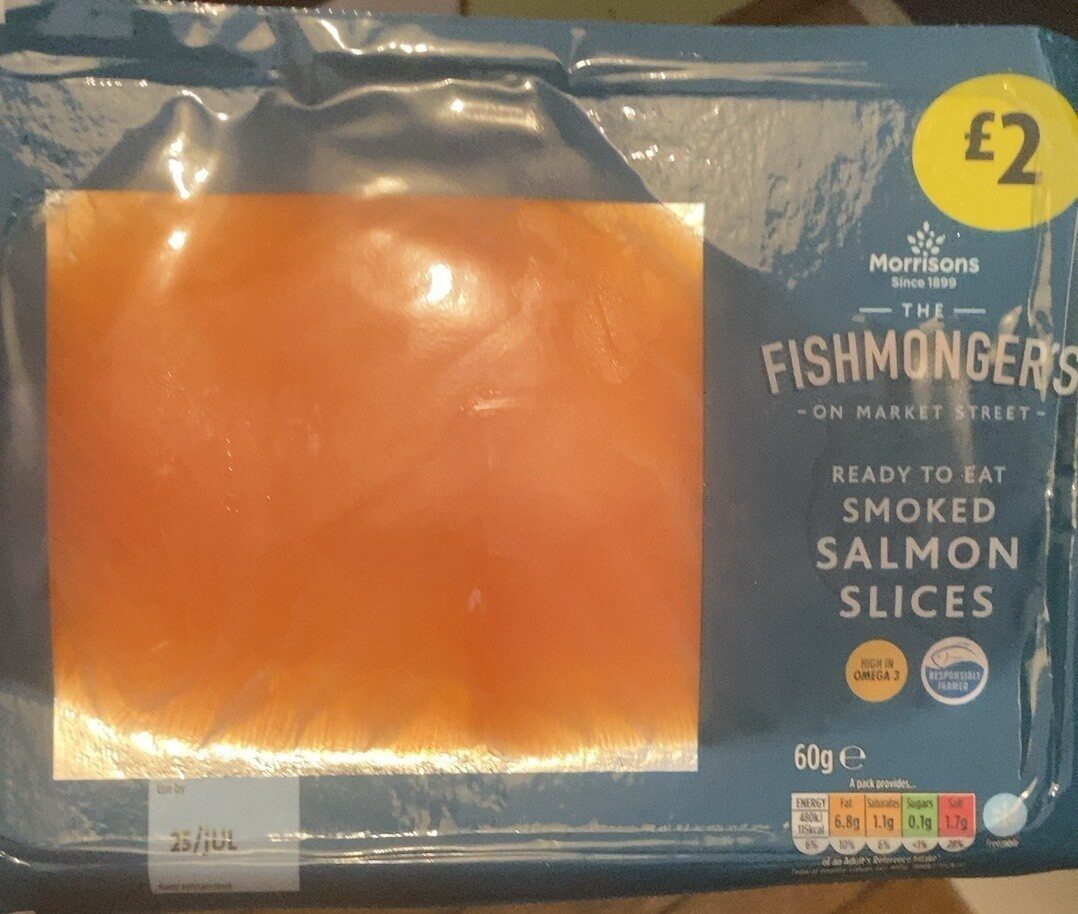
This smoked salmon product is a processed food, which limits its potential score. It contains high-quality Atlantic salmon, providing beneficial omega-3 fatty acids and protein. However, the use of garlic salt contributes to a high sodium content, which can be a concern for those monitoring their salt intake. The processing level and sodium content are key factors influencing the rating.
Key ingredients 4
Atlantic salmonGood
Atlantic salmon is a high-quality source of protein and omega-3 fatty acids, which are beneficial for heart health. It is a nutrient-dense food that provides essential vitamins and minerals. The fish is typically farmed, which may raise concerns about sustainability and environmental impact.
Risks
Potential concerns include environmental impact from farming practices and possible contamination with pollutants.
Benefits
Rich in omega-3 fatty acids that support cardiovascular health and provide anti-inflammatory benefits.
Dark brown sugarNeutral
Dark brown sugar is a refined sugar with molasses content, providing a distinct flavor. It is used primarily for taste enhancement in foods. While it adds sweetness, it does not offer significant nutritional benefits.
Risks
Excessive consumption of refined sugars can contribute to health issues such as obesity and dental cavities.
Benefits
Provides a unique flavor profile that can enhance the taste of foods, but offers no significant nutritional benefits.
SaltNeutral
Salt is used as a preservative and flavor enhancer in foods. It is essential for maintaining fluid balance and nerve function in the body. However, excessive intake can lead to health issues such as hypertension.
Risks
High sodium intake is associated with increased risk of hypertension and cardiovascular diseases.
Benefits
Essential for maintaining electrolyte balance and proper muscle function.
Garlic saltBad
Garlic salt is a blend of garlic powder and salt, used to add flavor to foods. While garlic has health benefits, the high salt content can contribute to excessive sodium intake. It is a processed seasoning that may not provide the full benefits of fresh garlic.
Risks
High sodium content can contribute to hypertension and cardiovascular issues if consumed in excess.
Benefits
Garlic component may offer some antimicrobial and cardiovascular benefits, but these are limited by the high salt content.
Processing
Processed Foods
Get the full breakdown in the Scout appTake Scout shopping
Scan any product to see lab results, healthy alternatives, and your personalized analysis.
Download on theApp Store GET IT ONGoogle Play