



At a glance
Summary
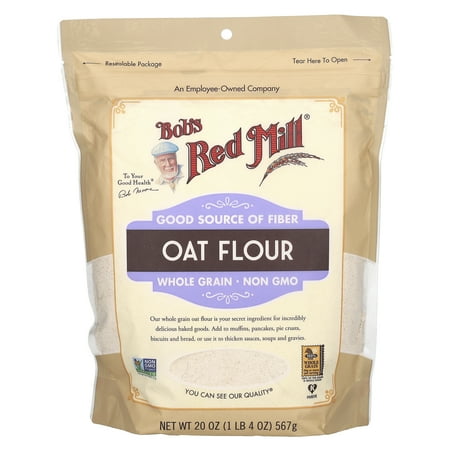
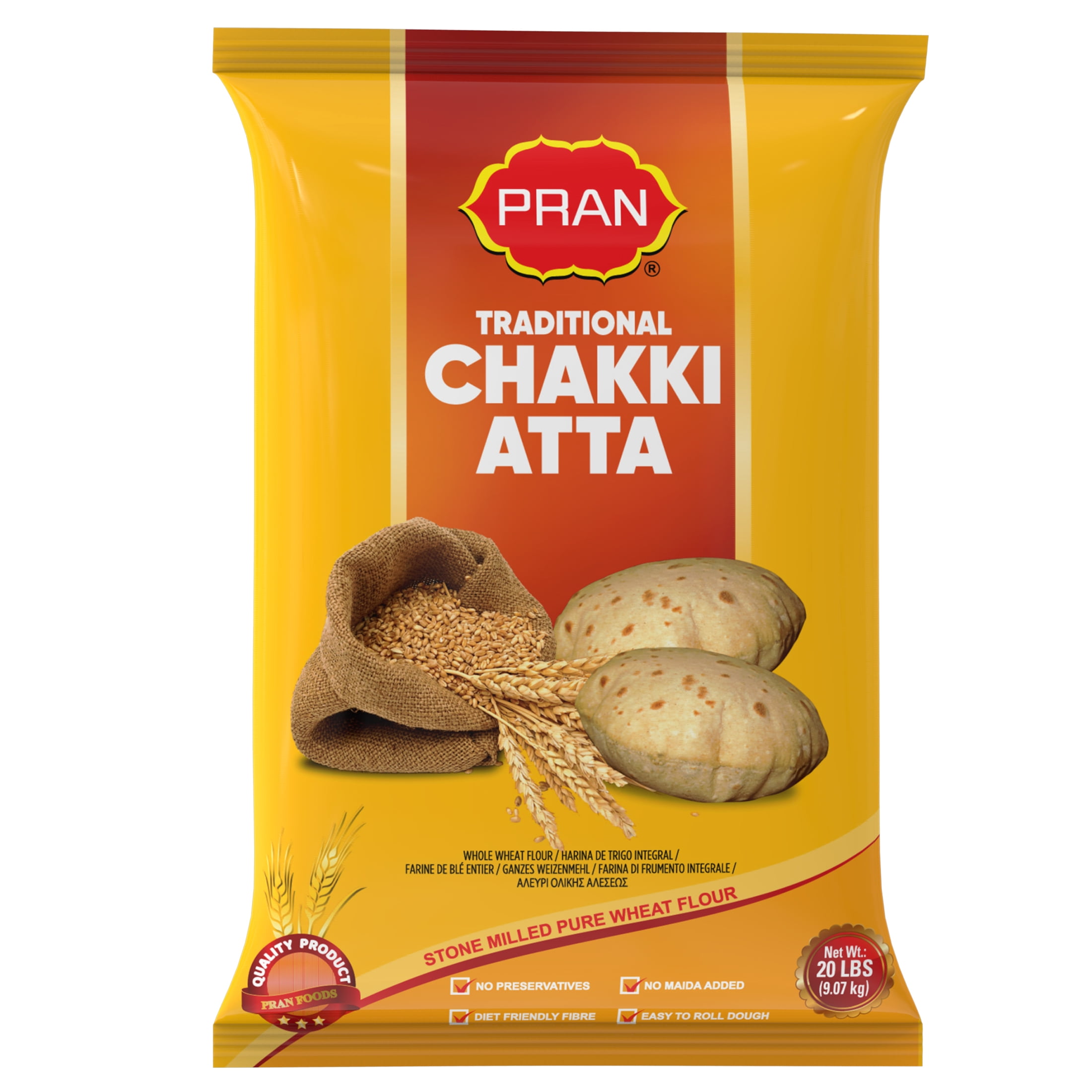
This plain flour is minimally processed and fortified with essential nutrients such as calcium, iron, niacin, and thiamin, which enhance its nutritional profile. The fortification addresses common deficiencies and supports overall health, while the absence of harmful additives or excessive processing contributes to its high rating.
Key ingredients 5
IronGood
Iron fortification helps prevent iron deficiency anemia, a common nutritional concern. It is essential for oxygen transport in the blood and energy metabolism. Fortified iron is bioavailable and effective in improving iron status.
Risks
Excessive iron intake can cause gastrointestinal issues and, in severe cases, toxicity, but this is rare from dietary sources.
Benefits
Supports the production of hemoglobin and myoglobin, crucial for oxygen transport and muscle function.
Niacin (B3)Good
Niacin is a B vitamin important for energy metabolism and DNA repair. Fortification helps prevent deficiencies, especially in populations with limited dietary variety. It is water-soluble, reducing the risk of toxicity from food sources.
Risks
High doses from supplements can cause flushing and liver damage, but this is not a concern with fortified foods.
Benefits
Supports energy production and maintains healthy skin and nerves.
Thiamin (B1)Good
Thiamin is essential for carbohydrate metabolism and nerve function. Fortification helps prevent deficiencies, particularly in diets high in refined grains. It is crucial for converting nutrients into energy.
Benefits
Supports energy metabolism and is vital for proper nerve and muscle function.
Calcium CarbonateNeutral
Standard formulation ingredient — neither beneficial nor harmful at typical use.
Risks
Excessive intake can lead to hypercalcemia, but this is unlikely from fortified foods alone.
Benefits
Helps to meet daily calcium requirements, supporting bone and dental health.
Wheat FlourBad
Refined grain flour stripped of bran and germ.
Risks
Contains gluten, which can cause adverse reactions in individuals with celiac disease or gluten sensitivity.
Benefits
Provides a source of energy through carbohydrates and contains some protein, supporting basic dietary needs.
Processing
Unprocessed or Minimally Processed Foods
Get the full breakdown in the Scout appTake Scout shopping
Scan any product to see lab results, healthy alternatives, and your personalized analysis.
Download on theApp Store GET IT ONGoogle Play