


Near you
Aldi is carried at Aldi stores. Find one within 25 miles.
At a glance
Summary
This product contains a mix of beneficial ingredients like Atlantic salmon, pollock, and cod, which are good sources of protein and omega-3 fatty acids. However, it also includes processed elements such as surimi, mayo, and bread crumbs, which contribute to its processed nature. The presence of sugar as an additive further impacts its healthiness, and the overall processing level limits its score.
Key ingredients 20
Atlantic salmonVery Good
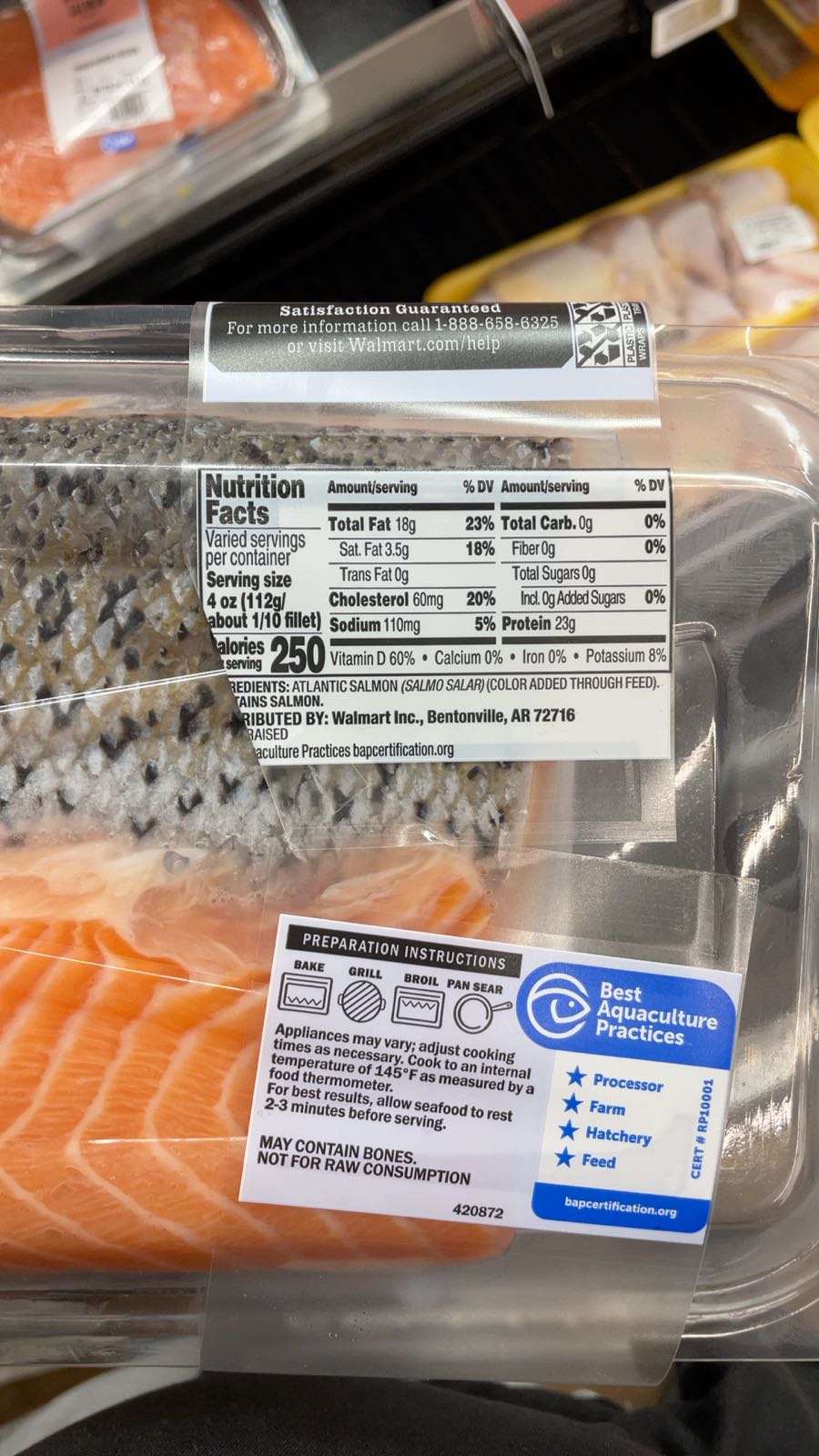
Atlantic salmon is a rich source of high-quality protein and omega-3 fatty acids. These nutrients are essential for heart health and brain function. Wild-caught varieties are preferred for their lower contaminant levels.
Risks
Potential risk of contaminants such as PCBs and dioxins, especially in farmed salmon.
Benefits
Provides essential omega-3 fatty acids that support cardiovascular health and reduce inflammation.
PollockGood
Pollock is a lean fish that provides a good source of protein and essential nutrients. It is often used in processed seafood products like surimi. Sustainable fishing practices make it an environmentally friendly choice.
Benefits
Rich in protein and low in fat, making it a healthy choice for lean protein intake.
CodGood
Cod is a low-fat source of protein and provides essential vitamins and minerals. It is commonly used in various culinary applications due to its mild flavor. Sustainable sourcing is important to prevent overfishing.
Benefits
Provides lean protein and is a good source of vitamins B6 and B12.
WhitingGood
Whiting is a white fish that offers a good source of protein and is low in fat. It is often used in fish products due to its mild taste and texture. Sustainable fishing practices are crucial for maintaining fish populations.
Benefits
Provides lean protein and is low in calories, making it suitable for weight management.
OnionsGood
Onions are a flavorful vegetable that contain antioxidants and compounds with anti-inflammatory properties. They are low in calories and add depth to dishes. Raw or cooked, they offer health benefits.
Benefits
Rich in antioxidants and may support heart health.
Red bell peppersGood
Red bell peppers are rich in vitamins A and C, providing antioxidant benefits. They add color and flavor to dishes while being low in calories. Their high vitamin C content supports immune function.
Benefits
High in vitamins A and C, supporting immune health and vision.
Green bell peppersGood
Green bell peppers are a good source of vitamins C and K, offering antioxidant and anti-inflammatory benefits. They are low in calories and add a crisp texture to dishes. Their nutrient profile supports overall health.
Benefits
Rich in vitamin C, supporting immune health and reducing inflammation.
LobsterGood
Lobster is a high-protein seafood that provides essential nutrients like zinc and vitamin B12. It is low in fat and calories, making it a healthy choice. Sustainable sourcing is important to prevent overfishing.
Risks
Potential allergen for some individuals.
Benefits
Rich in protein and essential nutrients, supporting overall health.
EggsGood
Eggs are a nutrient-dense food providing high-quality protein and essential vitamins and minerals. They contain choline, which is important for brain health. Pasture-raised eggs offer higher omega-3 content.
Risks
Potential allergen for some individuals.
Benefits
Rich in protein and nutrients, supporting muscle and brain health.
SurimiNeutral
Surimi is a processed seafood product made from fish paste, often used as a crab substitute. It is low in fat but may contain additives and flavorings. The nutritional value depends on the quality of the fish used.
Risks
May contain additives and flavorings that could be of concern for some individuals.
Benefits
Provides a low-fat protein option, often used in seafood dishes.
MayoNeutral
Mayo is an emulsion of oil, egg yolk, and acid, commonly used as a condiment. It is high in fat and calories, which can contribute to weight gain if consumed in excess. Quality varies based on the type of oil used.
Risks
High in calories and fat, which can contribute to weight gain if consumed in large amounts.
Benefits
Provides a creamy texture and flavor to dishes.
Bread crumbsNeutral
Bread crumbs are made from dried bread and are used as a coating or filler in recipes. They add texture but are low in nutritional value. Whole grain options are preferable for added fiber.
Risks
May contain gluten, which is a concern for individuals with celiac disease or gluten sensitivity.
Benefits
Adds texture and bulk to recipes.
RiceNeutral
Rice is a staple carbohydrate source that provides energy. It is low in fat and can be a part of a balanced diet. Whole grain varieties offer more fiber and nutrients compared to white rice.
Benefits
Provides a source of carbohydrates for energy.
CheeseNeutral
Cheese is a dairy product that provides calcium and protein. It is high in saturated fat and calories, which can impact heart health if consumed in excess. Quality varies based on the type of milk and processing.
Risks
High in saturated fat, which may impact heart health if consumed in large amounts.
Benefits
Provides calcium and protein, supporting bone health.
SaltNeutral
Salt is used to enhance flavor and preserve food. It is essential for bodily functions but should be consumed in moderation to avoid high blood pressure. The type of salt used can affect its mineral content.
Risks
Excessive intake can lead to high blood pressure and cardiovascular issues.
Benefits
Essential for maintaining fluid balance and nerve function.
Hardwood smokeNeutral
Hardwood smoke is used to impart a smoky flavor to foods. It is a natural method of flavoring but does not contribute significant nutritional value. The type of wood used can affect the flavor profile.
Benefits
Adds a distinctive smoky flavor to foods.
WheatNeutral
Wheat is a staple grain that provides carbohydrates and some protein. Whole wheat options offer more fiber and nutrients compared to refined wheat. It is a common allergen for those with gluten intolerance.
Risks
Contains gluten, which is a concern for individuals with celiac disease or gluten sensitivity.
Benefits
Provides energy and is a source of dietary fiber when consumed as whole wheat.
DairyNeutral
Dairy products provide calcium, protein, and other essential nutrients. They are beneficial for bone health but can be high in saturated fat. Lactose intolerance is a concern for some individuals.
Risks
May cause digestive issues for those with lactose intolerance.
Benefits
Provides calcium and protein, supporting bone health.
SoybeanNeutral
Soybeans are a source of plant-based protein and contain isoflavones, which have potential health benefits. They are used in various forms, including whole beans and processed products. Quality varies based on processing and sourcing.
Risks
May cause allergic reactions in some individuals.
Benefits
Rich in protein and contains beneficial isoflavones.
SugarBad
Sugar is a simple carbohydrate that provides quick energy but lacks nutritional value. Excessive consumption can lead to weight gain and increased risk of chronic diseases. It is often added to enhance flavor.
Risks
High intake is associated with obesity, type 2 diabetes, and dental cavities.
Benefits
Provides quick energy but should be limited in a balanced diet.
Processing
Processed Foods
Get the full breakdown in the Scout appTake Scout shopping
Scan any product to see lab results, healthy alternatives, and your personalized analysis.
Download on theApp Store GET IT ONGoogle Play