

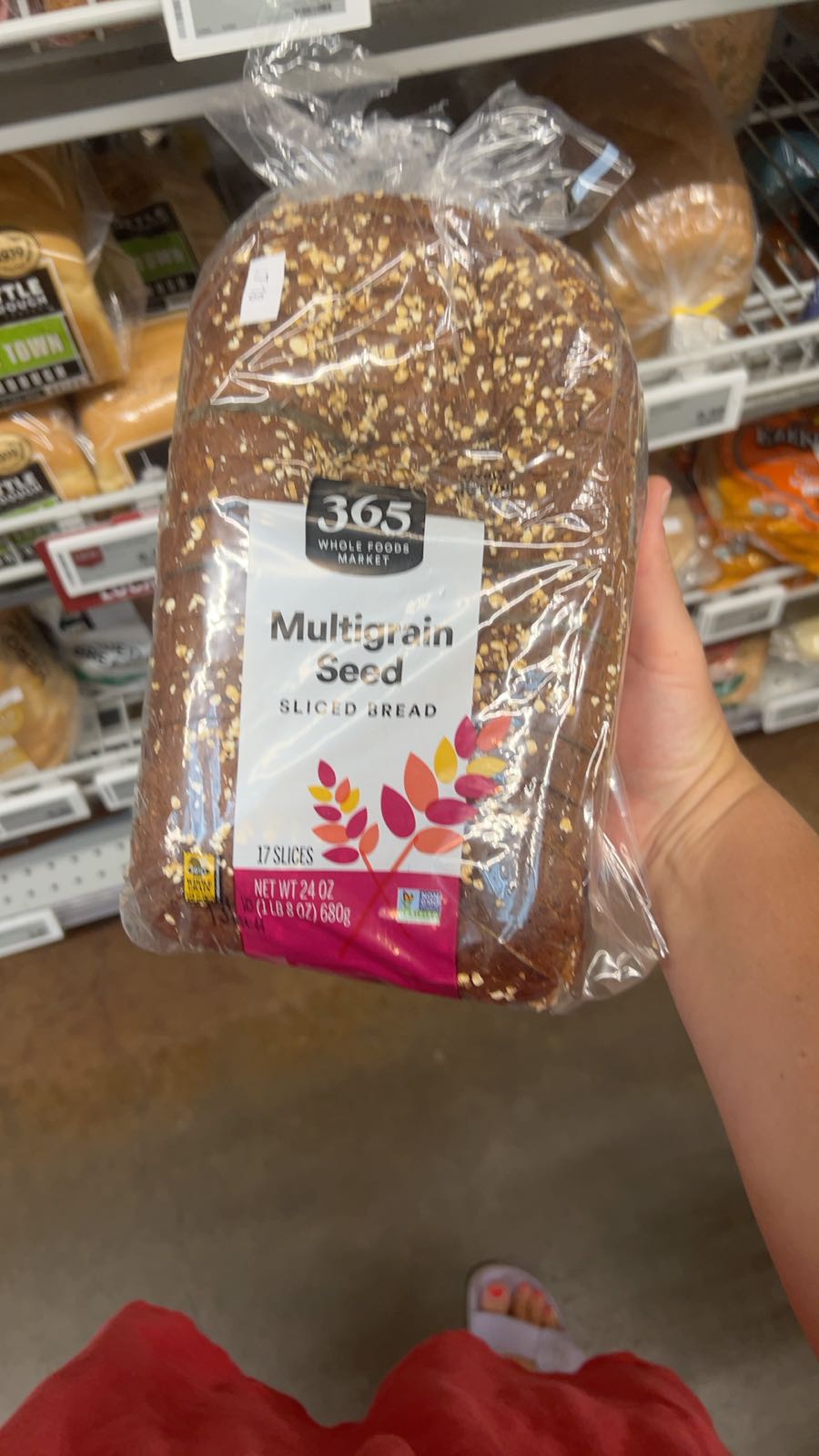


SUNFLOWER SEED & SPELT SLICED TOASTING LOAF
Analysis updated July 2026 · How Scout scores
At a glance
Summary
This bread contains beneficial sunflower seeds, which provide healthy fats and nutrients. However, it is a processed product with fortified ingredients and a moderate level of processing. The absence of harmful additives like seed oils or artificial sweeteners is positive, but the processing level limits its score.
Key ingredients 9
Sunflower SeedsGood
Sunflower seeds are a nutritious addition, providing healthy fats, protein, and essential nutrients. They are rich in vitamin E and magnesium, supporting heart health and reducing inflammation. Their inclusion enhances the nutritional profile of the bread.
Risks
May cause allergic reactions in individuals with seed allergies.
Benefits
Rich in healthy fats, vitamin E, and magnesium, supporting heart health and reducing inflammation.
WheatflourNeutral
Wheatflour is a staple ingredient in bread, providing structure and texture. It is a refined grain, which means it lacks some nutrients found in whole grains. While it is a common ingredient, it does not offer significant health benefits.
Risks
May cause allergic reactions in individuals with gluten intolerance or celiac disease.
Benefits
Provides carbohydrates for energy but lacks the fiber and nutrients of whole grains.
WaterNeutral
Water is a basic ingredient used to hydrate and bind the dough. It is essential for the baking process but does not contribute any nutritional value. Its presence is necessary for the texture and consistency of the bread.
See more about Water →Wildfarmed WheatflourNeutral
Wildfarmed wheatflour is a type of wheat flour that may be grown using sustainable practices. It is similar to regular wheatflour in terms of nutritional content. The sustainability aspect may appeal to environmentally conscious consumers.
Risks
May cause allergic reactions in individuals with gluten intolerance or celiac disease.
Benefits
Potentially grown using sustainable practices, which may benefit the environment.
SpeltNeutral
Spelt is an ancient grain that is similar to wheat but may be easier to digest for some individuals. It contains more protein and fiber than regular wheatflour. However, it still contains gluten and may not be suitable for those with gluten sensitivities.
Risks
Contains gluten, which may cause issues for those with gluten intolerance or celiac disease.
Benefits
Higher in protein and fiber compared to regular wheatflour, potentially aiding digestion.
SaltNeutral
Salt is used to enhance flavor and control yeast activity in bread. It is a common ingredient in baking but does not provide nutritional benefits. Excessive consumption of salt can lead to health issues such as high blood pressure.
Risks
Excessive salt intake can contribute to high blood pressure and cardiovascular issues.
Benefits
Enhances flavor and helps control yeast activity in the dough.
Malted WheatflourNeutral
Malted wheatflour is used to improve the flavor and color of bread. It is made by sprouting wheat grains, which can enhance the sweetness and aroma. While it adds flavor, it does not significantly alter the nutritional profile.
Risks
Contains gluten, which may cause issues for those with gluten intolerance or celiac disease.
Benefits
Enhances flavor and color of the bread, adding a subtle sweetness.
Fermented WheatflourNeutral
Fermented wheatflour is used to improve the texture and flavor of bread. The fermentation process can enhance digestibility and flavor. It is a traditional method that can add complexity to the bread's taste.
Risks
Contains gluten, which may cause issues for those with gluten intolerance or celiac disease.
Benefits
Fermentation can improve digestibility and add complexity to the flavor.
Vitamin D YeastNeutral
Vitamin D yeast is used to fortify bread with vitamin D, which is important for bone health. It is a functional ingredient that adds nutritional value without altering the taste. The fortification helps address common vitamin D deficiencies.
Benefits
Fortifies the bread with vitamin D, supporting bone health and addressing deficiencies.
Processing
Processed Foods
Get the full breakdown in the Scout appTake Scout shopping
Scan any product to see lab results, healthy alternatives, and your personalized analysis.
Download on theApp Store GET IT ONGoogle Play