


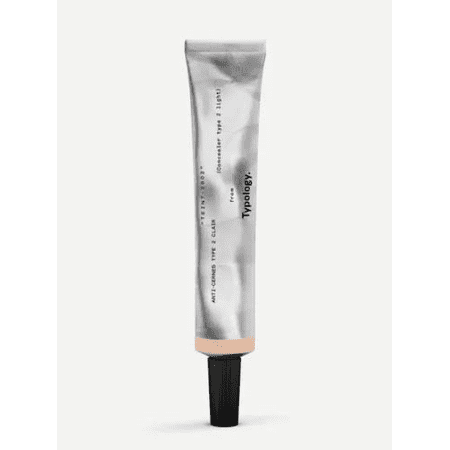


ChanelLe Correcteur De Chanel Longwear Concealer - # BR132 7.5g/0.26oz
Analysis updated September 2026 · How Scout scores
At a glance
Summary
This concealer contains beneficial ingredients like glycerin, sodium PCA, and tocopherol, which provide hydration and antioxidant protection. However, it also includes phenoxyethanol, a preservative that can cause irritation in some individuals, and alcohol, which may be drying. The presence of synthetic polymers and a moderate level of processing slightly impacts its overall safety profile.
Key ingredients 5
TocopherolVery Good
Tocopherol, or Vitamin E, is an antioxidant that helps protect the skin from free radical damage. It is commonly used in skincare for its nourishing and protective properties. It is considered safe and beneficial for most skin types.
Risks
In rare cases, it can cause skin irritation or allergic reactions.
Benefits
It provides antioxidant protection and supports skin health.
GlycerinGood
Glycerin is a humectant that attracts moisture to the skin, helping to keep it hydrated. It is widely used in skincare products for its moisturizing properties. It is considered safe and beneficial for most skin types.
Risks
There are minimal risks associated with glycerin, though it can be sticky in high concentrations.
Benefits
It helps maintain skin hydration and improves skin barrier function.
Sodium PCAGood
Sodium PCA is a naturally occurring humectant derived from amino acids. It is highly effective at binding moisture to the skin, making it a popular ingredient in moisturizing products. It is considered safe and beneficial for skin hydration.
Risks
There are minimal risks associated with Sodium PCA, as it is generally well-tolerated.
Benefits
It enhances skin moisture retention and improves skin texture.
CyclohexasiloxaneNeutral
Cyclohexasiloxane is a type of silicone used to improve the texture and spreadability of products. It is generally considered safe for use in cosmetics. However, it is a volatile silicone that can evaporate quickly.
Risks
There are environmental concerns regarding its persistence and bioaccumulation.
Benefits
It provides a smooth application and helps to temporarily fill in fine lines.
PhenoxyethanolBad
Phenoxyethanol is a preservative used to prevent microbial growth in cosmetics. It is considered a safer alternative to parabens but can cause irritation in some individuals. It is generally used in low concentrations to minimize risks.
Risks
Potential risks include skin irritation and allergic reactions, especially in sensitive individuals.
Benefits
It effectively preserves the product, extending its shelf life and preventing contamination.
Get the full breakdown in the Scout appTake Scout shopping
Scan any product to see lab results, healthy alternatives, and your personalized analysis.
Download on theApp Store GET IT ONGoogle Play