


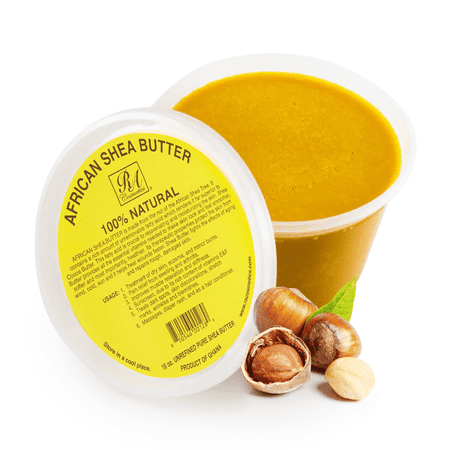
L'Occitane Shea Butter Foot Cream, Dry Skin, 1 Oz
Analysis updated August 2026 · How Scout scores
At a glance
Summary
This foot cream contains several beneficial ingredients such as shea butter, sunflower seed oil, and coconut oil, which are known for their moisturizing and protective properties. However, the presence of phenoxyethanol and unspecified fragrance, which can cause irritation and allergic reactions, lowers the overall safety profile. The product is moderately processed, which also impacts its rating.
Key ingredients 29
Butyrospermum Parkii (Shea) ButterVery Good
Shea butter is a natural fat extracted from the nuts of the shea tree. It is known for its moisturizing and anti-inflammatory properties. It is highly beneficial for dry skin.
Risks
Rare allergic reactions in individuals with nut allergies.
Benefits
Excellent moisturizer that helps to soothe and hydrate dry skin.
Helianthus Annuus (Sunflower) Seed OilVery Good
Sunflower seed oil is rich in vitamins A, D, and E, and is known for its emollient properties. It helps to moisturize and protect the skin barrier. It is beneficial for maintaining healthy skin.
Risks
May cause allergic reactions in individuals with sunflower allergies.
Benefits
Nourishes and hydrates the skin, providing essential fatty acids.
Cocos Nucifera (Coconut) OilVery Good
Coconut oil is a natural emollient that helps to moisturize and protect the skin. It is rich in fatty acids and has antimicrobial properties. It is highly beneficial for dry and sensitive skin.
Risks
May cause breakouts in acne-prone skin due to its comedogenic nature.
Benefits
Deeply moisturizes and nourishes the skin.
TocopherolVery Good
Tocopherol, or Vitamin E, is a powerful antioxidant that helps to protect the skin from free radical damage. It is known for its moisturizing and anti-aging properties. It is beneficial for maintaining healthy and youthful skin.
Risks
Rare allergic reactions in sensitive individuals.
Benefits
Protects the skin from oxidative stress and helps to maintain skin health.
PanthenolVery Good
Panthenol, or Provitamin B5, is known for its moisturizing and soothing properties. It helps to improve skin hydration and reduce inflammation. It is beneficial for maintaining healthy and hydrated skin.
Risks
Generally safe, but may cause irritation in very sensitive skin.
Benefits
Enhances skin hydration and soothes irritated skin.
GlycerinGood
Glycerin is a humectant that attracts moisture to the skin. It helps to maintain skin hydration and improve skin barrier function. It is widely used in skincare for its moisturizing properties.
Risks
Generally safe, but can cause irritation in very sensitive skin.
Benefits
Helps to keep the skin hydrated and soft.
Lavandula Angustifolia (Lavender) OilGood
Lavender oil is known for its calming and soothing properties. It has antimicrobial and anti-inflammatory effects, which can benefit the skin. It is often used for its pleasant fragrance and therapeutic benefits.
Risks
Potential for skin irritation or allergic reactions in sensitive individuals.
Benefits
Provides a calming effect and can help soothe irritated skin.
Heterotheca Inuloides Flower ExtractGood
This extract is known for its anti-inflammatory and antioxidant properties. It helps to soothe and protect the skin from environmental stressors. It is beneficial for maintaining healthy skin.
Risks
Rare allergic reactions in sensitive individuals.
Benefits
Helps to calm and protect the skin.
Aqua/WaterNeutral
Water is a common solvent used in cosmetics to dissolve other ingredients. It helps in the application and absorption of the product. It does not provide any direct benefits or risks.
Benefits
No direct benefits, but it aids in the formulation of the product.
Tapioca StarchNeutral
Tapioca starch is used as a thickening agent in cosmetics. It helps to improve the texture and feel of the product. It does not provide direct skin benefits.
Benefits
Improves the texture and application of the product.
Glyceryl Stearate SENeutral
Glyceryl Stearate SE is an emulsifier that helps to blend water and oils in formulations. It improves the consistency and stability of the product. It does not provide direct skin benefits.
Risks
Generally considered safe with low risk of irritation.
Benefits
Enhances the texture and stability of the product.
OctyldodecanolNeutral
Octyldodecanol is a fatty alcohol used as an emollient and thickener in cosmetics. It helps to improve the texture and feel of the product. It does not provide direct skin benefits.
Risks
Low risk of irritation or allergic reactions.
Benefits
Improves the texture and application of the product.
Hydroxyethyl Acrylate/Sodium Acryloyldimethyl Taurate CopolymerNeutral
This copolymer is used as a thickening agent and stabilizer in cosmetics. It helps to improve the texture and consistency of the product. It does not provide direct skin benefits.
Risks
Generally considered safe with low risk of irritation.
Benefits
Enhances the texture and stability of the product.
Sodium Stearoyl GlutamateNeutral
Sodium stearoyl glutamate is an emulsifier used to blend ingredients in formulations. It helps to improve the texture and stability of the product. It does not provide direct skin benefits.
Risks
Low risk of irritation or allergic reactions.
Benefits
Enhances the texture and stability of the product.
Xanthan GumNeutral
Xanthan gum is a thickening agent used to stabilize cosmetic formulations. It helps to improve the texture and consistency of the product. It does not provide direct skin benefits.
Risks
Generally considered safe with low risk of irritation.
Benefits
Improves the texture and stability of the product.
Sorbitan IsostearateNeutral
Sorbitan isostearate is an emulsifier used to stabilize cosmetic formulations. It helps to improve the texture and consistency of the product. It does not provide direct skin benefits.
Risks
Low risk of irritation or allergic reactions.
Benefits
Improves the texture and stability of the product.
Citric AcidNeutral
Citric acid is used to adjust the pH of cosmetic formulations. It helps to maintain the stability and effectiveness of the product. It does not provide direct skin benefits.
Risks
May cause irritation in sensitive skin if used in high concentrations.
Benefits
Helps to maintain the stability and pH balance of the product.
EthylhexylglycerinNeutral
Ethylhexylglycerin is used as a skin conditioning agent and preservative enhancer. It helps to improve the shelf life and effectiveness of the product. It does not provide direct skin benefits.
Risks
Low risk of irritation or allergic reactions.
Benefits
Enhances the preservation and effectiveness of the product.
SorbitolNeutral
Sorbitol is a humectant that helps to retain moisture in the skin. It is commonly used in cosmetics for its moisturizing properties. It is generally considered safe for use in skincare.
Risks
May cause irritation in sensitive skin or allergic reactions in some individuals.
Benefits
Helps to keep the skin hydrated and soft.
Benzoic AcidNeutral
Benzoic acid is used as a preservative in cosmetics to prevent microbial growth. It helps to maintain the safety and effectiveness of the product. It does not provide direct skin benefits.
Risks
May cause irritation in sensitive skin or allergic reactions in some individuals.
Benefits
Helps to preserve the product and extend its shelf life.
Dehydroacetic AcidNeutral
Dehydroacetic acid is a preservative used to prevent microbial growth in cosmetics. It helps to maintain the safety and effectiveness of the product. It does not provide direct skin benefits.
Risks
Low risk of irritation or allergic reactions.
Benefits
Helps to preserve the product and extend its shelf life.
GeraniolNeutral
Geraniol is a naturally occurring fragrance compound found in essential oils. It is used for its pleasant floral scent but can cause irritation in sensitive individuals. It is generally considered safe in low concentrations.
Risks
Potential for skin irritation and allergic reactions in sensitive individuals.
Benefits
Contributes to the fragrance profile of the product.
CitronellolNeutral
Citronellol is a naturally occurring fragrance compound found in essential oils. It is used for its pleasant scent but can cause irritation in sensitive individuals. It is generally considered safe in low concentrations.
Risks
Potential for skin irritation and allergic reactions in sensitive individuals.
Benefits
Contributes to the fragrance profile of the product.
Propylene GlycolBad
Processed additive flagged under Scout's ingredient doctrine.
Risks
May cause irritation in sensitive skin or allergic reactions in some individuals.
Benefits
Helps to keep the skin hydrated and soft.
Polysorbate 60Bad
Processed additive flagged under Scout's ingredient doctrine.
Risks
Low risk of irritation or allergic reactions.
Benefits
Enhances the texture and stability of the product.
PhenoxyethanolBad
Phenoxyethanol is a preservative used to prevent microbial growth in cosmetics. It is effective but can cause irritation in some individuals. It is considered a moderate risk ingredient.
Risks
Potential for skin irritation and allergic reactions, especially in sensitive individuals.
Benefits
Helps to preserve the product and extend its shelf life.
LinaloolBad
Processed additive flagged under Scout's ingredient doctrine.
Risks
Potential for skin irritation and allergic reactions in sensitive individuals.
Benefits
Contributes to the fragrance profile of the product.
LimoneneBad
Processed additive flagged under Scout's ingredient doctrine.
Risks
Potential for skin irritation and allergic reactions in sensitive individuals.
Benefits
Contributes to the fragrance profile of the product.
Parfum/FragranceVery Bad
Fragrance is used to impart a pleasant scent to cosmetics. However, it can cause skin irritation and allergic reactions in sensitive individuals. It is considered a high-risk ingredient due to potential sensitization.
Risks
High potential for skin irritation and allergic reactions.
Benefits
Provides a pleasant scent to the product.
Get the full breakdown in the Scout appTake Scout shopping
Scan any product to see lab results, healthy alternatives, and your personalized analysis.
Download on theApp Store GET IT ONGoogle PlayAmazon pricing & content
Amazon price as of . Product prices and availability are accurate as of the date/time indicated and are subject to change. Any price and availability information displayed on Amazon.com at the time of purchase will apply to the purchase of this product.
CERTAIN CONTENT THAT APPEARS ON THIS SITE COMES FROM AMAZON. THIS CONTENT IS PROVIDED “AS IS” AND IS SUBJECT TO CHANGE OR REMOVAL AT ANY TIME.