

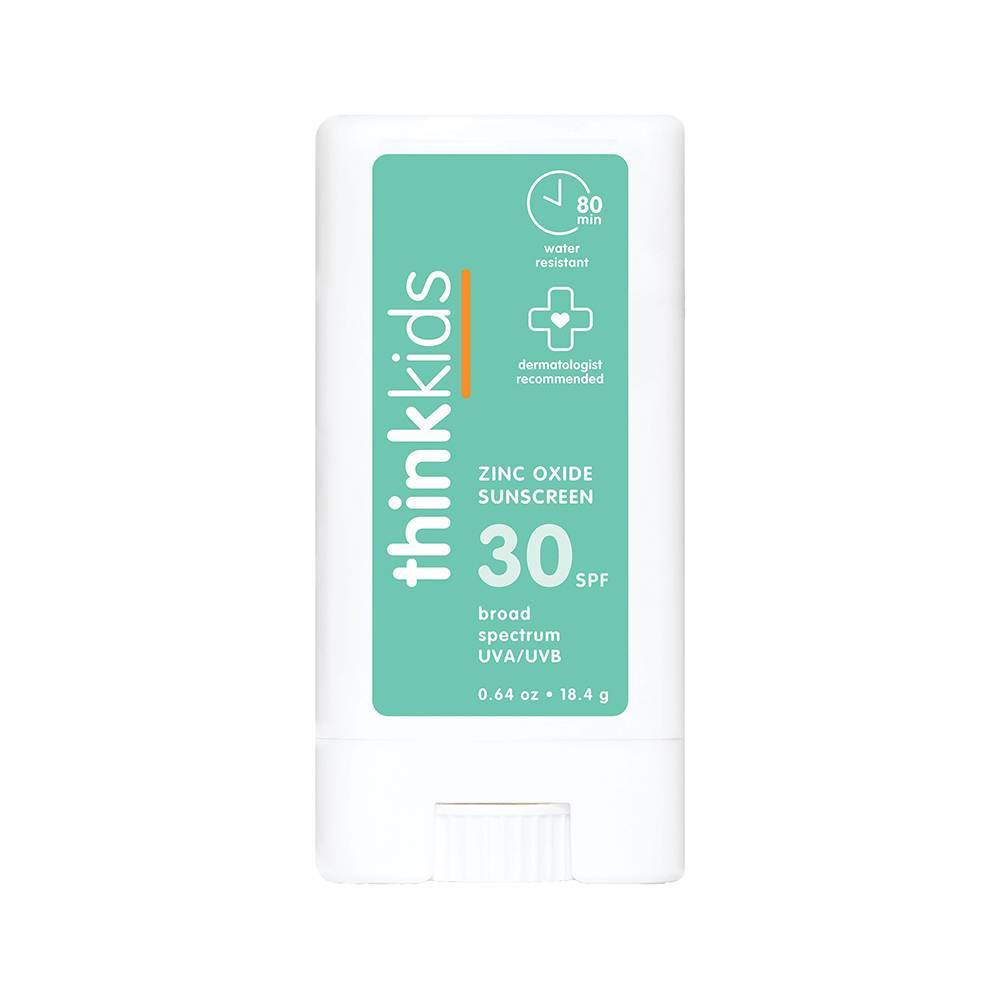

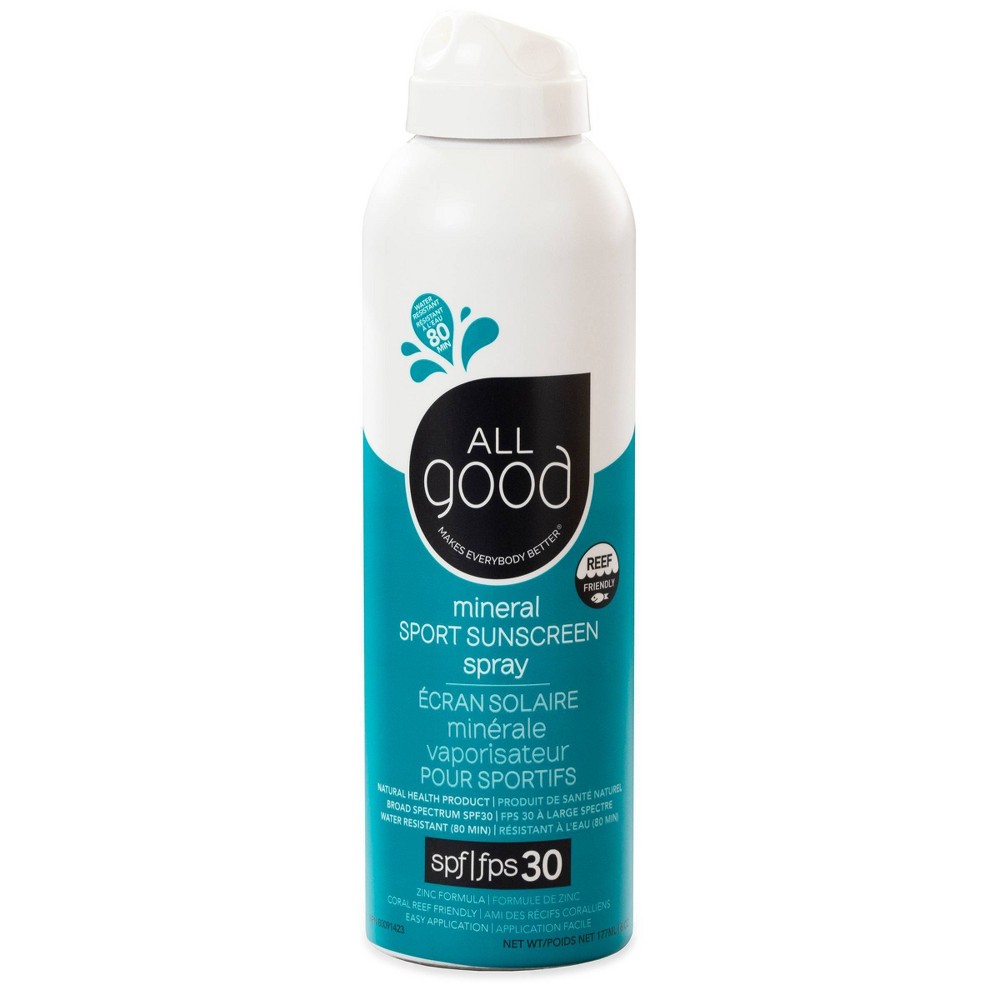
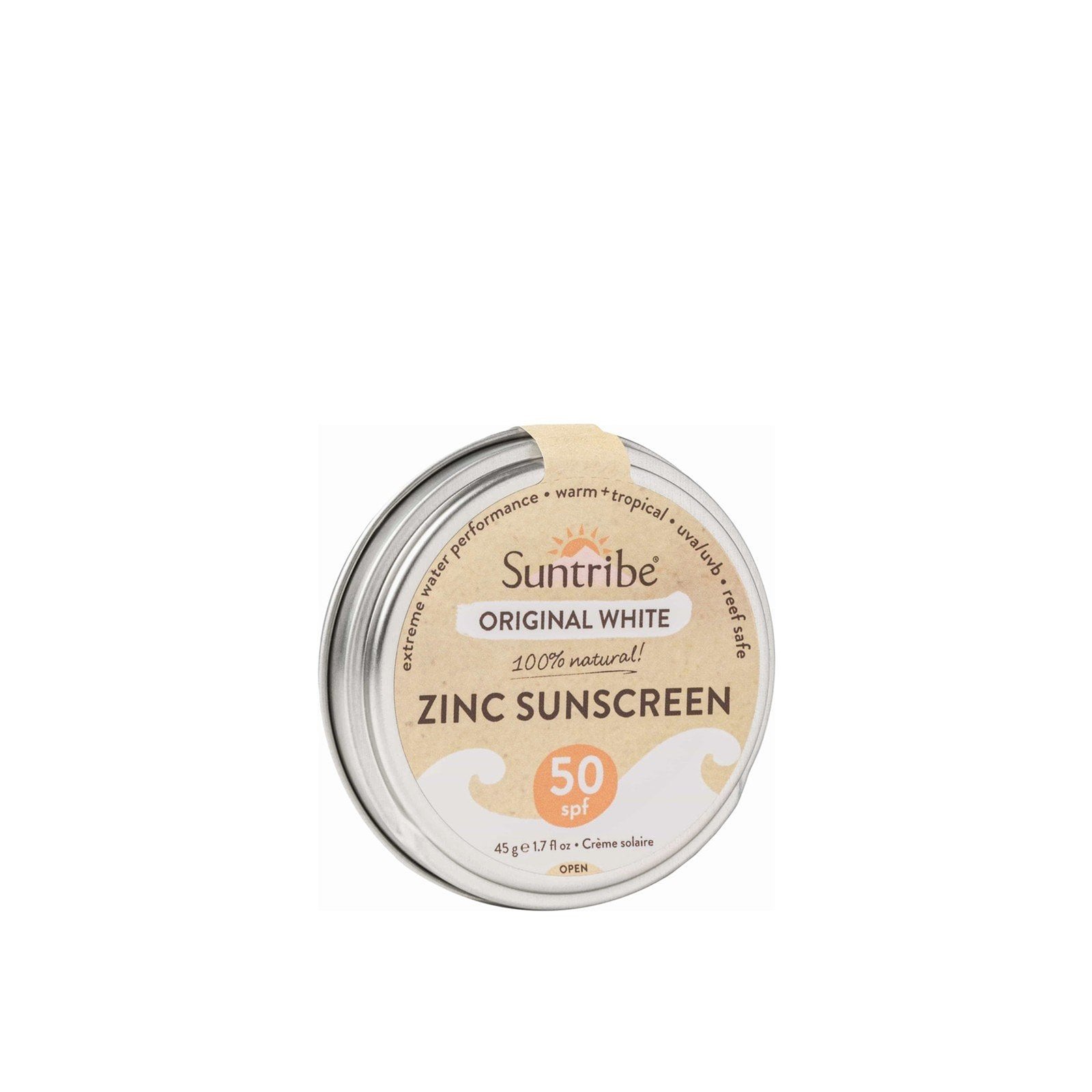
NuxeNuxe Sun Melting Cream High Protection For Face SPF 50 50ml/1.5oz
Analysis updated August 2026 · How Scout scores
At a glance
Summary
This sunscreen contains beneficial ingredients such as tocopherol, shea butter, and sodium hyaluronate, which provide antioxidant and moisturizing benefits. The use of mineral filters like titanium dioxide and zinc oxide is a positive aspect, as they are safer alternatives to chemical UV filters. However, the presence of fragrance, which can cause irritation, slightly detracts from its overall safety profile.
Key ingredients 18
TocopherolVery Good
Tocopherol, also known as Vitamin E, is a powerful antioxidant that helps protect the skin from free radical damage. It is widely used in skincare for its moisturizing and healing properties.
Risks
There are no significant risks associated with tocopherol in cosmetic formulations.
Benefits
It helps to nourish and protect the skin, improving its overall health and appearance.
Butyrospermum Parkii (Shea) ButterVery Good
Shea Butter is a natural fat extracted from the nuts of the shea tree. It is highly moisturizing and helps to soothe and protect the skin.
Risks
There are no significant risks associated with shea butter in cosmetic formulations.
Benefits
It provides deep hydration and nourishment to the skin, improving its elasticity and softness.
Tocopheryl AcetateGood
Tocopheryl Acetate is a stable form of Vitamin E that provides antioxidant benefits. It is commonly used in skincare products to enhance skin health.
Risks
In rare cases, it may cause skin irritation or allergic reactions.
Benefits
It helps to protect the skin from environmental stressors and supports skin repair.
Ethyl FerulateGood
Ethyl Ferulate is an antioxidant that helps to protect the skin from UV damage. It is derived from ferulic acid and is used for its protective properties.
Risks
There are minimal risks associated with this ingredient.
Benefits
It provides additional protection against sun damage and oxidative stress.
Solanum Lycopersicum (Tomato) Fruit ExtractGood
Tomato Fruit Extract is rich in antioxidants, including lycopene, which helps to protect the skin from environmental damage. It is valued for its anti-aging properties.
Risks
There are no significant risks associated with this natural extract.
Benefits
It helps to improve skin texture and reduce signs of aging.
Rosmarinus Officinalis (Rosemary) Leaf ExtractGood
Rosemary Leaf Extract is known for its antioxidant and anti-inflammatory properties. It is used in skincare to soothe and protect the skin.
Risks
In rare cases, it may cause irritation in sensitive individuals.
Benefits
It helps to calm the skin and reduce redness and irritation.
GlycerinGood
Glycerin is a humectant that attracts moisture to the skin, keeping it hydrated. It is widely used in skincare for its moisturizing properties.
Risks
There are no significant risks associated with glycerin in cosmetic formulations.
Benefits
It helps to maintain skin hydration and improve skin barrier function.
Sodium HyaluronateGood
Sodium Hyaluronate is the salt form of hyaluronic acid, known for its ability to retain moisture. It is used in skincare to hydrate and plump the skin.
Risks
There are no significant risks associated with sodium hyaluronate in cosmetic formulations.
Benefits
It helps to improve skin hydration and reduce the appearance of fine lines and wrinkles.
Zinc OxideGood
Zinc Oxide is a mineral sunscreen agent that provides broad-spectrum UV protection. It is known for its safety and effectiveness in protecting the skin from sun damage.
Risks
There are minimal risks associated with zinc oxide in cream or lotion form.
Benefits
It helps to protect the skin from UV radiation and is suitable for sensitive skin.
Aqua/WaterNeutral
Water is a common solvent used in cosmetics to dissolve other ingredients. It does not provide any direct benefits or risks in skincare products.
Risks
There are no known risks associated with water in cosmetic formulations.
Benefits
Water helps to hydrate the skin by providing moisture.
C12-15 Alkyl BenzoateNeutral
C12-15 Alkyl Benzoate is an emollient that helps to improve the texture and spreadability of products. It is generally considered safe for use in cosmetics.
Risks
There are minimal risks associated with this ingredient, though it may cause irritation in sensitive individuals.
Benefits
It provides a silky feel to the skin and helps to lock in moisture.
Cetearyl AlcoholNeutral
Cetearyl Alcohol is a fatty alcohol used as an emollient and thickening agent in cosmetics. It is considered safe and non-irritating.
Risks
There are minimal risks associated with this ingredient.
Benefits
It helps to stabilize emulsions and improve the texture of products.
Cetearyl GlucosideNeutral
Cetearyl Glucoside is an emulsifier that helps to blend oil and water components in formulations. It is derived from natural sources and is considered safe.
Risks
There are minimal risks associated with this ingredient.
Benefits
It helps to improve the consistency and stability of cosmetic products.
Caprylic/Capric TriglycerideNeutral
Caprylic/Capric Triglyceride is an emollient derived from coconut oil and glycerin. It is used to enhance the spreadability and absorption of products.
Risks
There are minimal risks associated with this ingredient.
Benefits
It helps to moisturize and soften the skin without leaving a greasy residue.
EthylhexylglycerinNeutral
Ethylhexylglycerin is used as a skin conditioning agent and preservative enhancer. It is considered safe for use in cosmetics.
Risks
There are minimal risks associated with this ingredient.
Benefits
It helps to improve the efficacy of preservatives and condition the skin.
Titanium DioxideNeutral
Standard formulation ingredient — neither beneficial nor harmful at typical use.
Risks
There are minimal risks associated with titanium dioxide in cream or lotion form.
Benefits
It helps to protect the skin from harmful UV rays, reducing the risk of sunburn and skin damage.
PhenoxyethanolBad
Processed additive flagged under Scout's ingredient doctrine.
Risks
In high concentrations, it may cause skin irritation or allergic reactions.
Benefits
It helps to preserve the product and extend its shelf life.
FragranceVery Bad
Fragrance is used to impart a pleasant scent to products but can cause irritation and allergic reactions in sensitive individuals. It is often a mixture of various chemicals.
Risks
Fragrance can cause skin irritation and allergic reactions, especially in sensitive individuals.
Benefits
It provides a pleasant scent to the product, enhancing the user experience.
Processing
Processed Foods
Get the full breakdown in the Scout appTake Scout shopping
Scan any product to see lab results, healthy alternatives, and your personalized analysis.
Download on theApp Store GET IT ONGoogle Play