
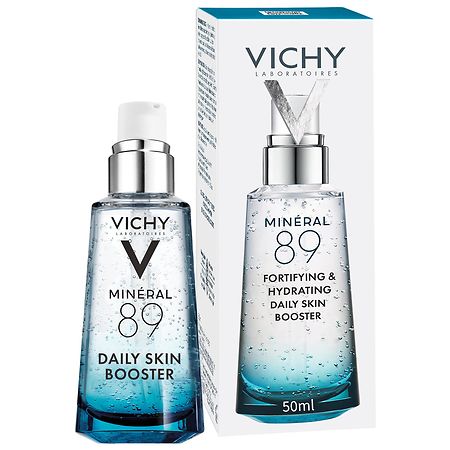
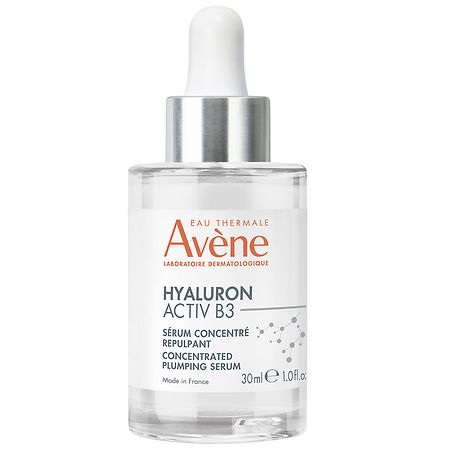
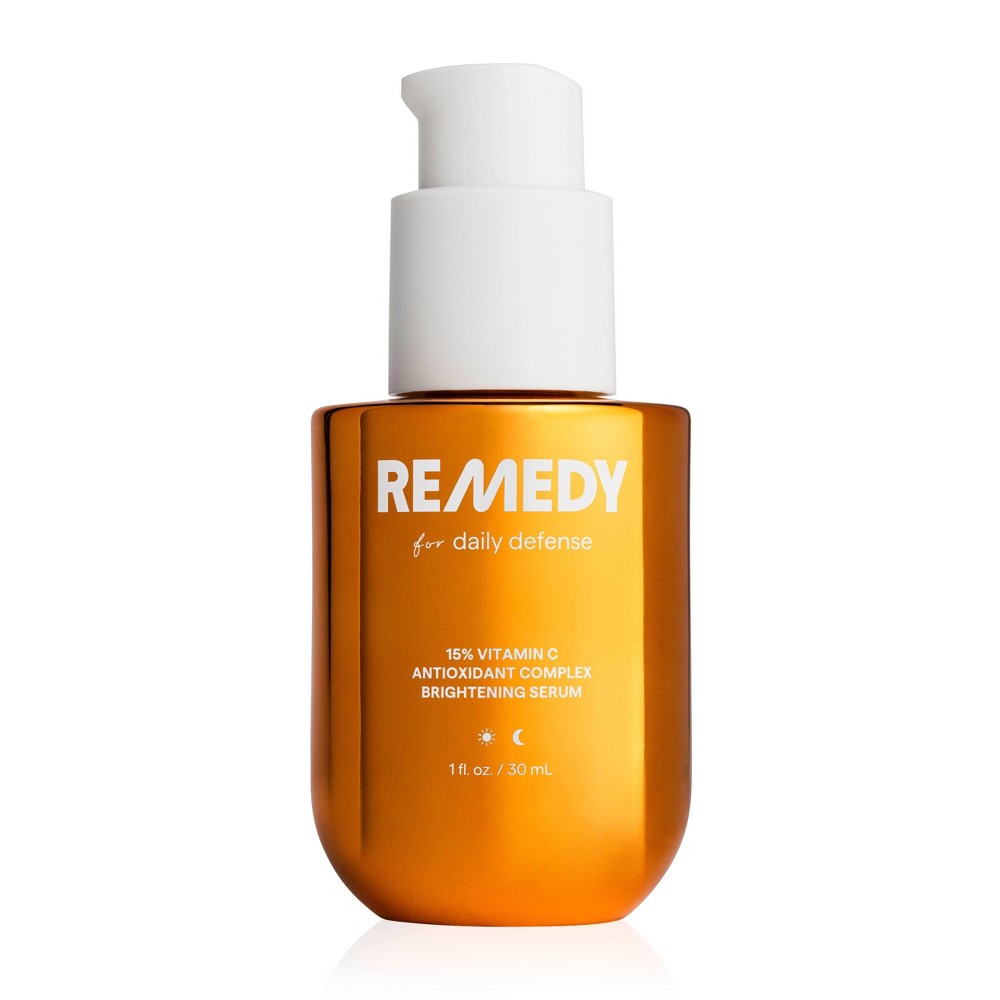
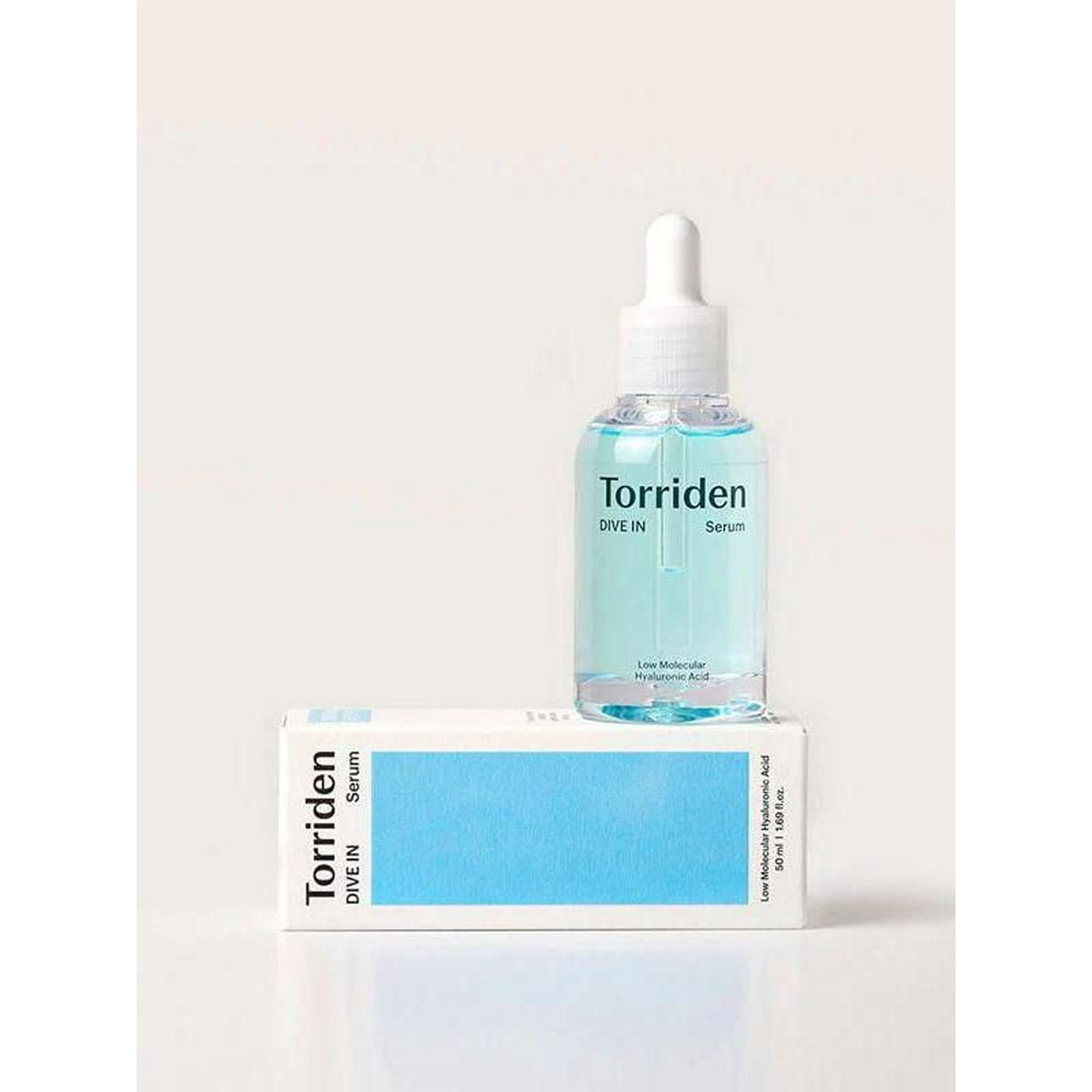
Vichy Mineral 89 Fortifying and Hydrating Daily Skin Booster, Face Serum with Hyaluronic Acid - 1.69 fl oz
Analysis updated August 2026 · How Scout scores
At a glance
Summary
This serum contains beneficial ingredients like glycerin and sodium hyaluronate, which are excellent for hydrating and retaining moisture in the skin. However, the presence of phenoxyethanol, a potential skin irritant, and the use of PEG compounds contribute to its processing level, which limits its overall score. The formulation is mostly safe but includes some synthetic components that prevent it from achieving a higher rating.
Key ingredients 14
GlycerinGood
Glycerin is a humectant that attracts moisture to the skin, helping to keep it hydrated. It is widely used in skincare for its moisturizing properties. It is considered safe and beneficial for most skin types.
Risks
Rarely, it may cause irritation in very sensitive skin.
Benefits
Helps to maintain skin hydration and improve skin barrier function.
Sodium HyaluronateGood
Sodium Hyaluronate is a form of hyaluronic acid that is highly effective in retaining moisture in the skin. It is known for its ability to hold up to 1000 times its weight in water, making it an excellent hydrating agent. It is beneficial for all skin types and helps to improve skin texture and elasticity.
Risks
Generally considered safe with minimal risk of irritation.
Benefits
Deeply hydrates the skin and improves elasticity and texture.
WaterNeutral
Water is a common solvent used in cosmetics to dissolve other ingredients. It helps in the application and absorption of the product. It does not provide direct benefits or risks.
Benefits
Acts as a solvent and helps in the application of the product.
PropanediolNeutral
Propanediol is used as a solvent and skin-conditioning agent. It helps to improve the texture and feel of the product. It is generally considered safe for use in cosmetics.
Risks
May cause mild irritation in sensitive individuals.
Benefits
Improves texture and enhances skin hydration.
PEG/PPG/Polybutylene Glycol-8/5/3 GlycerinNeutral
This compound is used as an emollient and humectant in cosmetics. It helps to improve the texture and moisture retention of the product. It is generally considered safe for use in cosmetics.
Risks
Potential for mild irritation in sensitive skin.
Benefits
Enhances moisture retention and improves product texture.
Methyl Gluceth-20Neutral
Methyl Gluceth-20 is a humectant and emollient that helps to moisturize the skin. It is derived from glucose and is considered safe for use in cosmetics. It enhances the skin's moisture content.
Risks
Low risk of irritation for sensitive skin.
Benefits
Improves skin hydration and smoothness.
Citric AcidNeutral
Citric Acid is used to adjust the pH of cosmetics and has mild exfoliating properties. It helps to maintain the stability and effectiveness of the product. It is generally safe in low concentrations.
Risks
Can cause irritation if used in high concentrations.
Benefits
Helps to balance pH and provides mild exfoliation.
HydroxyacetophenoneNeutral
Hydroxyacetophenone is an antioxidant and preservative used in cosmetics. It helps to protect the product from degradation. It is considered safe for use in cosmetics.
Risks
Low risk of irritation.
Benefits
Provides antioxidant protection and enhances product stability.
Biosaccharide Gum-1Neutral
Biosaccharide Gum-1 is a moisturizing and soothing agent derived from plants. It helps to improve the texture and feel of the product. It is considered safe for use in cosmetics.
Risks
Low risk of irritation.
Benefits
Provides moisturizing and soothing effects.
Butylene GlycolNeutral
Butylene Glycol is a solvent and conditioning agent used in cosmetics. It helps to improve the texture and spreadability of the product. It is generally considered safe for use in cosmetics.
Risks
May cause mild irritation in sensitive skin.
Benefits
Enhances product texture and spreadability.
Caprylyl GlycolNeutral
Caprylyl Glycol is used as a skin-conditioning agent and preservative. It helps to improve the texture and stability of the product. It is considered safe for use in cosmetics.
Risks
Low risk of irritation.
Benefits
Improves skin conditioning and product stability.
CarbomerNeutral
Carbomer is used as a thickening agent in cosmetics to create a gel-like consistency. It helps to stabilize and improve the texture of the product. It is considered safe for use in cosmetics.
Risks
Low risk of irritation.
Benefits
Enhances product texture and stability.
MaltodextrinNeutral
Maltodextrin is used as a binding and film-forming agent in cosmetics. It helps to improve the texture and feel of the product. It is considered safe for use in cosmetics.
Risks
Low risk of irritation.
Benefits
Improves product texture and film-forming properties.
PhenoxyethanolBad
Phenoxyethanol is a preservative used in cosmetics to prevent microbial growth. It is effective in low concentrations but can cause irritation in some individuals. It is considered a potential skin irritant and should be used with caution.
Risks
May cause irritation and allergic reactions in sensitive individuals.
Benefits
Provides effective preservation against microbial growth.
Get the full breakdown in the Scout appTake Scout shopping
Scan any product to see lab results, healthy alternatives, and your personalized analysis.
Download on theApp Store GET IT ONGoogle PlayAmazon pricing & content
Amazon price as of . Product prices and availability are accurate as of the date/time indicated and are subject to change. Any price and availability information displayed on Amazon.com at the time of purchase will apply to the purchase of this product.
CERTAIN CONTENT THAT APPEARS ON THIS SITE COMES FROM AMAZON. THIS CONTENT IS PROVIDED “AS IS” AND IS SUBJECT TO CHANGE OR REMOVAL AT ANY TIME.