

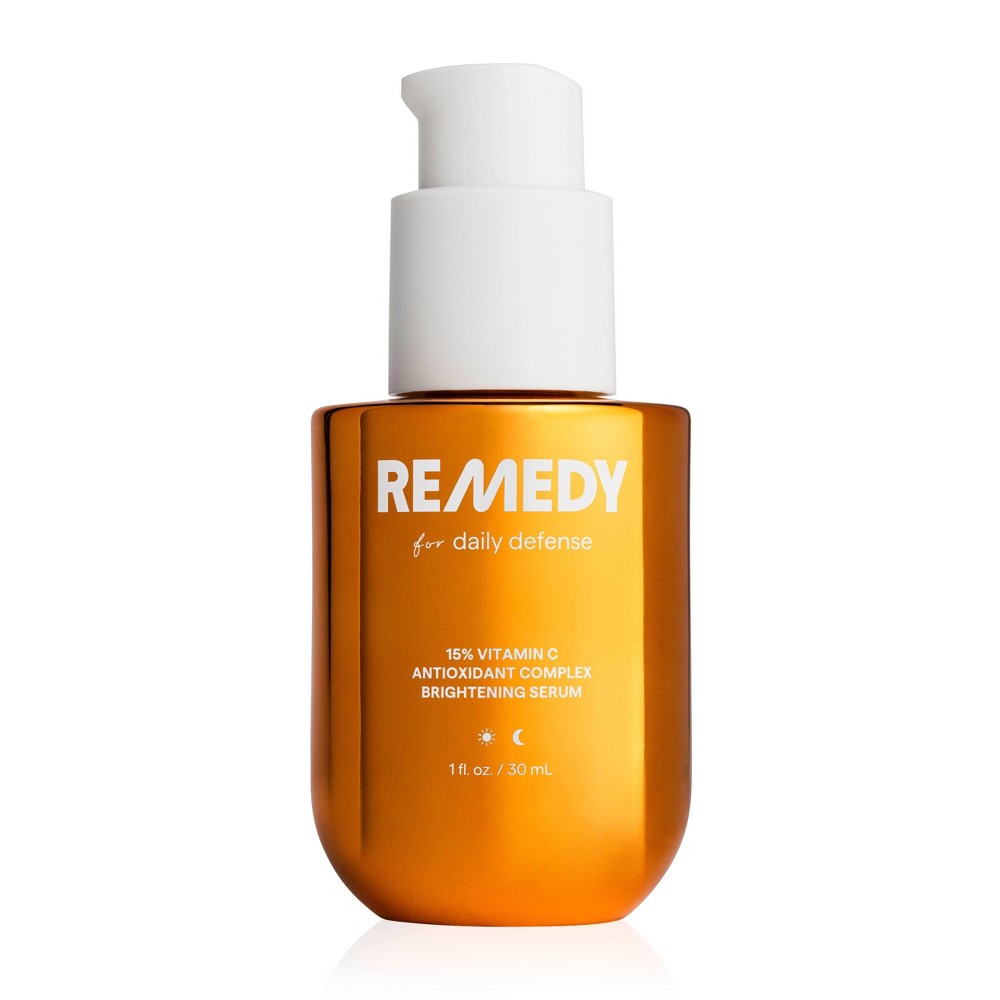


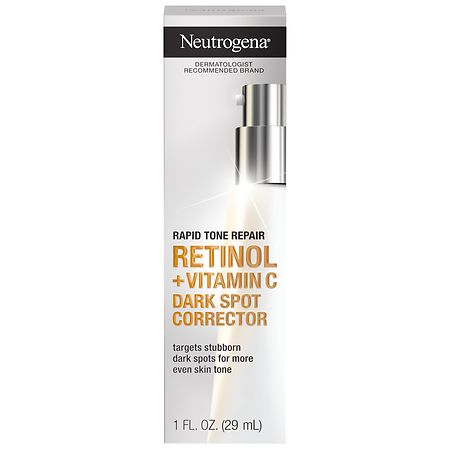
Caudalie Vinoperfect Brightening Dark Spot Serum Vitamin C Alternative, Size: 1 Oz, None
Analysis updated August 2026 · How Scout scores
At a glance
Summary
This serum contains beneficial ingredients like glycerin, squalane, and bisabolol, which provide hydration and soothing properties. However, the presence of 'parfum' or fragrance is a concern due to its potential to cause skin irritation and allergic reactions. The product is moderately processed, which limits its score despite the presence of effective skin actives.
Key ingredients 19
SqualaneVery Good
Squalane is a highly effective emollient and natural antioxidant. It mimics the skin's natural oils, making it an excellent moisturizer. It is non-comedogenic and suitable for all skin types.
Risks
Very low risk of irritation or allergic reaction.
Benefits
Provides excellent moisturization and mimics natural skin oils.
GlycerinGood
Glycerin is a well-known humectant that attracts moisture to the skin, keeping it hydrated. It is beneficial for maintaining skin's moisture balance. It is widely used in skincare for its hydrating properties.
Risks
Rarely causes irritation or allergic reactions.
Benefits
Excellent for skin hydration and maintaining moisture balance.
Palmitoyl Grapevine Shoot ExtractGood
This extract is known for its antioxidant properties and potential to improve skin tone. It may help in reducing the appearance of dark spots. It is derived from grapevine shoots and is considered beneficial for skin health.
Risks
Limited research on long-term effects.
Benefits
Offers antioxidant benefits and may improve skin tone.
BisabololGood
Bisabolol is known for its soothing and anti-inflammatory properties. It is often used to calm irritated skin and enhance the absorption of other ingredients. It is derived from chamomile and is considered beneficial for sensitive skin.
Risks
Rarely causes allergic reactions.
Benefits
Soothes irritated skin and enhances ingredient absorption.
Aqua/Water/EauNeutral
Water is a common solvent used in cosmetics to dissolve other ingredients. It helps in the application and absorption of the product. It does not provide direct benefits or risks.
Benefits
Essential for dissolving and mixing other ingredients.
Butylene GlycolNeutral
Butylene Glycol is a common humectant that helps retain moisture in the skin. It also acts as a solvent and improves the texture of the product. It is generally considered safe for use in cosmetics.
Risks
May cause irritation in sensitive skin types.
Benefits
Helps in retaining skin moisture and improving product texture.
Cococaprylate/CaprateNeutral
Cococaprylate/Caprate is an emollient derived from coconut oil and caprylic acid. It provides a smooth application and a silky feel to the skin. It is generally considered safe and non-irritating.
Risks
Minimal risk of irritation or allergic reaction.
Benefits
Improves skin feel and provides a smooth application.
Polyglyceryl-3 DistearateNeutral
Polyglyceryl-3 Distearate is an emulsifier that helps blend oil and water-based ingredients. It improves the texture and stability of the product. It is generally considered safe for use in cosmetics.
Risks
Low risk of irritation.
Benefits
Enhances product texture and stability.
Glyceryl StearateNeutral
Glyceryl Stearate is an emulsifier that helps in forming stable emulsions. It also acts as a lubricant on the skin's surface, giving it a soft and smooth appearance. It is widely used in skincare products.
Risks
Low risk of skin irritation.
Benefits
Improves product stability and provides a smooth skin feel.
Xanthan GumNeutral
Xanthan Gum is a thickening agent that stabilizes and thickens formulations. It is derived from natural sources and is considered safe for use in cosmetics. It helps in maintaining the consistency of the product.
Risks
Minimal risk of irritation.
Benefits
Stabilizes and thickens cosmetic formulations.
Caprylyl GlycolNeutral
Caprylyl Glycol is a skin conditioning agent that also acts as a preservative. It helps in improving the moisture content of the skin. It is generally considered safe and effective in cosmetics.
Risks
Low risk of irritation.
Benefits
Enhances skin moisture and acts as a preservative.
Microcrystalline CelluloseNeutral
Microcrystalline Cellulose is used as a bulking agent and stabilizer in cosmetics. It helps in improving the texture and consistency of the product. It is considered safe for use in skincare formulations.
Benefits
Improves product texture and consistency.
Polyacrylate Crosspolymer-6Neutral
Polyacrylate Crosspolymer-6 is a thickening agent that provides a smooth texture to the product. It helps in stabilizing emulsions and is commonly used in cosmetics. It is considered safe for topical use.
Risks
Low risk of skin irritation.
Benefits
Provides smooth texture and stabilizes emulsions.
Glyceryl Stearate CitrateNeutral
Glyceryl Stearate Citrate is an emulsifier that helps in blending oil and water-based ingredients. It improves the texture and stability of the product. It is considered safe for use in cosmetics.
Risks
Low risk of irritation.
Benefits
Enhances product texture and stability.
Citric AcidNeutral
Citric Acid is used to adjust the pH of cosmetic products. It also acts as an antioxidant and can help in exfoliating the skin. It is generally considered safe for use in cosmetics.
Risks
May cause irritation in sensitive skin types.
Benefits
Adjusts pH and provides mild exfoliation.
Sodium PhytateNeutral
Sodium Phytate is a chelating agent that helps in stabilizing cosmetic formulations. It binds metal ions, preventing them from affecting the product's stability. It is considered safe for use in cosmetics.
Benefits
Stabilizes formulations by binding metal ions.
Sodium HydroxideNeutral
Sodium Hydroxide is used to adjust the pH of cosmetic products. It is a strong base and must be used in small amounts to avoid irritation. It is considered safe when used appropriately.
Risks
Can cause irritation if used in high concentrations.
Benefits
Adjusts pH to maintain product stability.
Potassium SorbateBad
Synthetic preservative — flagged in daily-use products.
Risks
May cause mild skin irritation in sensitive individuals.
Benefits
Prevents microbial growth and extends product shelf life.
Parfum (Fragrance)Very Bad
Fragrance is often added to cosmetics for a pleasant scent but can cause allergic reactions and skin irritation. It is a common sensitizer and can be problematic for sensitive skin. It is generally considered a negative ingredient in skincare due to potential irritation.
Risks
High risk of allergic reactions and skin irritation.
Benefits
Provides a pleasant scent to the product.
Processing
Processed Foods
Get the full breakdown in the Scout appTake Scout shopping
Scan any product to see lab results, healthy alternatives, and your personalized analysis.
Download on theApp Store GET IT ONGoogle PlayAmazon pricing & content
Amazon price as of . Product prices and availability are accurate as of the date/time indicated and are subject to change. Any price and availability information displayed on Amazon.com at the time of purchase will apply to the purchase of this product.
CERTAIN CONTENT THAT APPEARS ON THIS SITE COMES FROM AMAZON. THIS CONTENT IS PROVIDED “AS IS” AND IS SUBJECT TO CHANGE OR REMOVAL AT ANY TIME.