
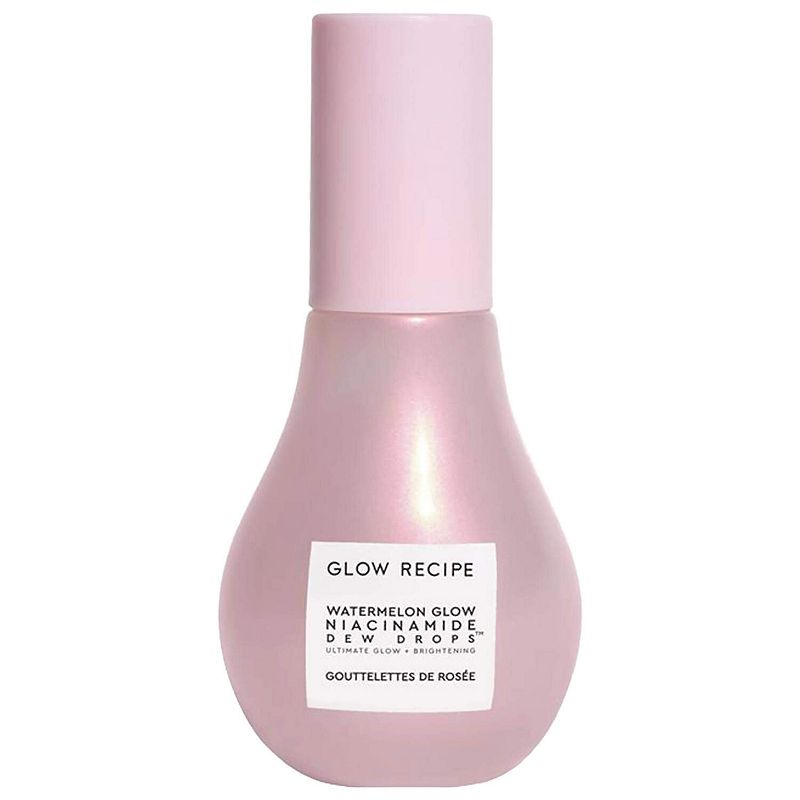
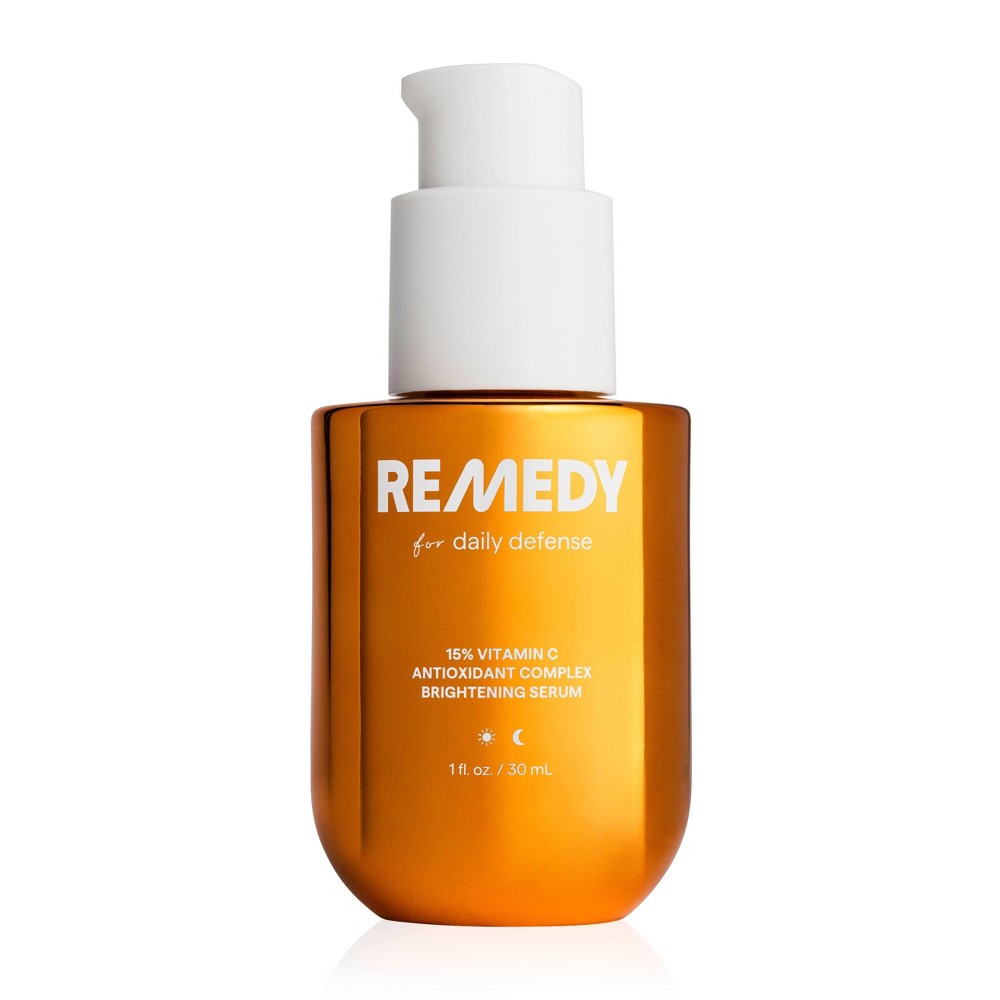
Glow Recipe Watermelon Glow Niacinamide Dew Drops Brightening Serum (40ml)
Analysis updated August 2026 · How Scout scores
At a glance
Summary
This serum contains beneficial ingredients like niacinamide, sodium hyaluronate, and moringa oleifera seed oil, which are known for their hydrating and skin-soothing properties. However, the presence of fragrance and benzyl benzoate, which can be potential irritants, slightly lowers its safety profile. The product is moderately processed, which also impacts its overall rating.
Key ingredients 23
Moringa Oleifera Seed OilVery Good
Moringa Oleifera Seed Oil is a natural oil rich in antioxidants and fatty acids. It helps to nourish and hydrate the skin. It is considered beneficial for its moisturizing and anti-aging properties.
Risks
There are minimal risks, though it may cause irritation in very sensitive skin.
Benefits
It provides deep hydration and antioxidant protection to the skin.
GlycerinGood
Glycerin is a well-known humectant that attracts moisture to the skin. It is widely used in skincare products for its hydrating properties. It is considered safe and effective for all skin types.
Risks
There are minimal risks associated with glycerin, though it can be sticky.
Benefits
Glycerin helps maintain skin hydration and improves skin barrier function.
NiacinamideGood
Niacinamide is a form of Vitamin B3 that is highly regarded for its skin benefits. It helps improve skin texture, reduce the appearance of pores, and even out skin tone. It is well-tolerated by most skin types.
Risks
Niacinamide is generally safe, but high concentrations can cause irritation.
Benefits
It provides anti-inflammatory properties and enhances skin barrier function.
Citrullus Lanatus Fruit ExtractGood
Citrullus Lanatus Fruit Extract, or watermelon extract, is rich in vitamins and antioxidants. It helps to hydrate and soothe the skin. It is considered beneficial for its moisturizing and anti-aging properties.
Risks
There are minimal risks, though it may cause irritation in very sensitive skin.
Benefits
It provides hydration and antioxidant protection to the skin.
Sodium HyaluronateGood
Sodium Hyaluronate is a salt form of hyaluronic acid known for its excellent hydrating properties. It can hold up to 1000 times its weight in water, making it a powerful moisturizer. It is suitable for all skin types and helps to plump and hydrate the skin.
Risks
There are no significant risks associated with sodium hyaluronate.
Benefits
It provides intense hydration and helps reduce the appearance of fine lines.
Aqua/Water/EauNeutral
Aqua, or water, is a common solvent used in cosmetic formulations. It helps dissolve other ingredients and provides a base for the product. It is generally considered safe and non-reactive.
Risks
There are no significant risks associated with water in cosmetic products.
Benefits
Water acts as a carrier for active ingredients and hydrates the skin.
PropanediolNeutral
Propanediol is a glycol used as a solvent and skin-conditioning agent. It is derived from corn sugar and is considered safe for use in cosmetics. It helps improve the texture and feel of the product.
Risks
Propanediol can cause skin irritation in sensitive individuals.
Benefits
It enhances the absorption of other ingredients and provides a smooth application.
Glycereth-26Neutral
Glycereth-26 is a polyethylene glycol ether of glycerin used as a humectant and emollient. It helps to retain moisture in the skin. It is generally considered safe for use in cosmetics.
Risks
There is a low risk of irritation or allergic reaction.
Benefits
It provides hydration and improves the texture of the skin.
2, 3-ButanediolNeutral
2, 3-Butanediol is used as a solvent and viscosity-decreasing agent in cosmetics. It helps improve the texture and spreadability of the product. It is considered safe for use in skincare formulations.
Risks
There is a low risk of skin irritation.
Benefits
It enhances the product's texture and application.
1, 2-HexanediolNeutral
1, 2-Hexanediol is a synthetic preservative and moisture-binding agent. It helps to stabilize formulations and improve product longevity. It is generally considered safe for use in cosmetics.
Risks
It may cause mild irritation in sensitive skin.
Benefits
It acts as a preservative and enhances skin hydration.
Cetyl EthylhexanoateNeutral
Cetyl Ethylhexanoate is an ester used as an emollient and skin-conditioning agent. It provides a silky feel and improves the spreadability of the product. It is considered safe for use in cosmetics.
Risks
There is a low risk of skin irritation.
Benefits
It enhances the texture and feel of the product on the skin.
Eclipta Prostrata ExtractNeutral
Eclipta Prostrata Extract is a botanical ingredient used for its antioxidant properties. It helps to protect the skin from environmental damage. It is generally considered safe for use in cosmetics.
Risks
There is a low risk of allergic reaction or irritation.
Benefits
It provides antioxidant benefits and helps soothe the skin.
Melia Azadirachta Leaf ExtractNeutral
Melia Azadirachta Leaf Extract, also known as neem leaf extract, is used for its antibacterial and anti-inflammatory properties. It helps to soothe and protect the skin. It is considered safe for use in cosmetics.
Risks
There is a low risk of skin irritation or allergic reaction.
Benefits
It provides antibacterial benefits and helps calm irritated skin.
Polyglyceryl-3 Methylglucose DistearateNeutral
Polyglyceryl-3 Methylglucose Distearate is an emulsifier used to stabilize formulations. It helps to blend oil and water-based ingredients. It is considered safe for use in cosmetics.
Risks
There is a low risk of skin irritation.
Benefits
It improves the stability and texture of the product.
TromethamineNeutral
Tromethamine is used as a pH adjuster in cosmetic formulations. It helps to maintain the stability and effectiveness of the product. It is generally considered safe for use in cosmetics.
Risks
There is a low risk of skin irritation.
Benefits
It helps maintain the product's pH balance and stability.
Glyceryl StearateNeutral
Glyceryl Stearate is an emulsifier and emollient used to improve the texture of cosmetic products. It helps to blend ingredients and provides a smooth application. It is considered safe for use in cosmetics.
Risks
There is a low risk of skin irritation.
Benefits
It enhances the texture and feel of the product on the skin.
CarbomerNeutral
Carbomer is a thickening agent used to create gel-like textures in cosmetics. It helps to stabilize and thicken formulations. It is considered safe for use in cosmetics.
Risks
There is a low risk of skin irritation.
Benefits
It provides a smooth and stable texture to the product.
EthylhexylglycerinNeutral
Ethylhexylglycerin is used as a preservative and skin-conditioning agent. It helps to enhance the efficacy of other preservatives and improve skin feel. It is considered safe for use in cosmetics.
Risks
There is a low risk of skin irritation.
Benefits
It acts as a preservative and improves skin texture.
Xanthan GumNeutral
Xanthan Gum is a natural thickening agent used to stabilize cosmetic formulations. It helps to create a smooth and consistent texture. It is considered safe for use in cosmetics.
Risks
There is a low risk of skin irritation.
Benefits
It provides a stable and smooth texture to the product.
Polyquaternium-51Neutral
Polyquaternium-51 is a conditioning agent used to improve skin hydration. It helps to enhance the moisture-retention properties of the product. It is considered safe for use in cosmetics.
Risks
There is a low risk of skin irritation.
Benefits
It provides hydration and improves skin texture.
Acrylates/C10-30 Alkyl Acrylate CrosspolymerBad
Processed additive flagged under Scout's ingredient doctrine.
Risks
There is a low risk of skin irritation.
Benefits
It enhances the texture and stability of the product.
Benzyl BenzoateBad
Benzyl Benzoate is used as a fragrance ingredient and solvent in cosmetics. It can be a potential allergen and irritant, especially for sensitive skin. It is often criticized for its potential to cause irritation.
Risks
Benzyl Benzoate can cause skin irritation and allergic reactions.
Benefits
It acts as a solvent and fragrance component.
Fragrance/ParfumVery Bad
Fragrance is used to add scent to cosmetic products but can be a common irritant. It may cause allergic reactions or skin sensitivity, especially in sensitive individuals. It is often criticized for its potential to cause irritation.
Risks
Fragrance can cause skin irritation and allergic reactions.
Benefits
It provides a pleasant scent to the product.
Processing
Processed Foods
Get the full breakdown in the Scout appTake Scout shopping
Scan any product to see lab results, healthy alternatives, and your personalized analysis.
Download on theApp Store GET IT ONGoogle PlayAmazon pricing & content
Amazon price as of . Product prices and availability are accurate as of the date/time indicated and are subject to change. Any price and availability information displayed on Amazon.com at the time of purchase will apply to the purchase of this product.
CERTAIN CONTENT THAT APPEARS ON THIS SITE COMES FROM AMAZON. THIS CONTENT IS PROVIDED “AS IS” AND IS SUBJECT TO CHANGE OR REMOVAL AT ANY TIME.