


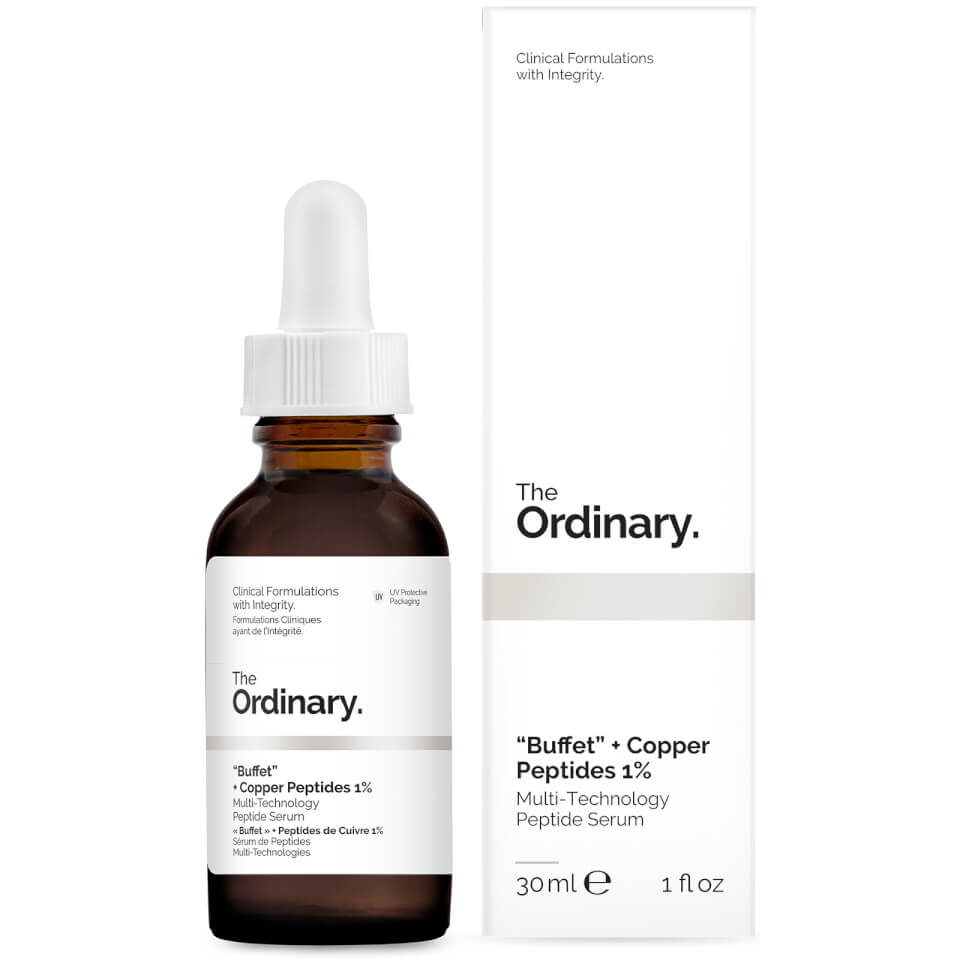



The Ordinary Granactive Retinoid 2% Emulsion (Previously Advanced Retinoid 2%) 30ml
OrdinaryAnalysis updated August 2026 · How Scout scores
At a glance
Summary
This serum contains beneficial ingredients like glycerin, bisabolol, and retinoids, which offer moisturizing and anti-aging benefits. However, the presence of phenoxyethanol and chlorphenesin, which can cause irritation, slightly lowers its safety profile. The product is moderately processed, which also impacts its overall rating.
Key ingredients 31
BISABOLOLVery Good
Bisabolol is a natural compound known for its soothing and anti-inflammatory properties. It is effective in reducing skin irritation.
Risks
Minimal risk of irritation or allergic reaction.
Benefits
Calms and soothes irritated skin.
HYDROXYPINACOLONE RETINOATEVery Good
Hydroxypinacolone retinoate is a retinoid that provides anti-aging benefits by promoting cell turnover. It is less irritating than traditional retinol.
Risks
May cause mild irritation or sensitivity, especially in new users.
Benefits
Reduces signs of aging and improves skin texture.
RETINOLVery Good
Retinol is a well-known anti-aging ingredient that promotes cell turnover and collagen production. It is effective in reducing wrinkles and fine lines.
Risks
Can cause irritation, redness, and peeling, especially in sensitive skin.
Benefits
Improves skin texture and reduces signs of aging.
GLYCERINGood
Glycerin is a humectant that attracts moisture to the skin, helping to maintain hydration. It is widely used in skincare for its moisturizing properties.
Risks
Rarely, it may cause irritation in sensitive individuals.
Benefits
Helps to keep the skin hydrated and soft.
ETHYL LINOLEATEGood
Ethyl linoleate is an ester of linoleic acid, which is beneficial for skin barrier repair and hydration. It is known for its emollient properties.
Risks
May cause irritation if used in high concentrations.
Benefits
Improves skin hydration and barrier function.
CAPRYLIC/CAPRIC TRIGLYCERIDEGood
This ingredient is derived from coconut oil and glycerin, providing skin-replenishing fatty acids. It is used for its emollient properties.
Risks
Low risk of irritation or allergic reaction.
Benefits
Moisturizes and softens the skin.
TASMANNIA LANCEOLATA FRUIT/LEAF EXTRACTGood
This extract is known for its anti-inflammatory and antioxidant properties. It helps in soothing and protecting the skin.
Risks
Low risk of irritation or allergic reaction.
Benefits
Soothes and protects the skin from environmental stressors.
AQUA (WATER)Neutral
Water is a common solvent used in cosmetics to dissolve other ingredients. It helps in the application and absorption of the product. It does not provide any active benefits or risks.
Benefits
Acts as a solvent and carrier for other ingredients.
PROPANEDIOLNeutral
Propanediol is a glycol that acts as a solvent and humectant in formulations. It enhances the absorption of other ingredients.
Risks
Generally considered safe, but may cause irritation in sensitive skin.
Benefits
Improves texture and absorption of the product.
DIMETHYL ISOSORBIDENeutral
Dimethyl isosorbide is used as a solvent to enhance the delivery of active ingredients. It helps in stabilizing formulations.
Risks
May cause mild irritation in sensitive individuals.
Benefits
Improves the efficacy of active ingredients.
CETEARYL ISONONANOATENeutral
Cetearyl isononanoate is an ester used for its emollient properties, providing a smooth application. It helps in improving the texture of the product.
Risks
Generally safe with low risk of irritation.
Benefits
Enhances skin feel and product spreadability.
INULIN LAURYL CARBAMATENeutral
Inulin lauryl carbamate is used as a conditioning agent in cosmetics. It helps in improving the texture and feel of the product.
Risks
Generally considered safe with low risk of irritation.
Benefits
Enhances product texture and skin feel.
GLYCERYL STEARATENeutral
Glyceryl stearate is an emulsifier that helps in blending oil and water components. It provides a smooth texture to the product.
Risks
Low risk of irritation or allergic reaction.
Benefits
Improves product consistency and application.
CETEARETH - 12Neutral
Ceteareth-12 is an emulsifier used to stabilize formulations. It helps in mixing oil and water components.
Risks
May contain trace amounts of ethylene oxide, a potential irritant.
Benefits
Stabilizes and improves product texture.
CETEARETH-20Neutral
Ceteareth-20 is used as an emulsifier to blend oil and water components. It helps in creating a stable formulation.
Risks
Potential contamination with ethylene oxide, a known irritant.
Benefits
Enhances product stability and texture.
CETEARYL ALCOHOLNeutral
Cetearyl alcohol is a fatty alcohol used as an emollient and thickener. It helps in improving the texture and feel of the product.
Risks
Low risk of irritation or allergic reaction.
Benefits
Provides a creamy texture and moisturizes the skin.
XANTHAN GUMNeutral
Xanthan gum is a natural thickening agent used to stabilize formulations. It helps in improving the texture and consistency of the product.
Risks
Generally considered safe with low risk of irritation.
Benefits
Stabilizes and thickens cosmetic formulations.
ACACIA SENEGAL GUMNeutral
Acacia senegal gum is a natural gum used as a thickening and stabilizing agent. It helps in improving the texture of cosmetic products.
Risks
Low risk of irritation or allergic reaction.
Benefits
Enhances product texture and stability.
CETYL PALMITATENeutral
Cetyl palmitate is an ester used as an emollient and thickener in cosmetics. It provides a smooth texture and feel to the product.
Risks
Low risk of irritation or allergic reaction.
Benefits
Improves product texture and provides emollient properties.
SUCROSE LAURATENeutral
Sucrose laurate is an emulsifier used to blend oil and water components. It helps in stabilizing cosmetic formulations.
Risks
Generally considered safe with low risk of irritation.
Benefits
Stabilizes and improves product texture.
POLYSORBATE 20Neutral
Polysorbate 20 is an emulsifier used to blend oil and water components. It helps in stabilizing formulations and improving texture.
Risks
May cause irritation in sensitive skin due to potential impurities.
Benefits
Enhances product stability and texture.
ISOCETETH-20Neutral
Isoceteth-20 is an emulsifier used to stabilize formulations. It helps in blending oil and water components.
Risks
Potential contamination with ethylene oxide, a known irritant.
Benefits
Improves product stability and texture.
BEHENTRIMONIUM CHLORIDENeutral
Behentrimonium chloride is a conditioning agent used in cosmetics. It helps in improving the texture and feel of the product.
Risks
May cause irritation in sensitive skin.
Benefits
Enhances product texture and provides conditioning properties.
TRISODIUM ETHYLENEDIAMINE DISUCCINATENeutral
This ingredient is a chelating agent used to improve the stability of cosmetic formulations. It helps in preventing the degradation of active ingredients.
Risks
Generally considered safe with low risk of irritation.
Benefits
Enhances product stability and efficacy.
DEHYDROACETIC ACIDNeutral
Dehydroacetic acid is a preservative used to prevent microbial growth in cosmetics. It helps in extending the shelf life of the product.
Risks
Low risk of irritation or allergic reaction.
Benefits
Prevents microbial growth and extends product shelf life.
BENZOIC ACIDNeutral
Benzoic acid is a preservative used to prevent microbial growth in cosmetics. It helps in extending the shelf life of the product.
Risks
May cause irritation in sensitive skin.
Benefits
Prevents microbial growth and extends product shelf life.
ETHYLHEXYLGLYCERINNeutral
Ethylhexylglycerin is a preservative and skin conditioning agent. It helps in enhancing the efficacy of other preservatives.
Risks
Low risk of irritation or allergic reaction.
Benefits
Enhances preservative efficacy and conditions the skin.
CARRAGEENANBad
Processed additive flagged under Scout's ingredient doctrine.
Risks
May cause irritation in sensitive individuals.
Benefits
Enhances product texture and stability.
DISODIUM EDTABad
Processed additive flagged under Scout's ingredient doctrine.
Risks
May cause irritation in sensitive skin.
Benefits
Enhances product stability and efficacy.
PHENOXYETHANOLBad
Phenoxyethanol is a preservative used to prevent microbial growth in cosmetics. It is effective but can cause irritation in some individuals.
Risks
Potential skin irritant, especially in high concentrations.
Benefits
Prevents microbial growth and extends product shelf life.
CHLORPHENESINBad
Chlorphenesin is a preservative used to prevent microbial growth in cosmetics. It can cause irritation and allergic reactions in some individuals.
Risks
Potential skin irritant and allergen.
Benefits
Prevents microbial growth and extends product shelf life.
Processing
Processed Foods
Get the full breakdown in the Scout appTake Scout shopping
Scan any product to see lab results, healthy alternatives, and your personalized analysis.
Download on theApp Store GET IT ONGoogle PlayAmazon pricing & content
Amazon price as of . Product prices and availability are accurate as of the date/time indicated and are subject to change. Any price and availability information displayed on Amazon.com at the time of purchase will apply to the purchase of this product.
CERTAIN CONTENT THAT APPEARS ON THIS SITE COMES FROM AMAZON. THIS CONTENT IS PROVIDED “AS IS” AND IS SUBJECT TO CHANGE OR REMOVAL AT ANY TIME.