


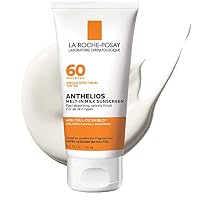

La Roche Posay Brightening Vitamin C Antioxidant Foaming Face Cleanser - 6.76 fl oz: For Normal, Oily, Combination Skin, Alcohol-Free
La Roche-PosayAnalysis updated August 2026 · How Scout scores
At a glance
Summary
This face cleanser contains beneficial ingredients like glycerin, niacinamide, and ceramide NP, which support skin hydration and barrier function. However, the presence of fragrance, which can cause irritation and allergic reactions, slightly lowers its safety profile. The product is moderately processed, which affects its overall rating, but it remains a generally safe choice for most skin types.
Key ingredients 22
GlycerinGood
Glycerin is a humectant that attracts moisture to the skin, helping to maintain hydration. It is well-tolerated and suitable for all skin types.
Risks
There are minimal risks associated with glycerin, though in rare cases it may cause irritation.
Benefits
Glycerin helps to keep the skin hydrated and can improve skin barrier function.
Coco-BetaineGood
Coco-Betaine is a mild surfactant derived from coconut oil, used to cleanse the skin without stripping natural oils. It is considered gentle and suitable for sensitive skin.
Risks
In rare cases, it may cause mild irritation or allergic reactions.
Benefits
Coco-Betaine effectively cleanses the skin while maintaining its natural moisture balance.
PropanediolGood
Propanediol is a glycol that acts as a solvent and humectant, enhancing the absorption of other ingredients. It is generally considered safe and non-irritating.
Risks
Propanediol is generally safe, but some individuals may experience mild irritation.
Benefits
It improves the texture and absorption of skincare products, enhancing their efficacy.
Sodium Cocoyl GlycinateGood
Sodium Cocoyl Glycinate is a mild surfactant derived from coconut oil and glycine, known for its gentle cleansing properties. It is suitable for sensitive skin.
Risks
There are minimal risks, though it may cause irritation in very sensitive individuals.
Benefits
It cleanses the skin effectively without causing dryness or irritation.
Ceramide NPGood
Ceramide NP is a lipid that helps to restore and maintain the skin's natural barrier. It is beneficial for dry and sensitive skin.
Risks
There are minimal risks associated with ceramides.
Benefits
It strengthens the skin barrier and improves hydration.
NiacinamideGood
Niacinamide is a form of Vitamin B3 that improves skin texture, reduces inflammation, and enhances barrier function. It is suitable for all skin types.
Risks
There are minimal risks, though some may experience mild irritation.
Benefits
It helps to reduce redness, improve skin elasticity, and even out skin tone.
Ascorbyl GlucosideGood
Ascorbyl Glucoside is a stable form of Vitamin C that provides antioxidant benefits and brightens the skin. It is suitable for all skin types.
Risks
There are minimal risks, though some may experience mild irritation.
Benefits
It helps to reduce signs of aging and improve skin radiance.
TocopherolGood
Tocopherol, or Vitamin E, is an antioxidant that helps to protect the skin from free radical damage. It is suitable for all skin types.
Risks
There are minimal risks, though it may cause irritation in sensitive individuals.
Benefits
It provides antioxidant protection and helps to improve skin health.
Aqua / Water / EauNeutral
Water is a common solvent used in cosmetic formulations. It acts as a base for other ingredients to dissolve and mix. It does not provide direct benefits or risks.
Risks
There are no known risks associated with water in cosmetic formulations.
Benefits
Water helps to dissolve other ingredients and provides a medium for application.
PEG-120 Methyl Glucose DioleateNeutral
This ingredient is used as a thickener and emulsifier in cosmetic formulations. It helps to stabilize products and improve texture.
Risks
PEG compounds can sometimes be contaminated with impurities, but this is rare.
Benefits
It enhances the texture and stability of skincare products.
Sodium HydroxideNeutral
Sodium Hydroxide is used to adjust the pH of cosmetic products. It is effective in small concentrations.
Risks
In high concentrations, it can be irritating, but it is typically used in safe amounts.
Benefits
It helps to maintain the desired pH level of the product.
Sodium ChlorideNeutral
Sodium Chloride, or table salt, is used to thicken the aqueous portion of cosmetic products. It is generally safe and non-irritating.
Risks
Excessive use can lead to dryness, but it is typically used in safe amounts.
Benefits
It helps to improve the texture and viscosity of products.
Citric AcidNeutral
Citric Acid is used to adjust the acidity of cosmetic products. It can also act as a mild exfoliant.
Risks
In high concentrations, it may cause irritation, but it is typically used in safe amounts.
Benefits
It helps to maintain the pH balance of the product and can provide mild exfoliation.
PEG-60 Hydrogenated Castor OilNeutral
This ingredient is used as an emulsifier and surfactant in cosmetic formulations. It helps to mix oil and water components.
Risks
PEG compounds can sometimes be contaminated with impurities, but this is rare.
Benefits
It improves the texture and stability of skincare products.
HydroxyacetophenoneNeutral
Hydroxyacetophenone is an antioxidant and preservative used in cosmetic formulations. It helps to protect the product from degradation.
Risks
There are minimal risks associated with this ingredient.
Benefits
It provides antioxidant protection and enhances product stability.
Capryloyl GlycineNeutral
Capryloyl Glycine is used for its antimicrobial properties and to help regulate sebum production. It is generally considered safe.
Risks
There are minimal risks, though it may cause irritation in sensitive individuals.
Benefits
It helps to maintain skin balance and reduce the risk of breakouts.
Caprylyl GlycolNeutral
Caprylyl Glycol is used as a skin conditioning agent and preservative. It helps to improve the texture and feel of products.
Risks
There are minimal risks, though it may cause irritation in sensitive individuals.
Benefits
It enhances the moisturizing properties of skincare products.
Trisodium Ethylenediamine DisuccinateNeutral
This ingredient is a chelating agent that helps to stabilize cosmetic formulations by binding metal ions. It is generally considered safe.
Risks
There are minimal risks associated with this ingredient.
Benefits
It enhances the stability and shelf-life of products.
Pentylene GlycolNeutral
Pentylene Glycol is used as a solvent and humectant in cosmetic formulations. It helps to improve the texture and moisture retention of products.
Risks
There are minimal risks, though it may cause irritation in sensitive individuals.
Benefits
It enhances the moisturizing properties and texture of skincare products.
Disodium EDTABad
Processed additive flagged under Scout's ingredient doctrine.
Risks
There are minimal risks, though it can cause irritation in sensitive individuals.
Benefits
It enhances the stability and shelf-life of products.
Acrylates CopolymerBad
Processed additive flagged under Scout's ingredient doctrine.
Risks
There are minimal risks, though it may cause irritation in sensitive individuals.
Benefits
It enhances the texture and stability of skincare products.
Parfum / FragranceVery Bad
Fragrance is used to add scent to cosmetic products but can cause irritation and allergic reactions. It is often a mixture of various chemicals.
Risks
Fragrance can cause skin irritation and allergic reactions, especially in sensitive individuals.
Benefits
It provides a pleasant scent to the product, enhancing user experience.
Get the full breakdown in the Scout appTake Scout shopping
Scan any product to see lab results, healthy alternatives, and your personalized analysis.
Download on theApp Store GET IT ONGoogle Play