
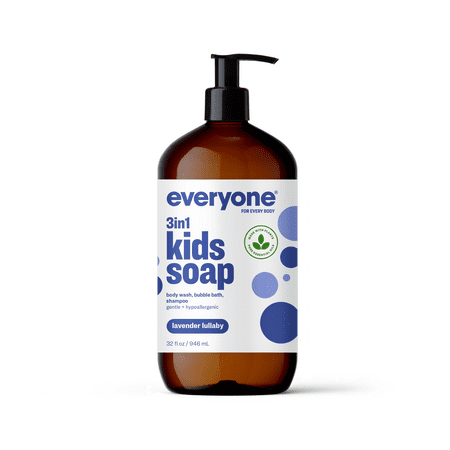

EO Lavender Lullaby Kids 3in1 Soap
Analysis updated August 2026 · How Scout scores
At a glance
Summary
This product contains several beneficial ingredients such as mild surfactants, essential oils, and organic herbal extracts that are known for their soothing and moisturizing properties. However, the presence of phenoxyethanol, a controversial preservative, slightly detracts from its overall safety profile. The product is processed, which limits its score, but it still maintains a relatively clean ingredient list with minimal synthetic additives.
Key ingredients 17
PanthenolVery Good
Panthenol, also known as provitamin B5, is a moisturizing agent that helps improve skin hydration. It is known for its soothing and anti-inflammatory properties. It is widely used in skincare for its ability to enhance skin barrier function.
Risks
There are minimal risks associated with panthenol.
Benefits
It helps in moisturizing the skin, reducing inflammation, and improving skin texture.
EO Organic Herbal BlendVery Good
The EO Organic Herbal Blend includes aloe vera, chamomile, calendula, and green tea extracts, known for their soothing and antioxidant properties. These botanicals are beneficial for calming and protecting the skin. They are widely used in skincare for their natural healing properties.
Risks
There are minimal risks associated with these botanical extracts.
Benefits
They provide soothing, anti-inflammatory, and antioxidant benefits, enhancing skin health.
TocopherolVery Good
Tocopherol, or Vitamin E, is an antioxidant that helps protect the skin from free radical damage. It is known for its moisturizing and skin-conditioning properties. It is widely used in skincare for its ability to enhance skin health.
Risks
There are minimal risks associated with tocopherol.
Benefits
It provides antioxidant protection and helps in maintaining skin moisture and elasticity.
Caprylyl/Capryl GlucosideGood
Caprylyl/Capryl Glucoside is a mild, non-ionic surfactant derived from sugar and fatty alcohols. It is used for its gentle cleansing properties. It is biodegradable and considered safe for sensitive skin.
Risks
There are minimal risks associated with this ingredient.
Benefits
It provides effective cleansing while being gentle on the skin and environmentally friendly.
Coco-GlucosideGood
Coco-Glucoside is a mild, non-ionic surfactant derived from coconut oil and glucose. It is used for its gentle cleansing and foaming properties. It is biodegradable and suitable for sensitive skin.
Risks
There are minimal risks associated with this ingredient.
Benefits
It provides gentle cleansing and is environmentally friendly.
EO Essential Oil BlendGood
The EO Essential Oil Blend includes lavender, lavandin, and orange peel oils, which are known for their soothing and aromatic properties. These oils can provide a calming effect and pleasant fragrance. They are generally considered safe in diluted forms.
Risks
Essential oils may cause allergic reactions in sensitive individuals.
Benefits
They offer soothing, aromatic benefits and can enhance the sensory experience of the product.
GlycerinGood
Glycerin is a humectant that attracts moisture to the skin, helping to keep it hydrated. It is a common ingredient in skincare products due to its moisturizing properties. It is considered safe and effective for all skin types.
Risks
There are minimal risks associated with glycerin.
Benefits
It helps in maintaining skin hydration and improving skin barrier function.
WaterNeutral
Water is a common solvent used in cosmetic formulations. It helps dissolve other ingredients and provides a base for the product. It is generally considered safe and non-irritating.
Risks
There are no significant risks associated with water in cosmetic products.
Benefits
Water helps in hydrating the skin and acts as a carrier for other beneficial ingredients.
Cocamidopropyl HydroxysultaineNeutral
Cocamidopropyl Hydroxysultaine is a mild surfactant derived from coconut oil. It is used to create foam and cleanse the skin. It is generally considered safe for use in personal care products.
Risks
In rare cases, it may cause skin irritation or allergic reactions.
Benefits
It provides gentle cleansing without stripping the skin of its natural oils.
Sodium Coco-SulfateNeutral
Sodium Coco-Sulfate is a surfactant derived from coconut oil. It is used to create lather and cleanse the skin. It is considered milder than sodium lauryl sulfate.
Risks
It may cause mild irritation in sensitive individuals.
Benefits
It effectively cleanses the skin while being less harsh than traditional sulfates.
Sodium ChlorideNeutral
Sodium Chloride, or table salt, is used to thicken the consistency of cosmetic products. It is generally recognized as safe for use in personal care products.
Risks
In high concentrations, it may cause skin dryness or irritation.
Benefits
It helps in adjusting the viscosity of the product, improving its texture and application.
Citric AcidNeutral
Citric Acid is used to adjust the pH of cosmetic products. It is an alpha hydroxy acid (AHA) that can also provide mild exfoliation. It is generally considered safe in low concentrations.
Risks
In high concentrations, it may cause skin irritation or sensitivity.
Benefits
It helps in maintaining the product's pH balance and can provide mild exfoliation.
Sodium PhytateNeutral
Sodium Phytate is a chelating agent used to stabilize cosmetic formulations. It helps in preventing the degradation of the product by binding metal ions. It is considered safe for use in personal care products.
Risks
There are minimal risks associated with sodium phytate.
Benefits
It enhances the stability and shelf life of the product.
PhenoxyethanolBad
Phenoxyethanol is a preservative used to prevent microbial growth in cosmetic products. It is effective but can cause skin irritation and allergic reactions in some individuals. It is a controversial ingredient due to potential toxicity concerns.
Risks
It may cause skin irritation or allergic reactions, especially in sensitive individuals.
Benefits
It helps in preserving the product by preventing microbial contamination.
Benzyl AlcoholBad
Processed additive flagged under Scout's ingredient doctrine.
Risks
In high concentrations, it may cause skin irritation or allergic reactions.
Benefits
It helps in preserving the product and enhancing its stability.
Potassium SorbateBad
Synthetic preservative — flagged in daily-use products.
Risks
It may cause mild skin irritation in sensitive individuals.
Benefits
It helps in extending the shelf life of the product by preventing microbial growth.
LimoneneBad
Processed additive flagged under Scout's ingredient doctrine.
Risks
It may cause skin irritation or allergic reactions in sensitive individuals.
Benefits
It provides a natural citrus fragrance and can have mild antibacterial properties.
Get the full breakdown in the Scout appTake Scout shopping
Scan any product to see lab results, healthy alternatives, and your personalized analysis.
Download on theApp Store GET IT ONGoogle PlayAmazon pricing & content
Amazon price as of . Product prices and availability are accurate as of the date/time indicated and are subject to change. Any price and availability information displayed on Amazon.com at the time of purchase will apply to the purchase of this product.
CERTAIN CONTENT THAT APPEARS ON THIS SITE COMES FROM AMAZON. THIS CONTENT IS PROVIDED “AS IS” AND IS SUBJECT TO CHANGE OR REMOVAL AT ANY TIME.