
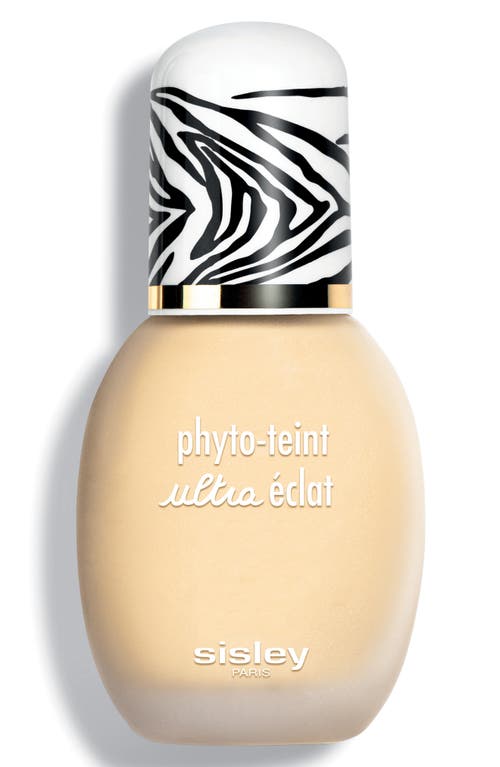
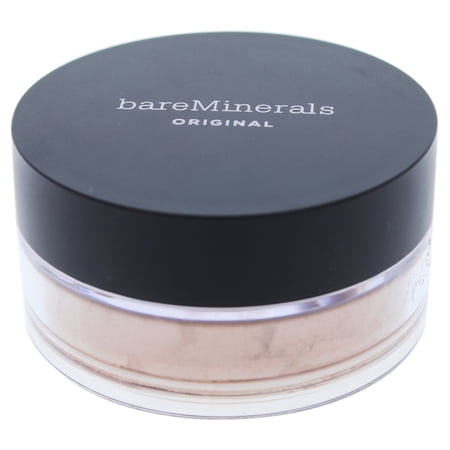
Sisley Paris Phyto-Teint Ultra Éclat Oil-Free Foundation 0 Porcelaine
Analysis updated September 2026 · How Scout scores
At a glance
Summary
This foundation contains beneficial botanical extracts like buckwheat seed, mallow flower, and gardenia flower, which offer antioxidant and soothing properties. However, it also includes fragrance and phenoxyethanol, which can be irritants and cause allergic reactions in some individuals. The presence of PEG/PPG compounds and synthetic polymers indicates a moderate level of processing, impacting the overall safety and naturalness of the product.
Key ingredients 38
POLYGONUM FAGOPYRUM (BUCKWHEAT) SEED EXTRACTGood
Buckwheat Seed Extract is known for its antioxidant properties. It helps in protecting the skin from environmental stressors.
Risks
Generally considered safe with minimal risk of irritation.
Benefits
Provides antioxidant benefits and helps in skin protection.
MALVA SYLVESTRIS (MALLOW) FLOWER EXTRACTGood
Mallow Flower Extract is used for its soothing and anti-inflammatory properties. It helps in calming irritated skin.
Risks
Generally safe with minimal risk of irritation.
Benefits
Soothes and calms the skin, reducing inflammation.
GARDENIA FLORIDA FLOWER EXTRACTGood
Gardenia Flower Extract is known for its antioxidant and anti-inflammatory properties. It helps in protecting and soothing the skin.
Risks
Generally considered safe with minimal risk of irritation.
Benefits
Provides antioxidant protection and soothes the skin.
AQUA/WATER/EAUNeutral
Water is a common solvent used in cosmetics to dissolve other ingredients. It is essential for the formulation but does not provide direct benefits or risks.
Risks
There are no significant risks associated with water in cosmetics.
Benefits
Water helps in the application and spreadability of the product.
PHENYL TRIMETHICONENeutral
Phenyl Trimethicone is a silicone that enhances the spreadability and provides a glossy finish. It is used to improve the texture of the product.
Risks
May cause skin irritation in sensitive individuals.
Benefits
Provides a smooth, silky feel and enhances the product's finish.
BUTYLENE GLYCOLNeutral
Butylene Glycol is a common solvent and conditioning agent in cosmetics. It helps in improving the texture and moisture retention of the product.
Risks
Can cause irritation in very sensitive skin types.
Benefits
Acts as a humectant, helping to retain moisture in the skin.
SILICANeutral
Silica is used as a thickening agent and to improve the texture of the product. It provides a matte finish and helps in oil absorption.
Risks
Inhalation of silica particles can be harmful, but this risk is minimal in liquid formulations.
Benefits
Helps control shine and provides a smooth finish.
PEG/PPG-18/18 DIMETHICONENeutral
This is a silicone-based polymer used for its conditioning properties and to improve the spreadability of the product. It helps in forming a protective barrier on the skin.
Risks
May cause irritation in sensitive skin types.
Benefits
Improves the texture and application of the product.
ISOHEXADECANENeutral
Isohexadecane is used as an emollient and solvent in cosmetics. It provides a lightweight, non-greasy feel.
Risks
Generally considered safe, but can cause irritation in very sensitive skin.
Benefits
Enhances the spreadability and feel of the product.
TRIMETHYLSILOXYSILICATENeutral
Trimethylsiloxysilicate is a silicone resin used to provide water resistance and long-lasting wear. It forms a film on the skin.
Risks
May cause irritation in sensitive skin types.
Benefits
Improves the longevity and water resistance of the product.
ETHYLENE/ACRYLIC ACID COPOLYMERNeutral
This copolymer is used as a film-forming agent to enhance the durability of the product. It helps in providing a smooth finish.
Risks
Generally considered safe, but can cause irritation in sensitive individuals.
Benefits
Improves the wear and finish of the product.
POLYSORBATE 20Neutral
Polysorbate 20 is an emulsifier used to stabilize formulations. It helps in mixing oil and water components.
Risks
May cause irritation in sensitive skin types.
Benefits
Stabilizes the formulation and improves texture.
DIMETHICONE CROSSPOLYMERNeutral
Dimethicone Crosspolymer is used to enhance the texture and spreadability of the product. It provides a silky, smooth feel.
Risks
May cause irritation in sensitive skin types.
Benefits
Improves the texture and application of the product.
SODIUM CHLORIDENeutral
Sodium Chloride is used as a thickening agent in cosmetics. It helps in adjusting the viscosity of the product.
Risks
Generally safe, but excessive use can lead to dryness.
Benefits
Helps in maintaining the consistency of the product.
DISODIUM COCOYL GLUTAMATENeutral
Disodium Cocoyl Glutamate is a mild surfactant used for its cleansing properties. It is derived from coconut oil and glutamic acid.
Risks
Generally considered safe with minimal risk of irritation.
Benefits
Provides gentle cleansing without stripping natural oils.
ALUMINUM/MAGNESIUM HYDROXIDE STEARATENeutral
This compound is used as a thickening and stabilizing agent in cosmetics. It helps in maintaining the consistency of the product.
Risks
Generally considered safe with minimal risk of irritation.
Benefits
Stabilizes the formulation and improves texture.
CITRIC ACIDNeutral
Citric Acid is used to adjust the pH of cosmetic formulations. It also acts as a mild exfoliant.
Risks
Can cause irritation in sensitive skin if used in high concentrations.
Benefits
Helps in maintaining the pH balance of the product.
SODIUM COCOYL GLUTAMATENeutral
Sodium Cocoyl Glutamate is a mild surfactant derived from coconut oil and glutamic acid. It is used for its cleansing properties.
Risks
Generally considered safe with minimal risk of irritation.
Benefits
Provides gentle cleansing without stripping natural oils.
MAGNESIUM ASPARTATENeutral
Magnesium Aspartate is used for its conditioning properties in cosmetics. It helps in maintaining skin hydration.
Risks
Generally considered safe with minimal risk of irritation.
Benefits
Helps in maintaining skin hydration and conditioning.
ZINC GLUCONATENeutral
Zinc Gluconate is used for its anti-inflammatory and antimicrobial properties. It helps in soothing and protecting the skin.
Risks
Generally considered safe with minimal risk of irritation.
Benefits
Provides anti-inflammatory and antimicrobial benefits.
POLOXAMER 338Neutral
Poloxamer 338 is used as an emulsifying and stabilizing agent in cosmetics. It helps in maintaining the consistency of the product.
Risks
Generally considered safe with minimal risk of irritation.
Benefits
Stabilizes the formulation and improves texture.
COPPER GLUCONATENeutral
Copper Gluconate is used for its antioxidant properties in cosmetics. It helps in protecting the skin from oxidative stress.
Risks
Generally considered safe with minimal risk of irritation.
Benefits
Provides antioxidant protection for the skin.
SODIUM DEHYDROACETATENeutral
Sodium Dehydroacetate is a preservative used to inhibit microbial growth in cosmetics. It helps in maintaining product safety.
Risks
Generally considered safe with minimal risk of irritation.
Benefits
Preserves the product and prevents microbial contamination.
TITANIUM DIOXIDE (CI 77891)Neutral
Titanium Dioxide is used as a pigment and UV filter in cosmetics. It provides coverage and sun protection.
Risks
Inhalation of fine particles can be harmful, but this risk is minimal in liquid formulations.
Benefits
Provides coverage and protection from UV radiation.
IRON OXIDES (CI 77491, CI 77492, CI 77499)Neutral
Iron Oxides are used as pigments in cosmetics to provide color. They are stable and non-toxic.
Risks
Generally considered safe with minimal risk of irritation.
Benefits
Provides color and pigmentation to the product.
HEXYL CINNAMALNeutral
Hexyl Cinnamal is a fragrance ingredient used to impart a floral scent. It is commonly used in cosmetics.
Risks
Can cause allergic reactions in sensitive individuals.
Benefits
Provides a pleasant floral scent to the product.
ALPHA-ISOMETHYL IONONENeutral
Alpha-Isomethyl Ionone is a fragrance ingredient used to impart a floral scent. It is commonly used in cosmetics.
Risks
Can cause allergic reactions in sensitive individuals.
Benefits
Provides a pleasant floral scent to the product.
CITRONELLOLNeutral
Citronellol is a fragrance ingredient used to impart a floral scent. It is commonly used in cosmetics.
Risks
Can cause allergic reactions in sensitive individuals.
Benefits
Provides a pleasant floral scent to the product.
GERANIOLNeutral
Geraniol is a fragrance ingredient used to impart a rose-like scent. It is commonly used in cosmetics.
Risks
Can cause allergic reactions in sensitive individuals.
Benefits
Provides a pleasant rose-like scent to the product.
COUMARINNeutral
Coumarin is a fragrance ingredient used to impart a sweet, vanilla-like scent. It is commonly used in cosmetics.
Risks
Can cause allergic reactions in sensitive individuals.
Benefits
Provides a pleasant sweet scent to the product.
BENZYL SALICYLATENeutral
Benzyl Salicylate is a fragrance ingredient used to impart a floral scent. It is commonly used in cosmetics.
Risks
Can cause allergic reactions in sensitive individuals.
Benefits
Provides a pleasant floral scent to the product.
DIMETHICONEBad
Occlusive silicone film-former — flagged under clean-beauty doctrine.
Risks
It may cause breakouts in some individuals with sensitive skin.
Benefits
It helps in improving the texture and spreadability of the product.
PHENOXYETHANOLBad
Phenoxyethanol is a preservative used to prevent microbial growth in cosmetics. It can cause irritation and allergic reactions in some individuals.
Risks
Potential for skin irritation and allergic reactions.
Benefits
Helps in preserving the product and extending its shelf life.
SODIUM BENZOATEBad
Synthetic preservative that can form benzene in the presence of vitamin C.
Risks
Generally considered safe, but can cause irritation in sensitive skin.
Benefits
Helps in preserving the product and extending its shelf life.
POTASSIUM SORBATEBad
Synthetic preservative — flagged in daily-use products.
Risks
Generally considered safe, but can cause irritation in sensitive skin.
Benefits
Helps in preserving the product and preventing microbial contamination.
LINALOOLBad
Processed additive flagged under Scout's ingredient doctrine.
Risks
Can cause allergic reactions in sensitive individuals.
Benefits
Provides a pleasant floral scent to the product.
EUGENOLBad
Processed additive flagged under Scout's ingredient doctrine.
Risks
Can cause allergic reactions in sensitive individuals.
Benefits
Provides a pleasant spicy scent to the product.
PARFUM/FRAGRANCEVery Bad
Fragrance is used to impart scent to cosmetics but can be a common irritant. It may contain undisclosed chemicals that can cause allergic reactions.
Risks
Potential for skin irritation and allergic reactions.
Benefits
Provides a pleasant scent to the product.
Get the full breakdown in the Scout appTake Scout shopping
Scan any product to see lab results, healthy alternatives, and your personalized analysis.
Download on theApp Store GET IT ONGoogle PlayAmazon pricing & content
Amazon price as of . Product prices and availability are accurate as of the date/time indicated and are subject to change. Any price and availability information displayed on Amazon.com at the time of purchase will apply to the purchase of this product.
CERTAIN CONTENT THAT APPEARS ON THIS SITE COMES FROM AMAZON. THIS CONTENT IS PROVIDED “AS IS” AND IS SUBJECT TO CHANGE OR REMOVAL AT ANY TIME.