


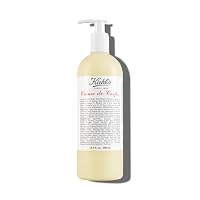
Kiehl's Since 1851 Midnight Recovery Concentrate Moisturizing Face Oil, 1-oz.
Analysis updated August 2026 · How Scout scores
At a glance
Summary
This face oil contains a variety of beneficial ingredients such as squalane, rosehip oil, and jojoba oil, which are known for their moisturizing and skin-nourishing properties. However, the presence of several fragrance components like linalool, citronellol, and geraniol, which are potential allergens and skin irritants, slightly detracts from its overall safety profile. Despite these concerns, the product maintains a relatively clean ingredient list with minimal processing, contributing to a favorable rating.
Key ingredients 23
SqualaneVery Good
Squalane is a highly effective emollient and natural antioxidant. It mimics the skin's natural oils, making it an excellent moisturizer. It is non-comedogenic and suitable for all skin types.
Risks
There are minimal risks, though it may cause breakouts in very oily skin types.
Benefits
It helps to hydrate and protect the skin, improving its elasticity and texture.
Rosa Canina Fruit OilVery Good
Rosa Canina Fruit Oil, also known as rosehip oil, is rich in essential fatty acids and antioxidants. It is known for its ability to hydrate and nourish the skin. It is often used to improve skin tone and texture.
Risks
It may cause irritation or allergic reactions in sensitive individuals.
Benefits
It helps to reduce the appearance of scars and fine lines, promoting a more even skin tone.
Oenothera Biennis Oil/Evening Primrose OilVery Good
Evening Primrose Oil is rich in gamma-linolenic acid, an essential fatty acid. It is known for its anti-inflammatory properties and ability to improve skin elasticity. It is beneficial for dry and sensitive skin.
Risks
It may cause mild irritation in some individuals.
Benefits
It helps to soothe and moisturize the skin, reducing redness and irritation.
Simmondsia Chinensis Oil/Jojoba Seed OilVery Good
Jojoba Seed Oil is a natural emollient that closely resembles the skin's own sebum. It is non-comedogenic and helps to balance oil production. It is suitable for all skin types and is highly moisturizing.
Risks
There are minimal risks, though it may cause mild irritation in rare cases.
Benefits
It helps to hydrate and protect the skin, improving its overall health and appearance.
TocopherolVery Good
Tocopherol, or Vitamin E, is a powerful antioxidant that helps to protect the skin from free radical damage. It is often used to improve skin hydration and elasticity. It is suitable for all skin types.
Risks
There are minimal risks, though it may cause irritation in very sensitive skin.
Benefits
It helps to nourish and protect the skin, reducing signs of aging and improving overall skin health.
Cucumis Sativus Extract/Cucumber Fruit ExtractVery Good
Cucumber Fruit Extract is known for its soothing and hydrating properties. It is often used to calm irritated skin and reduce puffiness. It is suitable for all skin types.
Risks
There are minimal risks, though it may cause mild irritation in very sensitive skin.
Benefits
It helps to soothe and hydrate the skin, reducing puffiness and irritation.
Curcuma Longa Extract/Turmeric Root ExtractVery Good
Turmeric Root Extract is known for its anti-inflammatory and antioxidant properties. It is often used to brighten the skin and reduce signs of aging. It is suitable for most skin types.
Risks
It may cause mild irritation in sensitive skin.
Benefits
It helps to brighten the skin and reduce inflammation, improving overall skin health.
Rosa Spp/Rose Flower OilVery Good
Rose Flower Oil is known for its soothing and hydrating properties. It is often used to improve skin texture and reduce redness. It is suitable for all skin types.
Risks
It may cause irritation or allergic reactions in sensitive individuals.
Benefits
It helps to soothe and hydrate the skin, improving its texture and appearance.
Helianthus Annuus Seed Oil/Sunflower Seed OilVery Good
Sunflower Seed Oil is a non-comedogenic carrier oil that is highly absorbent. It is rich in vitamins A, D, and E, and is known for its moisturizing properties. It is suitable for all skin types.
Risks
There are minimal risks, though it may cause mild irritation in very sensitive skin.
Benefits
It helps to moisturize and nourish the skin, improving its overall health and appearance.
Caprylic/Capric TriglycerideGood
Caprylic/Capric Triglyceride is a mixed triester derived from coconut oil and glycerin. It is used as an emollient and helps to replenish the skin's surface. It is generally well-tolerated and non-irritating.
Risks
There are minimal risks associated with this ingredient, though it may cause mild irritation in very sensitive skin.
Benefits
It provides a lightweight, non-greasy barrier of lubrication that helps to make the skin feel smooth and soft.
Dicaprylyl CarbonateNeutral
Dicaprylyl Carbonate is an emollient that provides a velvety skin feel. It is often used to enhance the spreadability of products. It is generally considered safe for use in cosmetics.
Risks
There are no significant risks associated with this ingredient.
Benefits
It helps to improve the texture and application of skincare products.
Coriandrum Sativum Oil/Coriander Seed OilNeutral
Coriander Seed Oil is used for its aromatic properties and potential antimicrobial effects. It is generally considered safe for use in cosmetics. It may provide a pleasant scent to the product.
Risks
It may cause allergic reactions in individuals sensitive to coriander.
Benefits
It may help to provide a natural fragrance and has potential antimicrobial benefits.
Lavandula Angustifolia Oil/Lavender OilNeutral
Lavender Oil is known for its calming and soothing properties. It is often used in aromatherapy and skincare for its pleasant scent. It may have mild antimicrobial effects.
Risks
It can cause irritation or allergic reactions in sensitive skin.
Benefits
It provides a calming aroma and may help to soothe irritated skin.
Pelargonium Graveolens Flower OilNeutral
Pelargonium Graveolens Flower Oil, commonly known as geranium oil, is used for its fragrance and potential skin-balancing properties. It is generally considered safe for use in cosmetics. It may help to improve the appearance of the skin.
Risks
It may cause irritation or allergic reactions in sensitive individuals.
Benefits
It provides a pleasant fragrance and may help to balance oily and dry skin.
Rosmarinus Officinalis Leaf Oil/Rosemary Leaf OilNeutral
Rosemary Leaf Oil is used for its aromatic properties and potential antioxidant benefits. It is generally considered safe for use in cosmetics. It may help to invigorate and refresh the skin.
Risks
It may cause irritation or allergic reactions in sensitive skin.
Benefits
It provides a refreshing scent and may have antioxidant properties.
Lavandula Hybrida OilNeutral
Lavandula Hybrida Oil is used for its aromatic properties and potential calming effects. It is generally considered safe for use in cosmetics. It may help to soothe and relax the skin.
Risks
It can cause irritation or allergic reactions in sensitive skin.
Benefits
It provides a calming aroma and may help to soothe irritated skin.
SclareolideNeutral
Sclareolide is a fragrance ingredient used for its musky scent. It is generally considered safe for use in cosmetics. It may help to enhance the fragrance profile of a product.
Risks
There are minimal risks associated with this ingredient.
Benefits
It provides a musky scent and may enhance the overall fragrance of the product.
Jasminum Officinale Extract/Jasmine ExtractNeutral
Jasmine Extract is used for its aromatic properties and potential skin-soothing effects. It is generally considered safe for use in cosmetics. It may help to improve the fragrance profile of a product.
Risks
It may cause irritation or allergic reactions in sensitive skin.
Benefits
It provides a pleasant floral scent and may help to soothe the skin.
LinaloolBad
Linalool is a naturally occurring terpene alcohol found in many flowers and spice plants. It is used for its fragrance in cosmetics. However, it is a known allergen and can cause skin irritation.
Risks
It can cause allergic reactions and skin irritation, especially in sensitive individuals.
Benefits
It provides a pleasant floral scent to cosmetic products.
CitronellolBad
Citronellol is a fragrance ingredient that is naturally occurring in essential oils. It is used for its floral scent in cosmetics. However, it is a known allergen and can cause skin irritation.
Risks
It can cause allergic reactions and skin irritation, especially in sensitive individuals.
Benefits
It provides a pleasant floral scent to cosmetic products.
GeraniolBad
Geraniol is a fragrance ingredient used for its rose-like scent. It is naturally occurring in essential oils. However, it is a known allergen and can cause skin irritation.
Risks
It can cause allergic reactions and skin irritation, especially in sensitive individuals.
Benefits
It provides a pleasant floral scent to cosmetic products.
LimoneneBad
Limonene is a fragrance ingredient used for its citrus scent. It is naturally occurring in citrus oils. However, it is a known allergen and can cause skin irritation.
Risks
It can cause allergic reactions and skin irritation, especially in sensitive individuals.
Benefits
It provides a fresh citrus scent to cosmetic products.
CitralBad
Citral is a fragrance ingredient used for its lemon scent. It is naturally occurring in essential oils. However, it is a known allergen and can cause skin irritation.
Risks
It can cause allergic reactions and skin irritation, especially in sensitive individuals.
Benefits
It provides a fresh lemon scent to cosmetic products.
Processing
Processed Foods
Get the full breakdown in the Scout appTake Scout shopping
Scan any product to see lab results, healthy alternatives, and your personalized analysis.
Download on theApp Store GET IT ONGoogle PlayAmazon pricing & content
Amazon price as of . Product prices and availability are accurate as of the date/time indicated and are subject to change. Any price and availability information displayed on Amazon.com at the time of purchase will apply to the purchase of this product.
CERTAIN CONTENT THAT APPEARS ON THIS SITE COMES FROM AMAZON. THIS CONTENT IS PROVIDED “AS IS” AND IS SUBJECT TO CHANGE OR REMOVAL AT ANY TIME.