

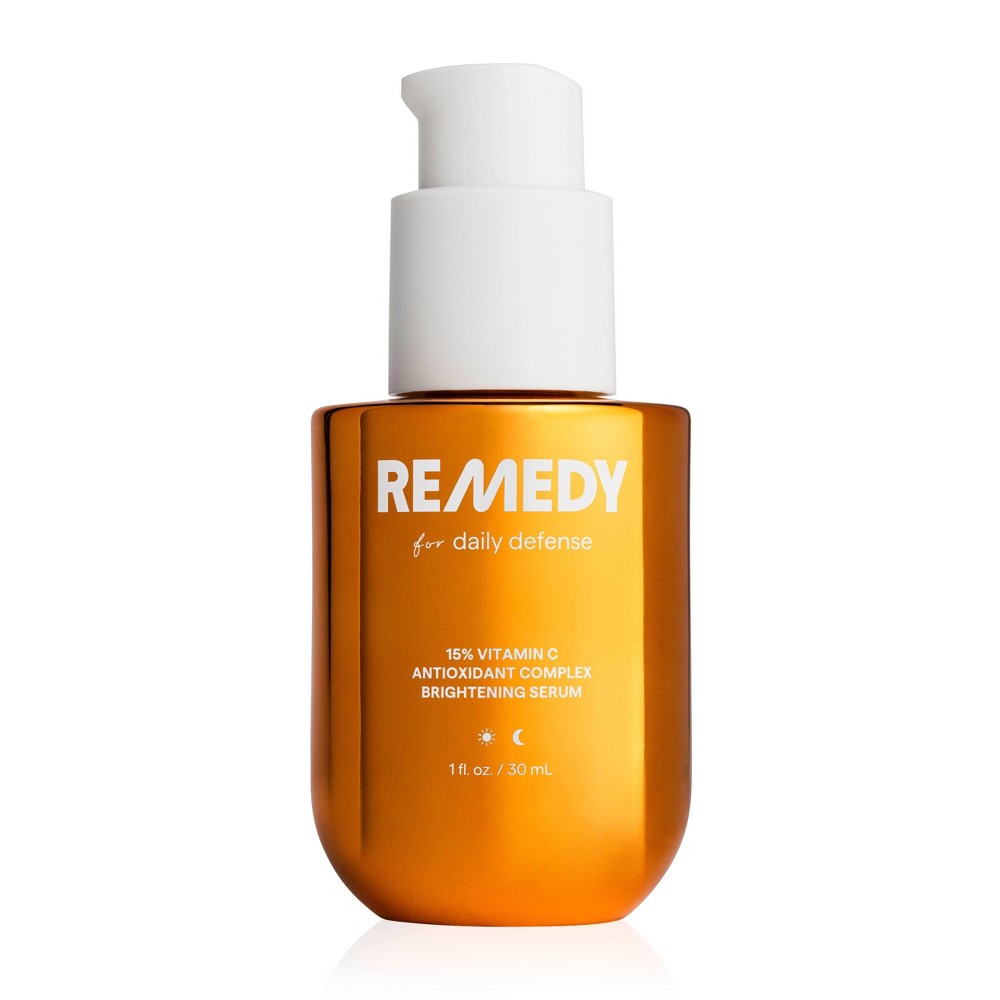
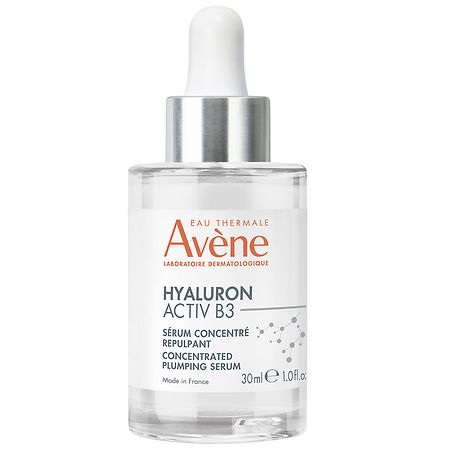
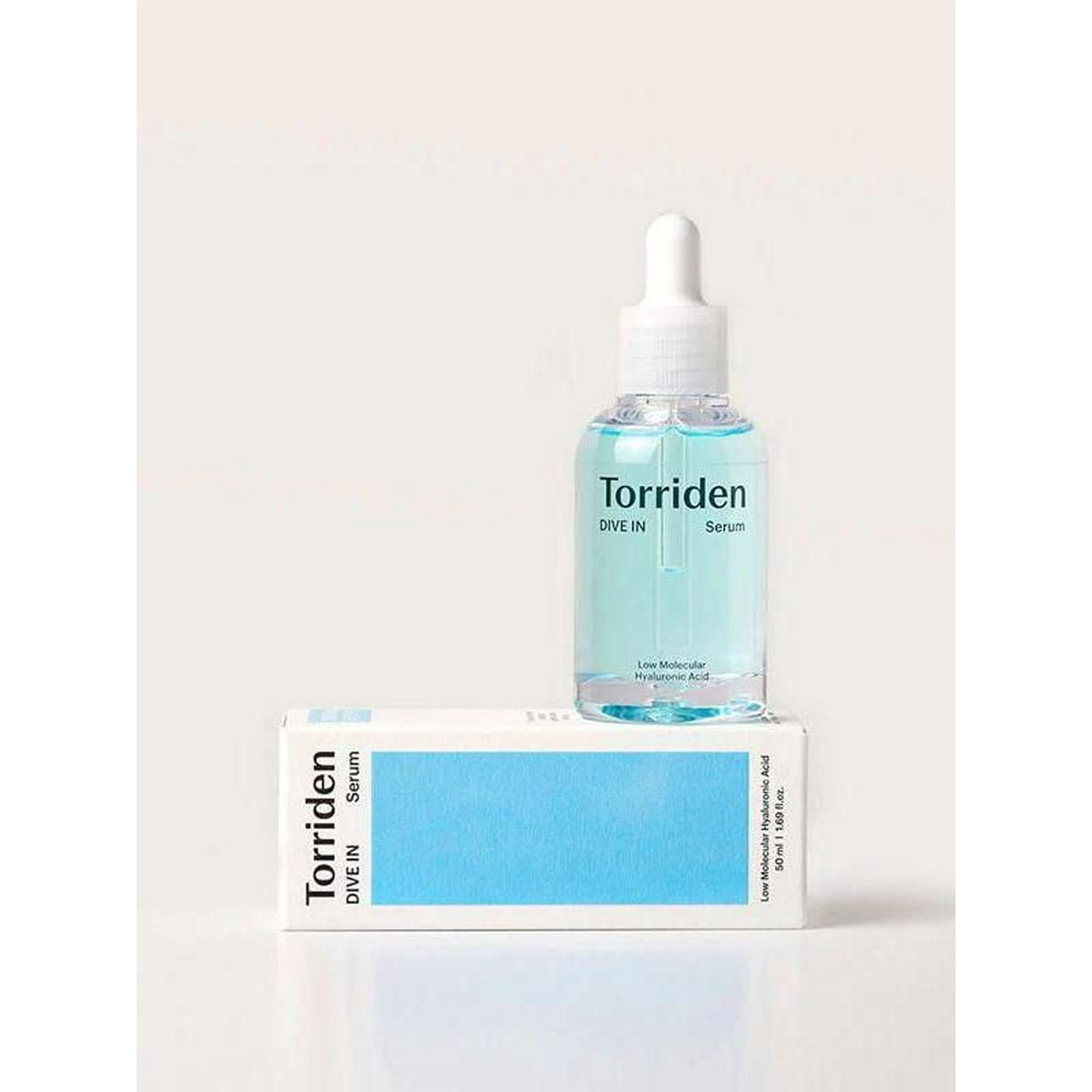
Biossance Firm and Lift Hydrating Dual Serum with Hyaluronic Acid + Squalane, Size: 1 FL Oz, None
Analysis updated July 2026 · How Scout scores
At a glance
Summary
This serum contains beneficial ingredients like squalane, sodium hyaluronate, and moringa oleifera seed oil, which are known for their moisturizing and antioxidant properties. However, the presence of phenoxyethanol, a preservative that can be irritating and is considered a potential allergen, slightly lowers its safety profile. The product is processed, which also impacts its overall rating, despite the presence of mostly natural and effective ingredients.
Key ingredients 17
SqualaneVery Good
Squalane is a highly effective emollient and natural antioxidant. It mimics the skin's natural oils, making it an excellent moisturizer. It is non-irritating and suitable for all skin types.
Risks
There are minimal risks associated with squalane as it is generally well-tolerated.
Benefits
Squalane provides deep hydration and helps to maintain the skin's moisture barrier.
Hippophae Rhamnoides Fruit OilVery Good
Hippophae rhamnoides fruit oil, also known as sea buckthorn oil, is rich in vitamins and antioxidants. It helps to nourish and protect the skin, promoting a healthy complexion. It is beneficial for dry and damaged skin.
Risks
Hippophae rhamnoides fruit oil is generally safe, but in rare cases, it may cause mild irritation.
Benefits
Hippophae rhamnoides fruit oil provides nourishment and protection to the skin, promoting a healthy complexion.
Moringa Oleifera Seed OilVery Good
Moringa oleifera seed oil is a natural oil rich in antioxidants and fatty acids. It helps to moisturize and nourish the skin, improving its texture and appearance. It is beneficial for dry and aging skin.
Risks
Moringa oleifera seed oil is generally safe, but in rare cases, it may cause mild irritation.
Benefits
Moringa oleifera seed oil provides deep hydration and nourishment to the skin, improving its texture and appearance.
GlycerinGood
Glycerin is a humectant that attracts moisture to the skin. It helps to keep the skin hydrated and soft. It is widely used in skincare for its moisturizing properties.
Risks
Glycerin is generally safe, but in rare cases, it may cause irritation if used in high concentrations.
Benefits
Glycerin helps to maintain skin hydration and improve skin barrier function.
Sodium HyaluronateGood
Sodium hyaluronate is a form of hyaluronic acid that is highly effective in retaining moisture. It penetrates the skin easily and provides long-lasting hydration. It is beneficial for all skin types, especially dry and aging skin.
Risks
There are minimal risks associated with sodium hyaluronate as it is generally well-tolerated.
Benefits
Sodium hyaluronate provides deep hydration and helps to plump and smooth the skin.
EctoinGood
Ectoin is a natural compound known for its protective and moisturizing properties. It helps to stabilize cell membranes and protect the skin from environmental stress. It is beneficial for sensitive and irritated skin.
Risks
Ectoin is generally safe, but in rare cases, it may cause mild irritation.
Benefits
Ectoin helps to protect the skin from environmental stress and improve skin hydration.
BisabololGood
Bisabolol is a natural compound derived from chamomile that has anti-inflammatory and soothing properties. It helps to calm irritated skin and reduce redness. It is beneficial for sensitive and reactive skin types.
Risks
Bisabolol is generally safe, but in rare cases, it may cause mild irritation.
Benefits
Bisabolol helps to soothe and calm the skin, reducing inflammation and redness.
Water/Aqua/EauNeutral
Water is a common solvent used in cosmetics to dissolve other ingredients. It helps in the application and absorption of the product. It does not provide direct benefits or risks.
Risks
There are no significant risks associated with water in cosmetics.
Benefits
Water helps in the application and absorption of the product.
PropanediolNeutral
Propanediol is a glycol used as a solvent and skin-conditioning agent in cosmetics. It helps to improve the texture and spreadability of the product. It is generally considered safe and non-irritating.
Risks
Propanediol is generally safe, but in rare cases, it may cause mild irritation.
Benefits
Propanediol helps to improve the texture and application of the product.
Citric AcidNeutral
Citric acid is used to adjust the pH of cosmetics and has mild exfoliating properties. It helps to maintain the stability and effectiveness of the product. It is generally safe in low concentrations.
Risks
In higher concentrations, citric acid may cause skin irritation or sensitivity.
Benefits
Citric acid helps to maintain the pH balance and stability of the product.
Sodium GluconateNeutral
Sodium gluconate is a chelating agent used to improve the stability of cosmetics. It helps to prevent the degradation of the product by binding metal ions. It does not provide direct skin benefits.
Risks
Sodium gluconate is generally safe, but in rare cases, it may cause mild irritation.
Benefits
Sodium gluconate helps to stabilize the product and extend its shelf life.
Leucojum Aestivum Bulb ExtractNeutral
Leucojum aestivum bulb extract is a plant extract used for its potential anti-aging properties. It is believed to help reduce the appearance of wrinkles and improve skin firmness. However, more research is needed to confirm its efficacy.
Risks
There is limited research on the safety of leucojum aestivum bulb extract, but it is generally considered safe.
Benefits
Leucojum aestivum bulb extract may help to reduce the appearance of wrinkles and improve skin firmness.
Acmella Oleracea ExtractNeutral
Acmella oleracea extract is a plant extract known for its potential skin-smoothing and firming properties. It is believed to help reduce the appearance of fine lines and wrinkles. However, more research is needed to confirm its efficacy.
Risks
There is limited research on the safety of acmella oleracea extract, but it is generally considered safe.
Benefits
Acmella oleracea extract may help to smooth and firm the skin, reducing the appearance of fine lines.
Melia Azadirachta ExtractNeutral
Melia azadirachta extract, also known as neem extract, is used for its potential antimicrobial and anti-inflammatory properties. It may help to soothe and protect the skin. However, more research is needed to confirm its efficacy.
Risks
There is limited research on the safety of melia azadirachta extract, but it is generally considered safe.
Benefits
Melia azadirachta extract may help to soothe and protect the skin with its antimicrobial properties.
Sodium BenzoateBad
Synthetic preservative that can form benzene in the presence of vitamin C.
Risks
In rare cases, sodium benzoate may cause skin irritation or allergic reactions.
Benefits
Sodium benzoate helps to extend the shelf life of the product by preventing microbial growth.
Potassium SorbateBad
Synthetic preservative — flagged in daily-use products.
Risks
In rare cases, potassium sorbate may cause skin irritation or allergic reactions.
Benefits
Potassium sorbate helps to extend the shelf life of the product by preventing microbial growth.
PhenoxyethanolBad
Phenoxyethanol is a preservative used to prevent bacterial growth in cosmetics. It is effective but can be irritating to the skin and eyes. It is considered a potential allergen and should be used with caution.
Risks
Phenoxyethanol may cause skin irritation, allergic reactions, and is toxic if ingested.
Benefits
Phenoxyethanol helps to preserve the product and prevent bacterial contamination.
Get the full breakdown in the Scout appTake Scout shopping
Scan any product to see lab results, healthy alternatives, and your personalized analysis.
Download on theApp Store GET IT ONGoogle Play