


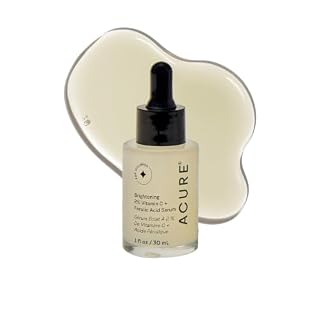
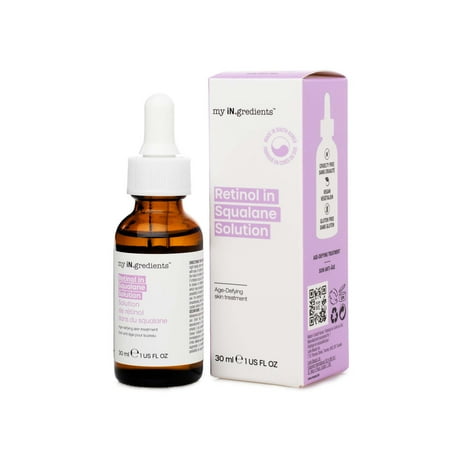

skin better AlphaRet Overnight Cream 50ML All Skin Types PM * In Box*
Analysis updated August 2026 · How Scout scores
At a glance
Summary
This overnight cream contains a variety of beneficial ingredients such as glycolic acid, niacinamide, and squalane, which are known for their skin-enhancing properties. The presence of natural emulsifiers and antioxidants further supports its positive profile. However, the inclusion of phenoxyethanol as a preservative, which can cause irritation in sensitive skin, slightly impacts its overall safety rating.
Key ingredients 53
Tetrahexyldecyl AscorbateVery Good
Tetrahexyldecyl Ascorbate is a stable form of Vitamin C. It provides antioxidant benefits and helps brighten the skin. It is effective in reducing signs of aging and improving skin tone.
Risks
Minimal risk of irritation; generally well-tolerated.
Benefits
Brightens skin and provides antioxidant protection.
SqualaneVery Good
Squalane is a natural emollient that mimics the skin's natural oils. It provides deep hydration and helps improve skin elasticity. It is non-comedogenic and suitable for all skin types.
Risks
Generally considered safe with minimal risk of irritation.
Benefits
Deeply hydrates and improves skin elasticity.
Ethyl Lactyl RetinoateVery Good
Ethyl Lactyl Retinoate is a derivative of retinol, known for its anti-aging properties. It helps improve skin texture and reduce the appearance of fine lines. It is effective in promoting cell turnover and improving skin tone.
Risks
May cause irritation or sensitivity, especially in sensitive skin.
Benefits
Improves skin texture and reduces fine lines.
Palmitoyl Tripeptide-1Very Good
Palmitoyl Tripeptide-1 is a peptide that helps stimulate collagen production. It improves skin elasticity and reduces the appearance of wrinkles. It is considered safe and beneficial for anti-aging purposes.
Risks
Generally considered safe with minimal risk of irritation.
Benefits
Stimulates collagen production and reduces wrinkles.
Palmitoyl Tetrapeptide-7Very Good
Palmitoyl Tetrapeptide-7 is a peptide known for its anti-inflammatory properties. It helps reduce skin redness and improve skin elasticity. It is effective in reducing signs of aging and improving skin texture.
Risks
Generally considered safe with minimal risk of irritation.
Benefits
Reduces redness and improves skin elasticity.
Butyrospermum Parkii (Shea) ButterVery Good
Shea Butter is a natural fat extracted from the nuts of the shea tree. It provides deep moisturization and improves skin elasticity. It is safe and beneficial for dry and sensitive skin.
Risks
Generally considered safe with minimal risk of irritation.
Benefits
Deeply moisturizes and improves skin elasticity.
PanthenolVery Good
Panthenol, or Provitamin B5, is known for its moisturizing and healing properties. It helps improve skin hydration and reduce inflammation. It is safe and beneficial for all skin types.
Risks
Generally considered safe with minimal risk of irritation.
Benefits
Moisturizes and heals the skin.
Camellia Sinensis Leaf ExtractVery Good
Camellia Sinensis Leaf Extract, or green tea extract, is rich in antioxidants. It helps protect the skin from oxidative stress and reduce inflammation. It is safe and beneficial for improving skin health.
Risks
Generally considered safe with minimal risk of irritation.
Benefits
Protects against oxidative stress and reduces inflammation.
Glycolic AcidGood
Glycolic Acid is an alpha hydroxy acid (AHA) known for its exfoliating properties. It helps in removing dead skin cells and promoting cell turnover. It is effective in improving skin texture and reducing signs of aging.
Risks
May cause irritation or sensitivity, especially in high concentrations.
Benefits
Promotes exfoliation and improves skin texture.
Cetearyl OlivateGood
Cetearyl Olivate is an emulsifier derived from olive oil. It helps blend oil and water-based ingredients and provides moisturizing properties. It is considered safe and beneficial for the skin.
Risks
Generally considered safe with minimal risk of irritation.
Benefits
Moisturizes the skin and improves texture.
Sorbitan OlivateGood
Sorbitan Olivate is an emulsifier derived from olive oil. It helps blend oil and water-based ingredients and provides moisturizing properties. It is considered safe and beneficial for the skin.
Risks
Generally considered safe with minimal risk of irritation.
Benefits
Moisturizes the skin and improves texture.
GlycerinGood
Glycerin is a natural humectant that attracts moisture to the skin. It helps maintain hydration and improves skin barrier function. It is safe and widely used in skincare products.
Risks
Generally considered safe with minimal risk of irritation.
Benefits
Hydrates the skin and improves barrier function.
NiacinamideGood
Niacinamide is a form of Vitamin B3 known for its anti-inflammatory and brightening properties. It helps improve skin texture, reduce redness, and even out skin tone. It is well-tolerated and beneficial for most skin types.
Risks
Minimal risk of irritation; generally well-tolerated.
Benefits
Reduces redness, improves texture, and evens skin tone.
Ceramide NPGood
Ceramide NP is a lipid that helps restore the skin barrier. It improves hydration and protects the skin from environmental damage. It is beneficial for maintaining healthy skin.
Risks
Generally considered safe with minimal risk of irritation.
Benefits
Restores skin barrier and improves hydration.
Hyaluronic AcidGood
Hyaluronic Acid is a powerful humectant that attracts moisture to the skin. It helps maintain hydration and plumpness, reducing the appearance of fine lines. It is safe and effective for all skin types.
Risks
Generally considered safe with minimal risk of irritation.
Benefits
Hydrates and plumps the skin, reducing fine lines.
UbiquinoneGood
Ubiquinone, also known as Coenzyme Q10, is an antioxidant that helps protect the skin from oxidative stress. It improves skin texture and reduces signs of aging. It is considered safe and beneficial for the skin.
Risks
Generally considered safe with minimal risk of irritation.
Benefits
Protects against oxidative stress and improves skin texture.
TocopherolGood
Tocopherol, or Vitamin E, is an antioxidant that helps protect the skin from free radical damage. It improves skin hydration and reduces signs of aging. It is safe and beneficial for most skin types.
Risks
Generally considered safe with minimal risk of irritation.
Benefits
Protects against free radical damage and improves hydration.
BisabololGood
Bisabolol is a natural compound known for its soothing and anti-inflammatory properties. It helps calm irritated skin and reduce redness. It is considered safe and beneficial for sensitive skin.
Risks
Generally considered safe with minimal risk of irritation.
Benefits
Soothes and calms irritated skin.
Tocopheryl AcetateGood
Tocopheryl Acetate is a stable form of Vitamin E. It provides antioxidant benefits and helps improve skin hydration. It is safe and widely used in skincare products.
Risks
Generally considered safe with minimal risk of irritation.
Benefits
Provides antioxidant protection and improves hydration.
Superoxide DismutaseGood
Superoxide Dismutase is an enzyme that provides antioxidant protection. It helps reduce oxidative stress and improve skin health. It is considered safe and beneficial for the skin.
Risks
Generally considered safe with minimal risk of irritation.
Benefits
Reduces oxidative stress and improves skin health.
AllantoinGood
Allantoin is a compound known for its soothing and healing properties. It helps calm irritated skin and promote cell regeneration. It is safe and beneficial for sensitive skin.
Risks
Generally considered safe with minimal risk of irritation.
Benefits
Soothes and heals irritated skin.
Glycyrrhetinic AcidGood
Glycyrrhetinic Acid is derived from licorice root and known for its anti-inflammatory properties. It helps reduce redness and soothe irritated skin. It is considered safe and beneficial for sensitive skin.
Risks
Generally considered safe with minimal risk of irritation.
Benefits
Reduces redness and soothes irritated skin.
Sodium PCAGood
Sodium PCA is a natural component of the skin's natural moisturizing factor. It helps retain moisture and improve skin hydration. It is safe and beneficial for maintaining healthy skin.
Risks
Generally considered safe with minimal risk of irritation.
Benefits
Retains moisture and improves skin hydration.
Portulaca Oleracea ExtractGood
Portulaca Oleracea Extract is known for its soothing and anti-inflammatory properties. It helps calm irritated skin and reduce redness. It is considered safe and beneficial for sensitive skin.
Risks
Generally considered safe with minimal risk of irritation.
Benefits
Soothes and calms irritated skin.
Linoleic AcidGood
Linoleic Acid is an essential fatty acid that helps maintain the skin barrier. It improves hydration and reduces inflammation. It is safe and beneficial for maintaining healthy skin.
Risks
Generally considered safe with minimal risk of irritation.
Benefits
Maintains skin barrier and improves hydration.
CholesterolGood
Cholesterol is a lipid that helps restore the skin barrier. It improves hydration and protects the skin from environmental damage. It is beneficial for maintaining healthy skin.
Risks
Generally considered safe with minimal risk of irritation.
Benefits
Restores skin barrier and improves hydration.
Linolenic AcidGood
Linolenic Acid is an essential fatty acid that helps maintain the skin barrier. It improves hydration and reduces inflammation. It is safe and beneficial for maintaining healthy skin.
Risks
Generally considered safe with minimal risk of irritation.
Benefits
Maintains skin barrier and improves hydration.
Aqua/WaterNeutral
Aqua, or water, is a common solvent used in cosmetics. It helps dissolve other ingredients and provides a base for the formulation. It is generally considered safe and non-irritating.
Risks
There are no significant risks associated with water in cosmetics.
Benefits
Water acts as a solvent and hydrates the skin when used in formulations.
Sodium GlycolateNeutral
Sodium Glycolate is a salt form of glycolic acid, used for its exfoliating properties. It helps in removing dead skin cells and improving skin texture. It is generally safe but can cause irritation in sensitive skin.
Risks
Potential for skin irritation, especially in sensitive individuals.
Benefits
Improves skin texture and promotes exfoliation.
Pentylene GlycolNeutral
Pentylene Glycol is a synthetic humectant and solvent. It helps retain moisture in the skin and enhances the penetration of other ingredients. It is generally safe for use in cosmetics.
Risks
Low risk of irritation or sensitization.
Benefits
Improves skin hydration and enhances ingredient penetration.
CyclopentasiloxaneNeutral
Cyclopentasiloxane is a silicone used for its smoothing and conditioning properties. It provides a silky texture and helps in spreading the product evenly. It is considered safe for use in cosmetics.
Risks
Minimal risk of irritation; may cause buildup with prolonged use.
Benefits
Improves texture and spreadability of the product.
IsohexadecaneNeutral
Isohexadecane is a synthetic emollient and solvent. It provides a lightweight feel and helps in spreading the product smoothly. It is generally considered safe for use in cosmetics.
Risks
Low risk of irritation or sensitization.
Benefits
Enhances product spreadability and provides a lightweight feel.
Glycol PalmitateNeutral
Glycol Palmitate is an ester used for its emollient properties. It helps soften and smooth the skin. It is generally considered safe for use in cosmetics.
Risks
Low risk of irritation or sensitization.
Benefits
Softens and smooths the skin.
Butylene GlycolNeutral
Butylene Glycol is a humectant and solvent used in cosmetics. It helps retain moisture and improves the texture of the product. It is generally considered safe for use in cosmetics.
Risks
Low risk of irritation or sensitization.
Benefits
Improves skin hydration and product texture.
Methyl Gluceth-20Neutral
Methyl Gluceth-20 is a humectant and emollient used in cosmetics. It helps retain moisture and provides a smooth feel to the skin. It is generally considered safe for use in cosmetics.
Risks
Low risk of irritation or sensitization.
Benefits
Retains moisture and provides a smooth feel.
Magnesium Aluminum SilicateNeutral
Magnesium Aluminum Silicate is a naturally occurring mineral used as a thickener and stabilizer. It helps improve the texture and consistency of the product. It is generally considered safe for use in cosmetics.
Risks
Low risk of irritation or sensitization.
Benefits
Improves product texture and stability.
Dimethyl IsosorbideNeutral
Dimethyl Isosorbide is a solvent used to enhance the penetration of active ingredients. It helps improve the efficacy of the formulation. It is generally considered safe for use in cosmetics.
Risks
Low risk of irritation or sensitization.
Benefits
Enhances penetration of active ingredients.
Glyceryl StearateNeutral
Glyceryl Stearate is an emulsifier used to blend oil and water-based ingredients. It helps improve the texture and consistency of the product. It is generally considered safe for use in cosmetics.
Risks
Low risk of irritation or sensitization.
Benefits
Improves product texture and consistency.
PEG-100 StearateNeutral
PEG-100 Stearate is an emulsifier used to blend oil and water-based ingredients. It helps improve the texture and consistency of the product. It is generally considered safe for use in cosmetics.
Risks
Low risk of irritation or sensitization.
Benefits
Improves product texture and consistency.
Steareth-2Neutral
Steareth-2 is an emulsifier used to blend oil and water-based ingredients. It helps improve the texture and consistency of the product. It is generally considered safe for use in cosmetics.
Risks
Low risk of irritation or sensitization.
Benefits
Improves product texture and consistency.
HydroxyethylcelluloseNeutral
Hydroxyethylcellulose is a thickening agent used to improve the texture of the product. It helps stabilize the formulation and provide a smooth feel. It is generally considered safe for use in cosmetics.
Risks
Low risk of irritation or sensitization.
Benefits
Improves product texture and stability.
Acacia Senegal GumNeutral
Acacia Senegal Gum is a natural gum used as a thickening agent. It helps improve the texture and consistency of the product. It is generally considered safe for use in cosmetics.
Risks
Low risk of irritation or sensitization.
Benefits
Improves product texture and consistency.
Xanthan GumNeutral
Xanthan Gum is a natural thickening agent used to improve the texture of the product. It helps stabilize the formulation and provide a smooth feel. It is generally considered safe for use in cosmetics.
Risks
Low risk of irritation or sensitization.
Benefits
Improves product texture and stability.
Hydrated SilicaNeutral
Hydrated Silica is used as an abrasive and thickening agent in cosmetics. It helps improve the texture and consistency of the product. It is generally considered safe for use in cosmetics.
Risks
Low risk of irritation or sensitization.
Benefits
Improves product texture and consistency.
CarbomerNeutral
Carbomer is a synthetic polymer used as a thickening agent. It helps stabilize the formulation and provide a smooth feel. It is generally considered safe for use in cosmetics.
Risks
Low risk of irritation or sensitization.
Benefits
Improves product texture and stability.
Polysorbate 20Neutral
Polysorbate 20 is an emulsifier used to blend oil and water-based ingredients. It helps improve the texture and consistency of the product. It is generally considered safe for use in cosmetics.
Risks
Low risk of irritation or sensitization.
Benefits
Improves product texture and consistency.
TromethamineNeutral
Tromethamine is a pH adjuster used to maintain the stability of the formulation. It helps ensure the product remains effective and safe for use. It is generally considered safe for use in cosmetics.
Risks
Low risk of irritation or sensitization.
Benefits
Maintains product stability and effectiveness.
EthylhexylglycerinNeutral
Ethylhexylglycerin is a preservative and skin conditioning agent. It helps enhance the efficacy of other preservatives and improve skin feel. It is generally considered safe for use in cosmetics.
Risks
Low risk of irritation or sensitization.
Benefits
Enhances preservative efficacy and improves skin feel.
Titanium Dioxide (CI 77891)Neutral
Titanium Dioxide is a mineral used as a pigment and UV filter. It helps provide sun protection and improve product opacity. It is generally considered safe for use in cosmetics.
Risks
Low risk of irritation; concerns exist over inhalation in powder form.
Benefits
Provides sun protection and improves product opacity.
CeresinBad
Processed additive flagged under Scout's ingredient doctrine.
Risks
Low risk of irritation or sensitization.
Benefits
Improves product texture and stability.
DimethiconeBad
Occlusive silicone film-former — flagged under clean-beauty doctrine.
Risks
Minimal risk of irritation; may cause buildup with prolonged use.
Benefits
Improves texture and spreadability of the product.
Disodium EDTABad
Processed additive flagged under Scout's ingredient doctrine.
Risks
Low risk of irritation or sensitization.
Benefits
Improves product stability and shelf life.
PhenoxyethanolBad
Phenoxyethanol is a preservative used to prevent microbial growth in cosmetics. It is effective in low concentrations but can cause irritation in sensitive skin. It is considered safe within recommended limits but has potential for sensitization.
Risks
Potential for skin irritation and sensitization, especially in sensitive individuals.
Benefits
Prevents microbial growth and extends product shelf life.
Get the full breakdown in the Scout appTake Scout shopping
Scan any product to see lab results, healthy alternatives, and your personalized analysis.
Download on theApp Store GET IT ONGoogle Play