


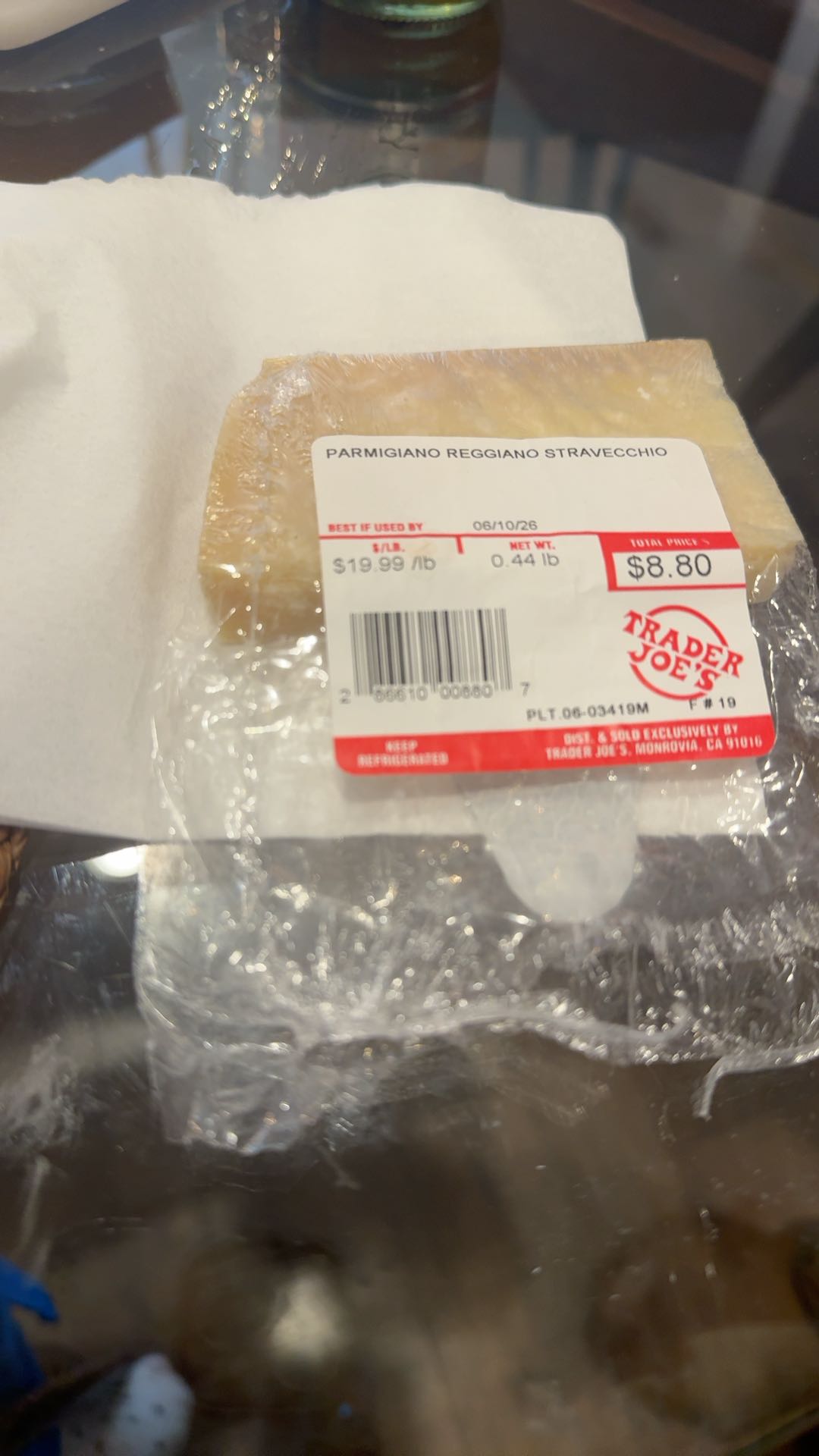
At a glance
Summary
This cheese product is made from a simple and traditional ingredient list consisting of milk, salt, and rennet, which aligns with traditional cheesemaking practices. Despite being classified as processed, it lacks harmful additives and maintains a clean label, allowing it to score well within its category. The processing level cap prevents it from reaching the highest scores, but its minimal ingredients and traditional preparation are strong positives.
Key ingredients 3
MilkGood
Whole dairy ingredient.
Risks
Some individuals may be lactose intolerant or allergic to milk proteins.
Benefits
Milk is a good source of calcium and protein, which are important for bone health and muscle maintenance.
RennetGood
Beneficial ingredient — whole-food or functional value in this product class.
Benefits
Rennet is crucial for the cheese-making process, allowing milk to form curds and whey.
SaltNeutral
Salt is used in cheese making to enhance flavor and act as a preservative. It is a common ingredient in processed foods. Excessive consumption of salt can lead to health issues such as hypertension.
Risks
High sodium intake is associated with increased risk of hypertension and cardiovascular diseases.
Benefits
Salt enhances flavor and acts as a preservative in cheese, contributing to its shelf life.
Processing
Processed Foods
Get the full breakdown in the Scout appTake Scout shopping
Scan any product to see lab results, healthy alternatives, and your personalized analysis.
Download on theApp Store GET IT ONGoogle Play