


At a glance
Summary
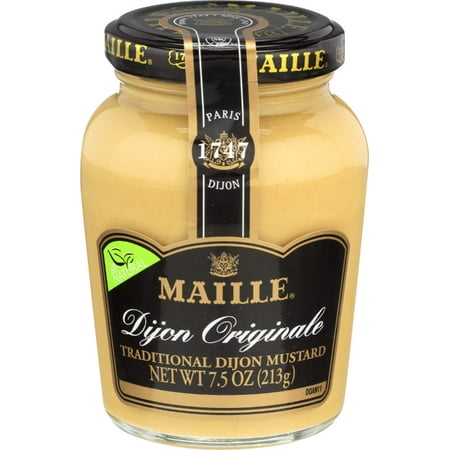
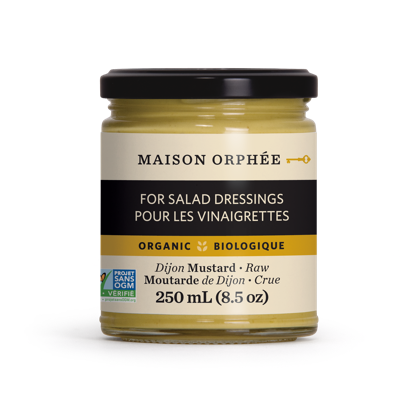
This Dijon mustard is a processed food with a relatively simple ingredient list, including water, custard, vinegar, and sea salt. The use of sea salt is a positive aspect due to its natural mineral content. However, the product's processing level limits its score, and the presence of vinegar and custard indicates moderate processing.
Key ingredients 4
Sea SaltGood
Sea salt is a minimally processed source of sodium and trace minerals. It enhances flavor and can contribute to electrolyte balance. Its natural mineral content is a positive aspect compared to refined salts.
Risks
High sodium intake can contribute to hypertension if consumed in excess.
Benefits
Provides essential minerals and supports hydration and nerve function.
WaterNeutral
Water is a neutral ingredient that serves as a base or solvent in many food products. It does not contribute any calories or nutrients. Its presence is essential for texture and consistency but does not impact health directly.
See more about Water →CustardNeutral
Custard is typically a mixture of milk, eggs, and sugar, but its exact composition here is unclear. It provides a creamy texture and flavor. Without specific details, its health impact is considered neutral.
Risks
Potential allergens such as eggs or dairy may be present.
Benefits
May provide some protein and calcium if dairy-based.
VinegarNeutral
Vinegar is a fermented product that adds acidity and flavor to foods. It is low in calories and can aid in preservation. Its health impact is generally neutral, though it may have minor digestive benefits.
Risks
Excessive consumption may lead to enamel erosion or digestive discomfort.
Benefits
May aid in digestion and has antimicrobial properties.
Processing
Processed Foods
Get the full breakdown in the Scout appTake Scout shopping
Scan any product to see lab results, healthy alternatives, and your personalized analysis.
Download on theApp Store GET IT ONGoogle Play