


At a glance
Summary
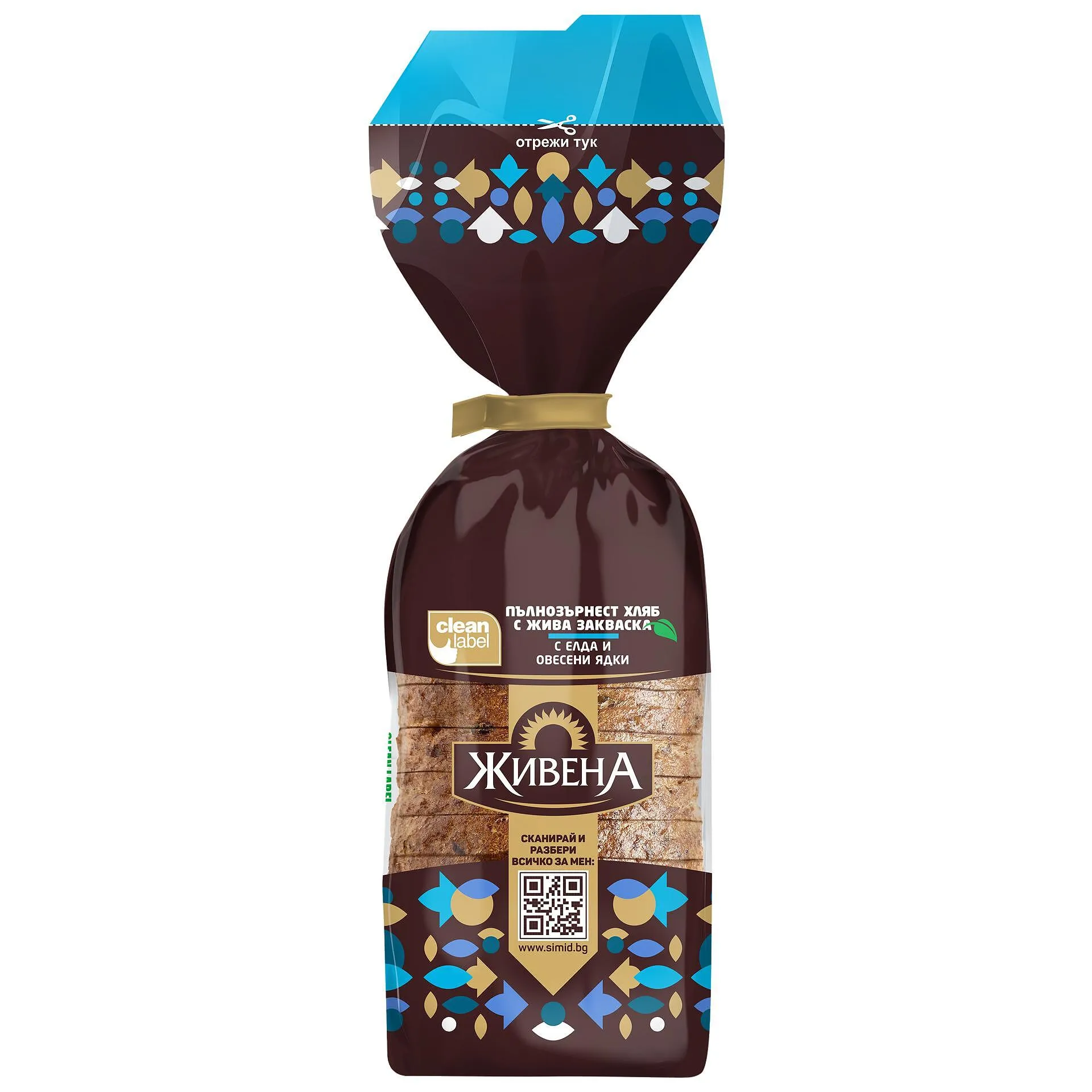
This whole grain bread contains beneficial ingredients like whole wheat flour and rye sourdough, which provide fiber and nutrients. However, it is moderately processed and contains salt, which should be consumed in moderation. The processing level limits its score, despite the presence of nutritious components.
Key ingredients 6
Whole Wheat FlourGood
Whole wheat flour is a nutritious ingredient providing essential fiber and nutrients. It is less processed than refined flour, retaining the bran and germ. This contributes to better digestive health and sustained energy levels.
Risks
May cause digestive issues for individuals with gluten sensitivity or celiac disease.
Benefits
Rich in dietary fiber, vitamins, and minerals, supporting heart health and digestion.
Rye SourdoughGood
Rye sourdough is a fermented ingredient that enhances flavor and digestibility. The fermentation process can improve nutrient absorption and gut health. It also contributes to the bread's unique taste and texture.
Risks
Contains gluten, which may not be suitable for those with gluten intolerance.
Benefits
Fermentation improves digestibility and may support gut health.
WaterNeutral
Water is a fundamental ingredient in bread-making, hydrating the flour and activating yeast. It is essential for dough formation and texture. There are no health concerns associated with water in this context.
Benefits
Essential for dough formation and hydration, contributing to the bread's texture.
YeastNeutral
Yeast is a leavening agent that helps bread rise, creating a light texture. It is a natural ingredient used in baking for centuries. There are no significant health concerns associated with yeast in moderate amounts.
Benefits
Contributes to the bread's rise and texture, enhancing its palatability.
SaltNeutral
Salt is used to enhance flavor and control yeast activity in bread. However, excessive salt intake can lead to health issues such as hypertension. It is important to consume salt in moderation.
Risks
High sodium intake is linked to increased blood pressure and cardiovascular risk.
Benefits
Enhances flavor and helps control yeast fermentation in bread.
Wheat FlourBad
Refined grain flour stripped of bran and germ.
Risks
Contains gluten, which can be problematic for those with celiac disease or gluten intolerance.
Benefits
Provides carbohydrates for energy but lacks the fiber and nutrients of whole grains.
Processing
Processed Foods
Get the full breakdown in the Scout appTake Scout shopping
Scan any product to see lab results, healthy alternatives, and your personalized analysis.
Download on theApp Store GET IT ONGoogle Play