
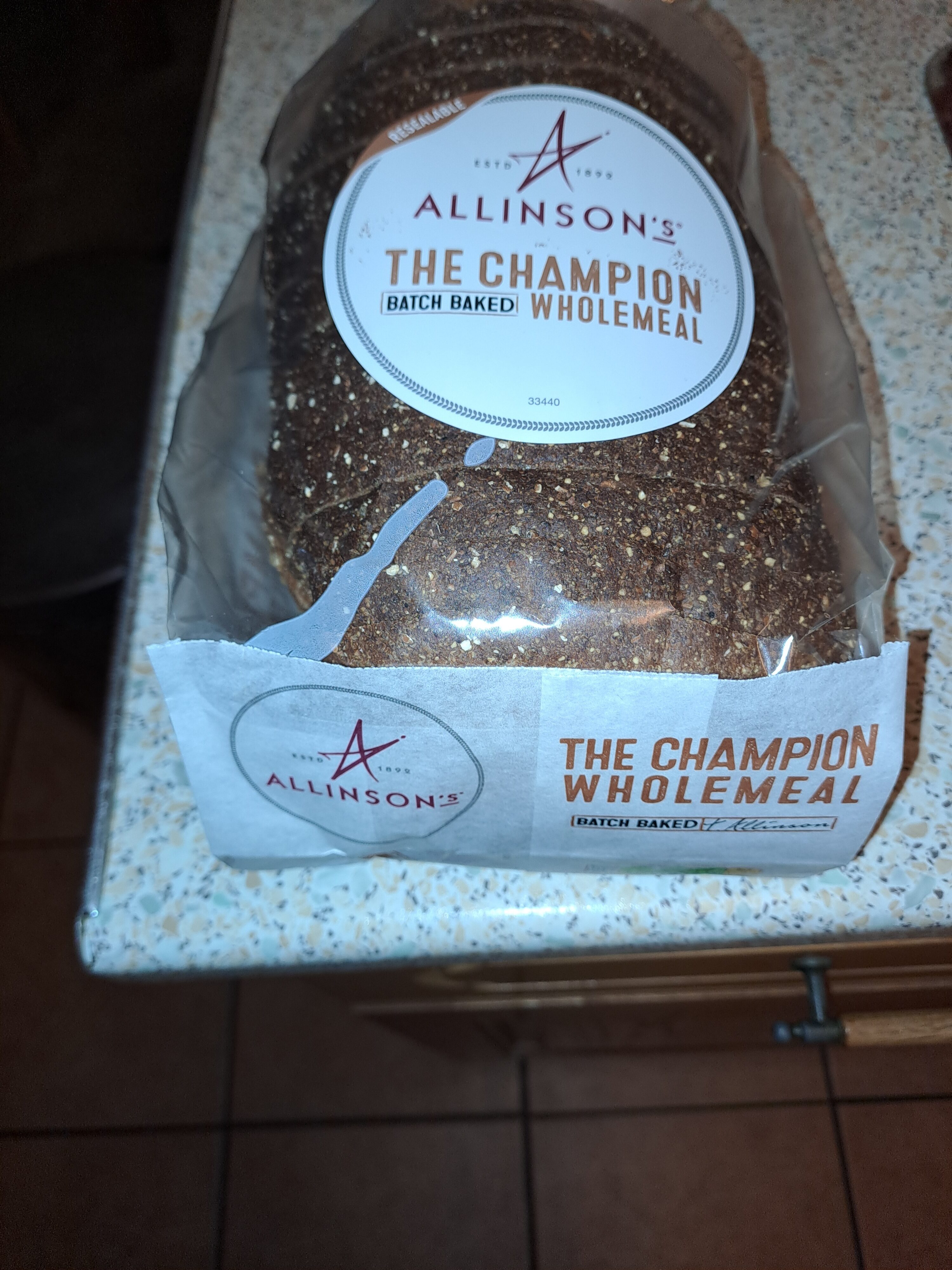


At a glance
Summary
This bread is made with wholemeal wheat flour, which is a nutritious whole grain ingredient, and includes beneficial components like oat bran and fermented wheat flour that enhance its nutritional profile. However, the presence of vegetable oils such as rapeseed and palm oil, which are high in omega-6 fatty acids and often processed with heat and chemicals, detracts from its healthiness. The product is moderately processed, which limits its score despite the overall clean ingredient list.
Key ingredients 13
Wholemeal Wheat FlourGood
Wholemeal wheat flour is a whole grain ingredient that retains all parts of the grain, providing fiber and nutrients. It is less processed than refined flour, maintaining more vitamins and minerals. This contributes to better digestive health and sustained energy levels.
Risks
May contain gluten, which can be problematic for individuals with celiac disease or gluten sensitivity.
Benefits
Rich in dietary fiber, which aids in digestion and helps maintain healthy blood sugar levels.
Fermented Wheat FlourGood
Fermented wheat flour is used to improve the flavor and digestibility of the bread. The fermentation process can increase the availability of nutrients and reduce antinutrients. It also contributes to a more complex flavor profile.
Risks
Contains gluten, which may be problematic for those with gluten-related disorders.
Benefits
Improves nutrient absorption and adds beneficial probiotics to the diet.
Oat BranGood
Oat bran is a high-fiber ingredient that supports digestive health and can help lower cholesterol levels. It is minimally processed and retains essential nutrients. Its inclusion in bread can enhance the nutritional profile by adding soluble fiber.
Risks
May cause digestive discomfort in some individuals if consumed in large amounts.
Benefits
Rich in soluble fiber, which can aid in lowering cholesterol and improving heart health.
Ascorbic AcidGood
Vitamin C — beneficial even when serving as a preservative.
Benefits
Improves dough quality and bread volume without significant nutritional impact.
WaterNeutral
Water is a neutral ingredient used as a solvent and to provide moisture in the product. It does not contribute any nutritional value but is essential for the dough formation. It is a basic and necessary component in bread making.
See more about Water →Wheat ProteinNeutral
Wheat protein is used to enhance the protein content of the bread. It is derived from wheat and provides essential amino acids. However, it may not be as complete as animal-based proteins.
Risks
Contains gluten, which can cause adverse reactions in individuals with gluten intolerance or celiac disease.
Benefits
Contributes to the protein content of the bread, supporting muscle maintenance and repair.
YeastNeutral
Baker's/nutritional yeast in standard use — benign.
Benefits
Enhances the texture and flavor of the bread while providing some B vitamins.
SaltNeutral
Salt is used to enhance flavor and control yeast activity in bread. It is a common ingredient in baking but does not provide significant nutritional benefits. Excessive consumption can lead to health issues such as hypertension.
Risks
High sodium intake can contribute to elevated blood pressure and cardiovascular issues.
Benefits
Enhances the flavor of the bread and helps regulate yeast fermentation.
Malted Barley FlourNeutral
Malted barley flour is used to enhance the flavor and color of bread. It contains enzymes that can help break down starches into sugars, aiding fermentation. It is not a significant source of nutrients but contributes to the bread's sensory qualities.
Risks
Contains gluten, which can be problematic for those with gluten intolerance.
Benefits
Enhances the flavor and color of the bread, contributing to a more appealing product.
VinegarNeutral
Vinegar is used as a natural preservative and to enhance flavor in bread. It can help extend shelf life by inhibiting mold growth. It is a common ingredient in baking with no significant nutritional impact.
Benefits
Acts as a natural preservative and enhances the flavor profile of the bread.
Molasses SugarNeutral
Molasses sugar is used to add sweetness and color to the bread. It is less refined than white sugar and retains some minerals. However, it is still a form of sugar and should be consumed in moderation.
Risks
Excessive consumption of sugars can lead to health issues such as obesity and dental cavities.
Benefits
Provides a richer flavor and some trace minerals compared to refined sugar.
Sustainable Soya FlourNeutral
Sustainable soya flour is used to enhance the protein content and improve the texture of bread. It is a plant-based protein source but may not provide a complete amino acid profile. The sustainability aspect indicates environmentally conscious sourcing.
Risks
May cause allergic reactions in individuals sensitive to soy.
Benefits
Contributes to the protein content and texture of the bread, with a focus on sustainable sourcing.
Vegetable OilsVery Bad
Vegetable oils, including rapeseed and sustainable palm, are high in omega-6 fatty acids, which can promote inflammation. They are often extracted using high heat and chemicals, which can degrade their nutritional quality. These oils are considered unhealthy due to their processing and fatty acid profile.
Risks
High omega-6 content may promote inflammation when consumed in excess.
Processing
Processed Foods
Get the full breakdown in the Scout appTake Scout shopping
Scan any product to see lab results, healthy alternatives, and your personalized analysis.
Download on theApp Store GET IT ONGoogle Play