
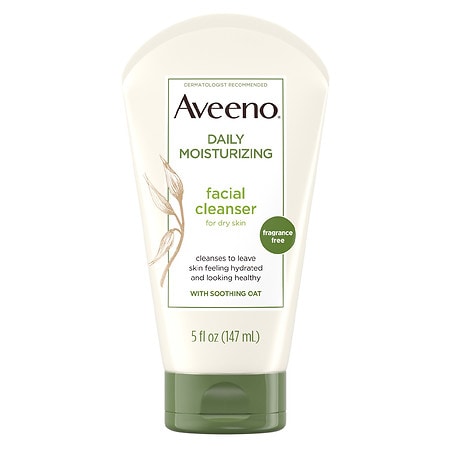

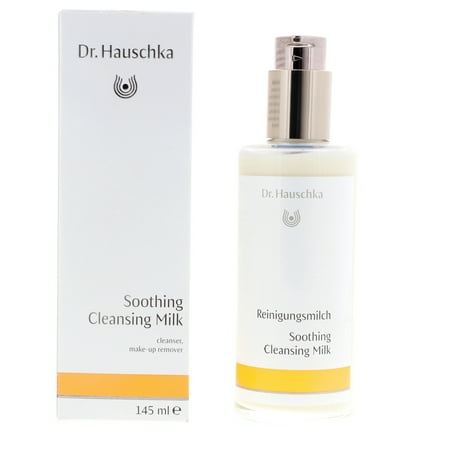
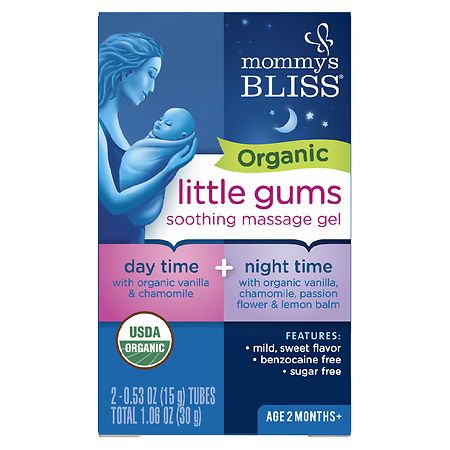

Aveeno Daily Moisturizing Facial Cleanser with Soothing Oat 5 fl. oz
Analysis updated September 2026 · How Scout scores
At a glance
Summary
This facial cleanser features a clean and minimal ingredient list with beneficial components like coco-glucoside, glycerin, and oat kernel flour, which are known for their gentle and moisturizing properties. The absence of harsh chemicals, synthetic fragrances, or controversial preservatives contributes to its high rating, making it suitable for sensitive skin and promoting a healthy skin barrier.
Key ingredients 9
Avena Sativa (Oat) Kernel FlourVery Good
Avena Sativa (Oat) Kernel Flour is known for its soothing and anti-inflammatory properties. It is often used to calm irritated skin and provide moisture. It is beneficial for sensitive and dry skin types.
Risks
There are no significant risks associated with oat kernel flour in cosmetics.
Benefits
It soothes and calms the skin, reducing redness and irritation.
Coco-GlucosideGood
Coco-Glucoside is a mild surfactant derived from coconut oil and glucose. It is used to gently cleanse the skin without stripping natural oils. It is considered safe and non-irritating for most skin types.
Risks
There are minimal risks, though very sensitive skin might experience mild irritation.
Benefits
It provides gentle cleansing and is biodegradable, making it environmentally friendly.
GlycerinGood
Glycerin is a humectant that attracts moisture to the skin, helping to keep it hydrated. It is widely used in skincare for its moisturizing properties. It is generally well-tolerated and beneficial for all skin types.
Risks
There are no significant risks associated with glycerin in cosmetics.
Benefits
It helps maintain skin hydration and improves skin barrier function.
Sodium Cocoyl GlutamateGood
Sodium Cocoyl Glutamate is a mild surfactant derived from coconut oil and glutamic acid. It is used for its gentle cleansing properties. It is considered safe and non-irritating for most skin types.
Risks
There are minimal risks, though very sensitive skin might experience mild irritation.
Benefits
It provides gentle cleansing and is biodegradable, making it environmentally friendly.
WaterNeutral
Water is a common solvent used in cosmetics to dissolve other ingredients. It helps in forming the base of the product. It does not provide any direct skin benefits or risks.
Risks
There are no significant risks associated with water in cosmetics.
Benefits
Water helps in the application and absorption of other beneficial ingredients.
Xanthan GumNeutral
Xanthan Gum is used as a thickening agent in cosmetics. It helps stabilize and improve the texture of the product. It does not provide any direct skin benefits or risks.
Risks
There are no significant risks associated with xanthan gum in cosmetics.
Benefits
It improves the texture and consistency of the product.
Citric AcidNeutral
Citric Acid is used to adjust the pH of cosmetic products. It can also provide mild exfoliation. It is generally safe in low concentrations.
Risks
In high concentrations, it may cause irritation, especially on sensitive skin.
Benefits
It helps maintain the stability and effectiveness of the product.
Sodium BenzoateBad
Synthetic preservative that can form benzene in the presence of vitamin C.
Risks
In rare cases, it may cause mild irritation or allergic reactions.
Benefits
It helps extend the shelf life of the product by preventing spoilage.
CarrageenanBad
Processed additive flagged under Scout's ingredient doctrine.
Risks
There are no significant risks associated with carrageenan in cosmetics.
Benefits
It improves the texture and stability of the product.
Get the full breakdown in the Scout appTake Scout shopping
Scan any product to see lab results, healthy alternatives, and your personalized analysis.
Download on theApp Store GET IT ONGoogle PlayAmazon pricing & content
Amazon price as of . Product prices and availability are accurate as of the date/time indicated and are subject to change. Any price and availability information displayed on Amazon.com at the time of purchase will apply to the purchase of this product.
CERTAIN CONTENT THAT APPEARS ON THIS SITE COMES FROM AMAZON. THIS CONTENT IS PROVIDED “AS IS” AND IS SUBJECT TO CHANGE OR REMOVAL AT ANY TIME.