
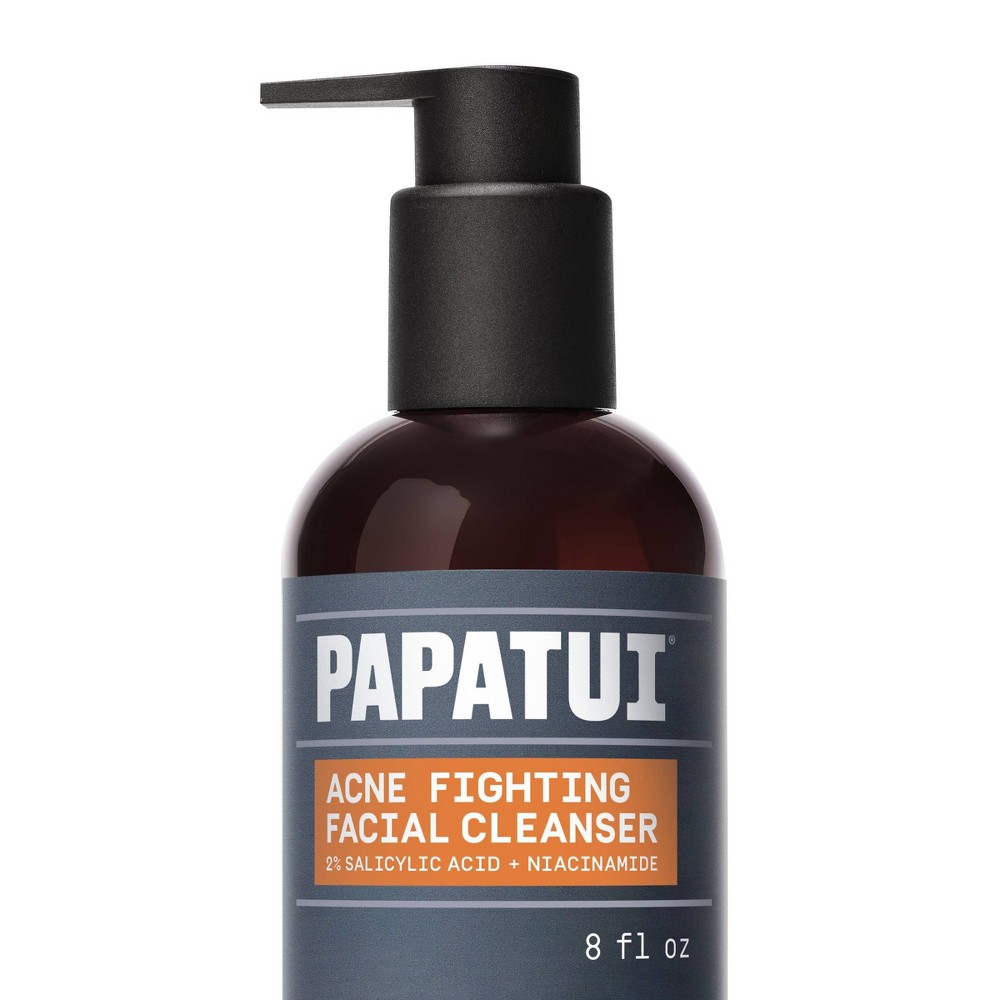

Papatui Acne Salicylic Acid & Niacinamide Daily Use Facial Cleanser - 8oz
Analysis updated August 2026 · How Scout scores
At a glance
Summary
This facial cleanser contains beneficial ingredients such as niacinamide, salicylic acid, and hyaluronic acid, which are known for their skin-soothing, exfoliating, and hydrating properties. The product avoids harsh surfactants like SLS and SLES, and instead uses milder cleansing agents, contributing to its gentle formulation. The presence of natural extracts and antioxidants further enhances its skin-friendly profile, making it a well-balanced choice for daily use.
Key ingredients 19
Salicylic AcidVery Good
Salicylic Acid is a beta hydroxy acid (BHA) known for its exfoliating properties. It penetrates pores to clear out excess oil and dead skin cells. It is effective in treating acne and improving skin texture.
Risks
May cause dryness or irritation if overused.
Benefits
Helps unclog pores, reduce acne, and improve skin clarity.
GlycerinGood
Glycerin is a humectant that attracts moisture to the skin. It helps maintain skin hydration and improves skin barrier function. It is well-tolerated by most skin types.
Risks
There are minimal risks, though it can be sticky if used in high concentrations.
Benefits
Glycerin helps keep the skin moisturized and soft.
NiacinamideGood
Niacinamide is a form of Vitamin B3 that offers multiple skin benefits. It helps improve skin tone, reduce redness, and strengthen the skin barrier. It is well-tolerated by most skin types.
Risks
Minimal risks, though high concentrations may cause irritation.
Benefits
Improves skin texture, reduces inflammation, and enhances barrier function.
Hyaluronic AcidGood
Hyaluronic Acid is a powerful humectant that attracts and retains moisture in the skin. It helps keep the skin hydrated and plump. It is suitable for all skin types and is non-irritating.
Benefits
Enhances skin hydration and reduces the appearance of fine lines.
Salix Alba Bark ExtractGood
Salix Alba Bark Extract is derived from willow bark and contains salicin, a natural source of salicylic acid. It has anti-inflammatory and exfoliating properties. It is beneficial for acne-prone skin.
Risks
Minimal risk of irritation.
Benefits
Provides natural exfoliation and helps reduce inflammation.
TocopherolGood
Tocopherol, also known as Vitamin E, is an antioxidant that helps protect the skin from free radical damage. It supports skin health and improves moisture retention. It is well-tolerated by most skin types.
Risks
Minimal risk of irritation.
Benefits
Provides antioxidant protection and enhances skin hydration.
WaterNeutral
Water is a common solvent used in cosmetic formulations. It helps dissolve other ingredients and provides a base for the product. It does not have any active benefits or risks.
Risks
There are no known risks associated with water in cosmetic products.
Benefits
Water helps in the application and spreadability of the product.
Cocamidopropyl BetaineNeutral
Cocamidopropyl Betaine is a mild surfactant derived from coconut oil. It helps in cleansing the skin by removing dirt and oil. It is generally considered safe for use in cosmetics.
Risks
It may cause irritation in some individuals with sensitive skin.
Benefits
It provides gentle cleansing without stripping the skin's natural oils.
Cocamidopropyl HydroxysultaineNeutral
Cocamidopropyl Hydroxysultaine is a surfactant and foam booster. It enhances the texture and feel of the product. It is derived from coconut oil and is considered mild.
Risks
Potential for mild irritation in sensitive individuals.
Benefits
Improves the foaming and cleansing properties of the cleanser.
Disodium CocoamphodiacetateNeutral
Disodium Cocoamphodiacetate is a mild surfactant used for its cleansing properties. It is derived from coconut oil and is gentle on the skin. It is often used in products for sensitive skin.
Risks
Generally considered safe with low irritation potential.
Benefits
Provides gentle cleansing suitable for sensitive skin.
Sodium Lauroyl Methyl IsethionateNeutral
Sodium Lauroyl Methyl Isethionate is a mild surfactant used for its cleansing properties. It is derived from coconut oil and is gentle on the skin. It is often used in sulfate-free formulations.
Risks
Generally considered safe with low irritation potential.
Benefits
Provides gentle cleansing without harshness.
Sodium Methyl Cocoyl TaurateNeutral
Sodium Methyl Cocoyl Taurate is a mild surfactant that helps cleanse the skin. It is derived from coconut oil and is known for its gentle properties. It is suitable for sensitive skin formulations.
Risks
Low risk of irritation.
Benefits
Offers mild cleansing suitable for sensitive skin.
EthylhexylglycerinNeutral
Ethylhexylglycerin is a skin conditioning agent and preservative enhancer. It helps improve the efficacy of preservatives in the formulation. It is generally considered safe for use in cosmetics.
Risks
Low risk of irritation.
Benefits
Enhances the preservation and conditioning properties of the product.
Sodium LevulinateNeutral
Sodium Levulinate is a preservative derived from levulinic acid. It helps prevent microbial growth in cosmetic products. It is considered safe for use in cosmetics.
Risks
Minimal risk of irritation.
Benefits
Contributes to the preservation and stability of the product.
Rhodomyrtus Tomentosa Fruit ExtractNeutral
Rhodomyrtus Tomentosa Fruit Extract is a botanical ingredient with antioxidant properties. It helps protect the skin from environmental damage. It is considered safe for use in cosmetics.
Risks
Low risk of irritation.
Benefits
Provides antioxidant benefits and helps protect the skin.
Citric AcidNeutral
Citric Acid is used to adjust the pH of cosmetic formulations. It helps maintain the stability and efficacy of the product. It is generally considered safe for use in cosmetics.
Risks
May cause irritation if used in high concentrations.
Benefits
Helps maintain the desired pH level of the product.
PropanediolNeutral
Propanediol is a glycol used as a solvent and skin conditioning agent. It helps improve the texture and feel of the product. It is generally considered safe for use in cosmetics.
Risks
Low risk of irritation.
Benefits
Enhances the texture and application of the product.
Sodium BenzoateBad
Synthetic preservative that can form benzene in the presence of vitamin C.
Risks
May cause irritation in sensitive individuals if used in high concentrations.
Benefits
Helps preserve the product and extend its shelf life.
Potassium SorbateBad
Synthetic preservative — flagged in daily-use products.
Risks
Potential for mild irritation in sensitive individuals.
Benefits
Extends the shelf life of the product by preventing microbial growth.
Get the full breakdown in the Scout appTake Scout shopping
Scan any product to see lab results, healthy alternatives, and your personalized analysis.
Download on theApp Store GET IT ONGoogle PlayAmazon pricing & content
Amazon price as of . Product prices and availability are accurate as of the date/time indicated and are subject to change. Any price and availability information displayed on Amazon.com at the time of purchase will apply to the purchase of this product.
CERTAIN CONTENT THAT APPEARS ON THIS SITE COMES FROM AMAZON. THIS CONTENT IS PROVIDED “AS IS” AND IS SUBJECT TO CHANGE OR REMOVAL AT ANY TIME.