
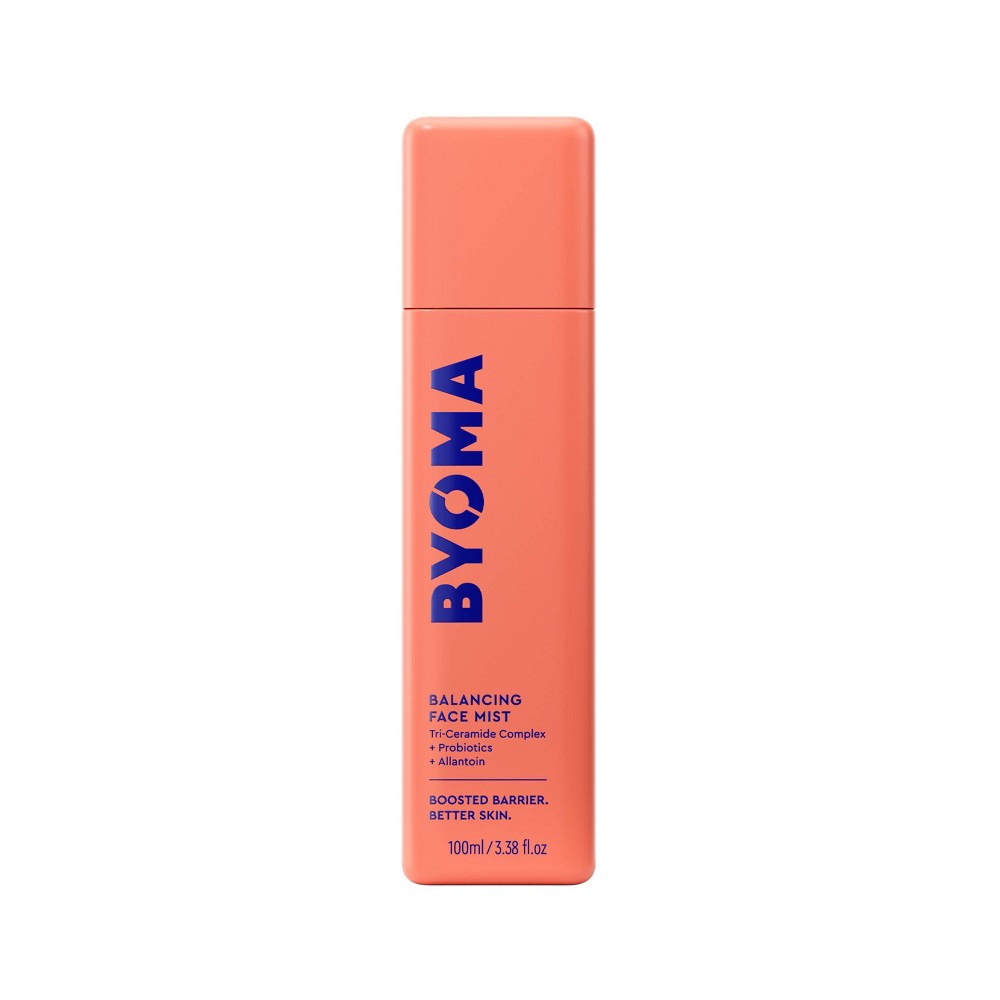

BYOMA Balancing Face Mist - 3.38 fl oz
Analysis updated August 2026 · How Scout scores
At a glance
Summary
This face mist contains a range of beneficial ingredients such as glycerin, ceramide NP, and panthenol, which are known for their hydrating and skin barrier-supporting properties. The inclusion of probiotics like lactobacillus ferment and bifida ferment filtrate further enhances the product's ability to soothe and balance the skin. The formulation is free from harsh chemicals and synthetic fragrances, making it a safe and effective choice for sensitive skin.
Key ingredients 23
PanthenolVery Good
Panthenol, also known as provitamin B5, is a humectant that attracts moisture to the skin. It has anti-inflammatory properties and helps to improve skin hydration and elasticity. It is highly beneficial for dry and sensitive skin.
Risks
There are minimal risks, though it may cause irritation in very sensitive skin types.
Benefits
Panthenol helps to hydrate and soothe the skin, enhancing its softness and resilience.
GlycerinGood
Glycerin is a well-known humectant that attracts moisture to the skin, making it an excellent hydrating agent. It is derived from natural sources and is safe for most skin types. It is widely used in skincare for its moisturizing properties.
Risks
There are minimal risks associated with glycerin, though it may cause irritation if used in very high concentrations.
Benefits
Glycerin helps to maintain the skin's moisture balance and improves skin barrier function.
Ceramide NPGood
Ceramide NP is a lipid that naturally occurs in the skin and is crucial for maintaining the skin barrier. It helps to lock in moisture and protect against environmental damage. It is highly beneficial for dry and sensitive skin types.
Risks
There are no significant risks associated with ceramides.
Benefits
Ceramide NP strengthens the skin barrier and improves hydration, reducing dryness and irritation.
CholesterolGood
Cholesterol is a lipid that supports the skin's natural barrier function. It works synergistically with ceramides and fatty acids to enhance skin hydration and elasticity. It is beneficial for maintaining healthy skin.
Risks
There are minimal risks, though it may not be suitable for very oily skin types.
Benefits
Cholesterol helps to improve skin barrier function and retains moisture, promoting smoother and more resilient skin.
PhytosphingosineGood
Phytosphingosine is a lipid that helps to restore the skin's natural barrier and has anti-inflammatory properties. It is effective in reducing redness and irritation. It is beneficial for sensitive and acne-prone skin.
Risks
There are minimal risks, though it may cause irritation if used in high concentrations.
Benefits
Phytosphingosine helps to calm the skin and improve its barrier function, reducing the appearance of redness and irritation.
Lactobacillus FermentGood
Lactobacillus Ferment is a probiotic ingredient that helps to balance the skin's microbiome. It has soothing and anti-inflammatory properties, making it beneficial for sensitive skin. It supports healthy skin function and resilience.
Risks
There are minimal risks associated with this ingredient.
Benefits
Lactobacillus Ferment helps to maintain a healthy skin microbiome and reduces inflammation, promoting a balanced and calm complexion.
Bifida Ferment FiltrateGood
Bifida Ferment Filtrate is a probiotic ingredient that enhances the skin's natural repair processes. It helps to strengthen the skin barrier and improve resilience against environmental stressors. It is beneficial for sensitive and aging skin.
Risks
There are minimal risks, though it may cause irritation in very sensitive individuals.
Benefits
Bifida Ferment Filtrate supports skin repair and strengthens the barrier, reducing sensitivity and improving overall skin health.
AllantoinGood
Allantoin is a skin-soothing agent that helps to calm irritation and promote healing. It is beneficial for sensitive and irritated skin, providing a protective barrier. It is widely used in skincare for its calming properties.
Risks
There are minimal risks associated with allantoin.
Benefits
Allantoin helps to soothe and protect the skin, reducing irritation and promoting a healthy complexion.
AquaNeutral
Aqua, or water, is a common solvent used in cosmetic formulations. It helps dissolve other ingredients and provides a base for the product. It is generally considered safe and non-irritating.
Risks
There are no significant risks associated with water in cosmetics.
Benefits
Water is essential for hydrating the skin and acts as a carrier for other beneficial ingredients.
Butylene GlycolNeutral
Butylene Glycol is a common humectant that helps retain moisture in the skin. It also improves the texture and spreadability of the product. It is generally considered safe for use in cosmetics.
Risks
In rare cases, it may cause irritation or allergic reactions in sensitive individuals.
Benefits
It helps to keep the skin hydrated and enhances the absorption of other ingredients.
PropanediolNeutral
Propanediol is a glycol that acts as a solvent and humectant in cosmetic formulations. It enhances the absorption of ingredients and provides a smooth application. It is generally considered safe and non-irritating.
Risks
It may cause mild irritation in sensitive skin types.
Benefits
Propanediol helps to improve skin hydration and enhances the texture of the product.
SorbitolNeutral
Sorbitol is a sugar alcohol used as a humectant and thickener in cosmetics. It helps to retain moisture in the skin and improves the texture of the product. It is considered safe for use in skincare.
Risks
There are minimal risks, though it may cause irritation in very sensitive individuals.
Benefits
Sorbitol helps to keep the skin hydrated and enhances the product's consistency.
Stearic AcidNeutral
Stearic Acid is a fatty acid used as an emulsifier and thickener in cosmetics. It helps to stabilize formulations and improve texture. It is generally considered safe for use in skincare products.
Risks
There are minimal risks, though it may cause irritation in very sensitive skin types.
Benefits
Stearic Acid helps to improve the texture and stability of cosmetic formulations.
Caprylyl GlycolNeutral
Caprylyl Glycol is a humectant and skin conditioning agent that helps to retain moisture. It also has antimicrobial properties that enhance product preservation. It is generally considered safe for use in cosmetics.
Risks
There are minimal risks, though it may cause irritation in very sensitive skin types.
Benefits
Caprylyl Glycol helps to keep the skin hydrated and supports the preservation of the product.
Oleic AcidNeutral
Oleic Acid is a fatty acid that acts as an emollient and helps to improve the texture of skincare products. It is found in many natural oils and is beneficial for dry skin. It is generally considered safe for use in cosmetics.
Risks
It may cause breakouts in acne-prone skin due to its comedogenic nature.
Benefits
Oleic Acid helps to soften and smooth the skin, improving its texture and hydration.
Caprylic/Capric TriglycerideNeutral
Caprylic/Capric Triglyceride is an emollient derived from coconut oil and glycerin. It helps to improve the spreadability of products and provides a lightweight, non-greasy feel. It is generally considered safe for use in cosmetics.
Risks
There are minimal risks, though it may cause irritation in very sensitive skin types.
Benefits
Caprylic/Capric Triglyceride helps to moisturize and condition the skin, enhancing the texture of the product.
Hydrogenated LecithinNeutral
Hydrogenated Lecithin is an emulsifier that helps to stabilize cosmetic formulations. It also has moisturizing properties and enhances the delivery of active ingredients. It is generally considered safe for use in skincare.
Risks
There are minimal risks, though it may cause irritation in very sensitive skin types.
Benefits
Hydrogenated Lecithin helps to improve the texture and stability of products, while also providing moisturizing benefits.
Lactic AcidNeutral
Standard formulation ingredient — neither beneficial nor harmful at typical use.
Risks
It may cause irritation or sensitivity, especially in high concentrations or with frequent use.
Benefits
Lactic Acid helps to exfoliate and brighten the skin, improving its overall appearance and texture.
BetaineNeutral
Betaine is a natural osmolyte that helps to maintain skin hydration and protect against environmental stress. It is derived from sugar beets and is known for its moisturizing properties. It is generally considered safe for use in cosmetics.
Risks
There are minimal risks, though it may cause irritation in very sensitive skin types.
Benefits
Betaine helps to hydrate and protect the skin, enhancing its resilience and moisture retention.
HydroxyethylcelluloseNeutral
Hydroxyethylcellulose is a thickening agent used to improve the texture and stability of cosmetic formulations. It helps to create a smooth and even application. It is generally considered safe for use in skincare products.
Risks
There are minimal risks, though it may cause irritation in very sensitive skin types.
Benefits
Hydroxyethylcellulose helps to improve the texture and consistency of products, ensuring a smooth application.
HydroxyacetophenoneNeutral
Hydroxyacetophenone is an antioxidant and preservative used to enhance the stability of cosmetic formulations. It helps to protect the product from degradation and extend its shelf life. It is generally considered safe for use in cosmetics.
Risks
There are minimal risks, though it may cause irritation in very sensitive skin types.
Benefits
Hydroxyacetophenone helps to protect the product from oxidation and maintain its efficacy over time.
1,2-HexanediolNeutral
1,2-Hexanediol is a solvent and preservative used to enhance the stability and efficacy of cosmetic formulations. It helps to improve the texture and spreadability of products. It is generally considered safe for use in skincare.
Risks
There are minimal risks, though it may cause irritation in very sensitive skin types.
Benefits
1,2-Hexanediol helps to preserve the product and improve its texture, ensuring a smooth application.
Caprylhydroxamic AcidNeutral
Caprylhydroxamic Acid is a chelating agent and preservative used to enhance the stability of cosmetic formulations. It helps to prevent microbial growth and extend the product's shelf life. It is generally considered safe for use in cosmetics.
Risks
There are minimal risks, though it may cause irritation in very sensitive skin types.
Benefits
Caprylhydroxamic Acid helps to preserve the product and maintain its efficacy, ensuring a longer shelf life.
Get the full breakdown in the Scout appTake Scout shopping
Scan any product to see lab results, healthy alternatives, and your personalized analysis.
Download on theApp Store GET IT ONGoogle PlayAmazon pricing & content
Amazon price as of . Product prices and availability are accurate as of the date/time indicated and are subject to change. Any price and availability information displayed on Amazon.com at the time of purchase will apply to the purchase of this product.
CERTAIN CONTENT THAT APPEARS ON THIS SITE COMES FROM AMAZON. THIS CONTENT IS PROVIDED “AS IS” AND IS SUBJECT TO CHANGE OR REMOVAL AT ANY TIME.