
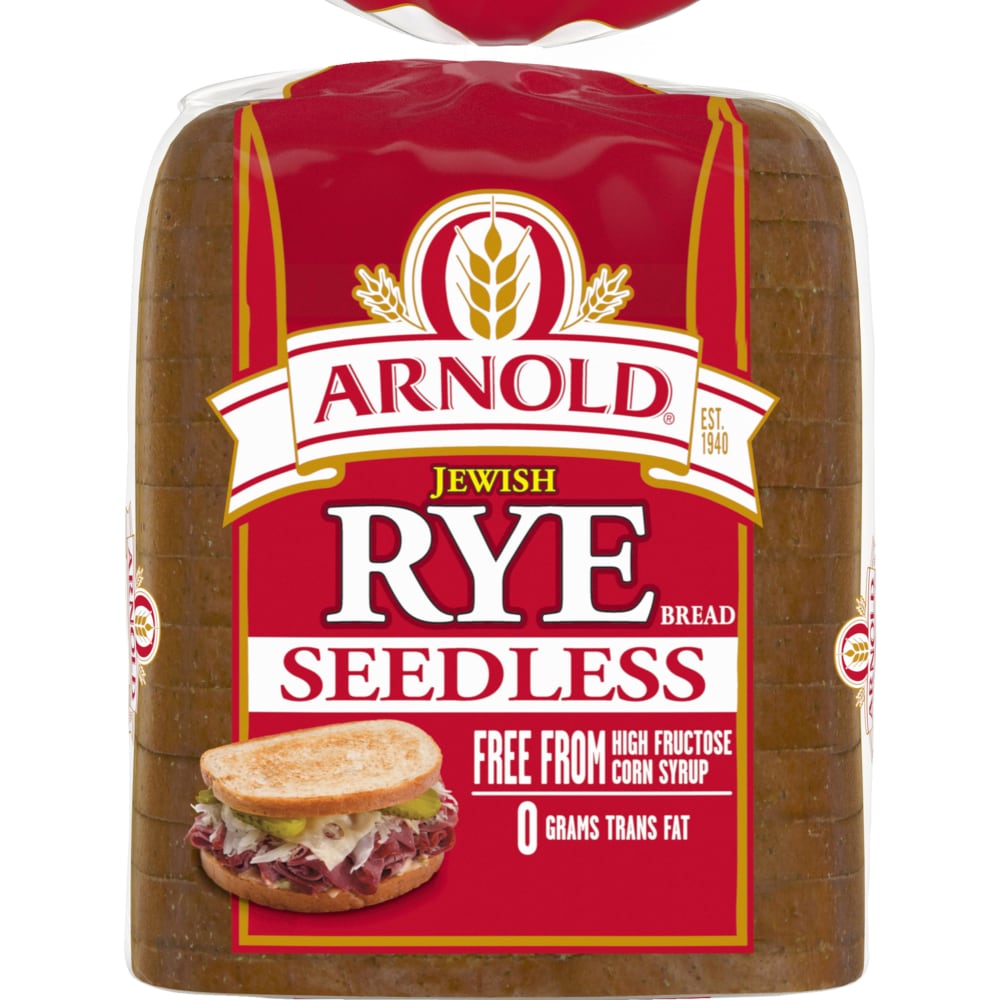


Seedless Rye Bread
Summary
This seedless rye bread is moderately processed, containing ingredients like wheat flour, sourdough, and barley malt extract. While it avoids harmful additives such as artificial colors or seed oils, the presence of a baking agent and its processed nature limit its score. The bread's ingredient list is relatively clean, but the processing level prevents it from achieving a higher rating.
At a glance
Key ingredients 8
Wheat FlourNeutral
Wheat flour is a staple ingredient in bread, providing structure and texture. It is a refined carbohydrate, which can lead to rapid spikes in blood sugar levels. The processing removes most of the fiber and nutrients found in whole grains.
Risks
May contribute to blood sugar spikes and is a common allergen for those with gluten sensitivity.
Benefits
Provides energy and is a versatile ingredient in baking.
WaterNeutral
Water is a fundamental ingredient in bread making, hydrating the flour and activating yeast. It is essential for the dough formation and texture. Water itself does not provide any nutritional value.
Benefits
Essential for hydration and dough consistency.
SourdoughNeutral
Sourdough is a natural leavening agent that can improve the flavor and texture of bread. It involves fermentation, which can enhance nutrient absorption. However, it does not significantly alter the nutritional profile of the bread.
Benefits
May improve digestion and nutrient absorption due to fermentation.
Wheat SemolinaNeutral
Wheat semolina is a coarser grind of wheat that adds texture to bread. It is similar to wheat flour in nutritional content but provides a different texture. It is a refined grain, lacking the fiber of whole grains.
Risks
May contribute to blood sugar spikes and is a common allergen for those with gluten sensitivity.
Benefits
Adds texture and structure to baked goods.
Liquid YeastNeutral
Liquid yeast is used as a leavening agent to help the dough rise. It is a natural ingredient that contributes to the fermentation process. Yeast itself does not provide significant nutritional benefits.
Benefits
Essential for fermentation and dough rising.
Barley Malt ExtractNeutral
Barley malt extract is used to enhance flavor and color in bread. It is a natural sweetener derived from barley. While it adds flavor, it does not provide significant nutritional benefits.
Risks
Contains gluten, which may be a concern for those with celiac disease or gluten sensitivity.
Benefits
Enhances flavor and color of baked goods.
SaltNeutral
Salt is used to enhance flavor and control yeast activity in bread. It is a common culinary ingredient with no significant nutritional benefits. Excessive consumption can lead to health issues like hypertension.
Risks
High sodium intake can contribute to hypertension and cardiovascular issues.
Benefits
Enhances flavor and helps control yeast fermentation.
Baking AgentNeutral
Baking agents are used to improve the texture and volume of bread. They are typically neutral in terms of health impact. The specific type of baking agent used is not specified, which limits detailed analysis.
Benefits
Improves texture and volume of baked goods.
Processing
Processed Foods
Get the full breakdown in the Scout app
Scan any product to see lab results, healthy alternatives, and your personalized analysis.
Download on theApp Store