



At a glance
Summary
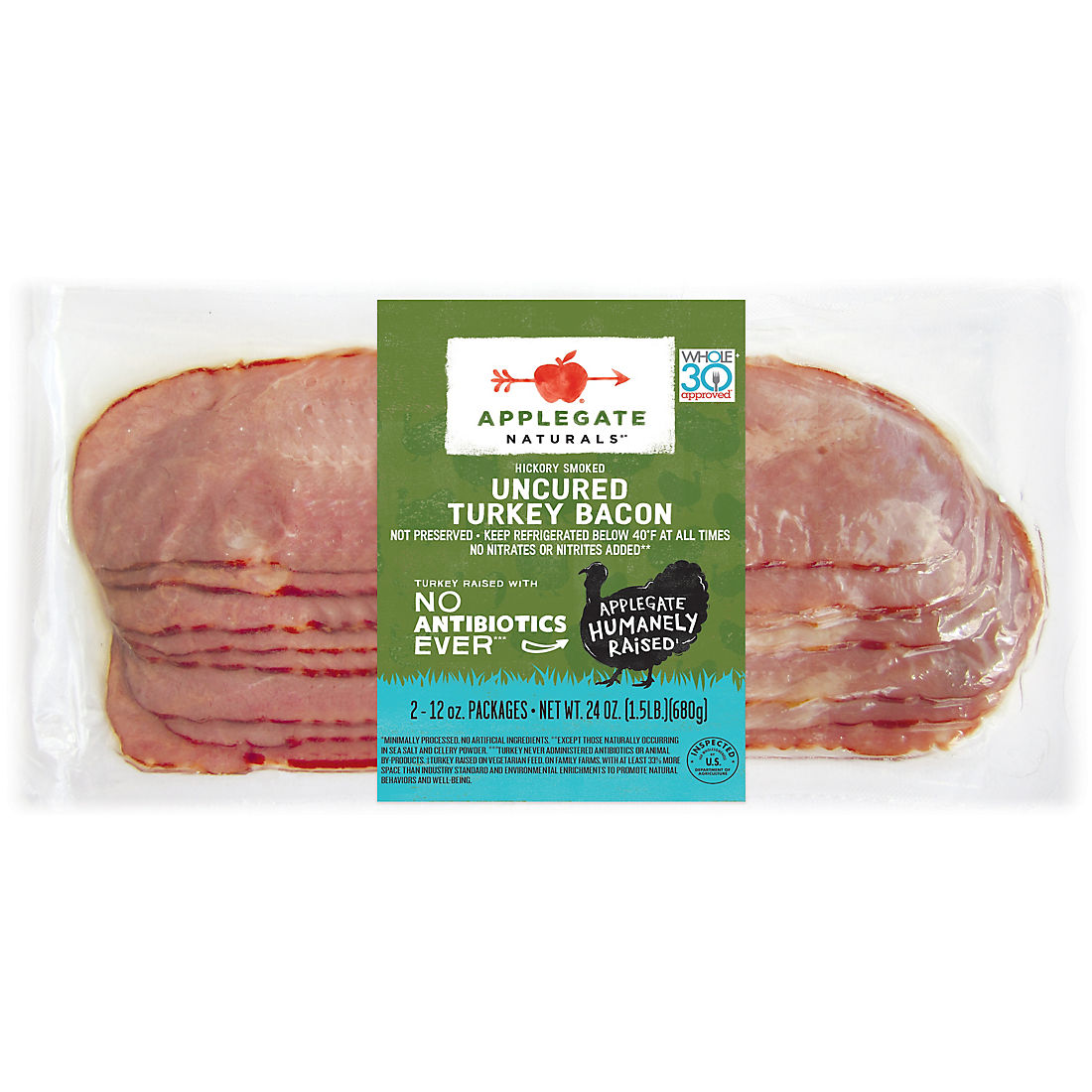
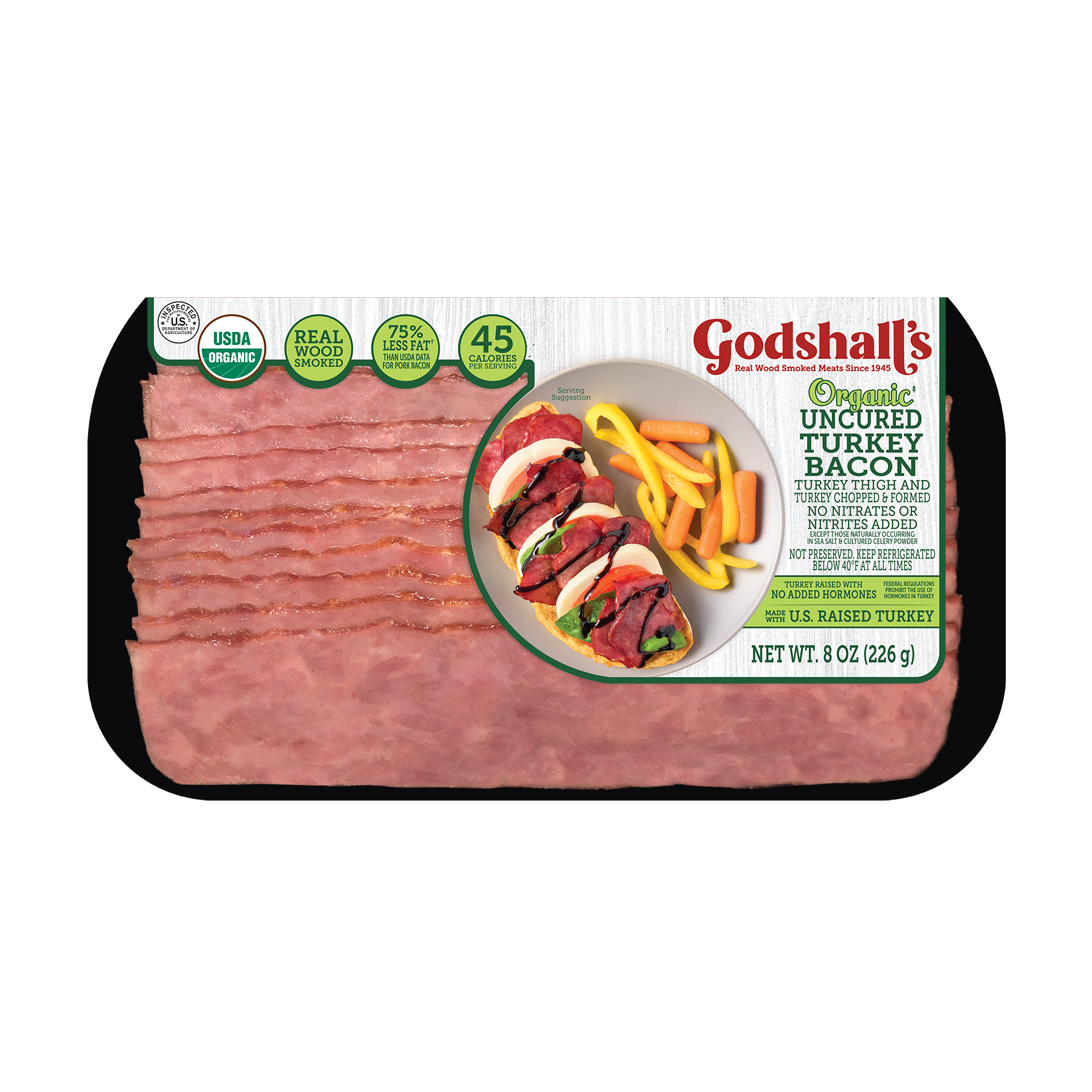
This turkey bacon is a processed food with a relatively clean ingredient list, featuring turkey dark meat as the primary component, which is a good source of protein. However, the addition of sugar and the processing level limit its health benefits. The presence of sugar contributes empty calories, which can be detrimental to health if consumed in excess.
Key ingredients 6
Turkey Dark MeatGood
Turkey dark meat is a good source of protein and essential nutrients. It provides a richer flavor and higher fat content compared to white meat, which can be beneficial for satiety. The quality of the meat depends on the sourcing and processing methods.
Benefits
Rich in protein and essential nutrients like iron and zinc, supporting muscle maintenance and overall health.
WaterNeutral
Water is used as a processing aid and does not contribute significant nutritional value. It helps maintain moisture in the product. There are no health concerns associated with water in this context.
See more about Water →SaltNeutral
Salt is used for flavor enhancement and preservation. It is a common ingredient in processed foods. While necessary for bodily functions, excessive intake can lead to health issues.
Risks
High sodium intake can contribute to hypertension and cardiovascular diseases.
Benefits
Provides essential sodium needed for various bodily functions.
VinegarNeutral
Vinegar is used for flavor and as a preservative. It is a natural ingredient with minimal processing. It can add a tangy flavor to foods.
Benefits
May have antimicrobial properties and can enhance flavor without adding calories.
Cultured Celery PowderNeutral
Cultured celery powder is used as a natural preservative due to its nitrate content. It is derived from celery and sea salt, providing a natural alternative to synthetic preservatives. The nitrates can convert to nitrites, which are used for curing meats.
Risks
Excessive consumption of nitrates and nitrites may pose health risks, including potential links to cancer.
Benefits
Acts as a natural preservative, helping to extend the shelf life of the product.
SugarBad
Sugar is added for flavor but contributes empty calories with no essential nutrients. Excessive consumption of sugar can lead to health issues such as obesity and diabetes. It is often used in processed foods to enhance taste.
Risks
High intake of sugar can increase the risk of obesity, type 2 diabetes, and dental cavities.
Processing
Processed Foods
Get the full breakdown in the Scout appTake Scout shopping
Scan any product to see lab results, healthy alternatives, and your personalized analysis.
Download on theApp Store GET IT ONGoogle Play